Fukuoka is an inviting place to begin a Kyushu journey, but it deserves more than an arrival night. A bowl of ramen at a tiny counter, a canal boat gliding beneath a low bridge, a shrine shaded by old trees, and a harbor lined with historic buildings reveal different sides of the same prefecture. The pleasure comes from moving between them without trying to make every day a race.
Fukuoka City makes a convenient base for first visits. Beyond it, Dazaifu brings shrines and museum collections, Yanagawa offers waterways and eel restaurants, Itoshima opens toward the sea, and Kitakyushu adds castle and port history. Tea and craft traditions reward a slower journey south to Yame. Choose two or three of these outings around several city evenings, or stay longer and give each region its own day.
Getting oriented: airports, stations and useful bases
Start by distinguishing Fukuoka Prefecture from Fukuoka City. Hakata is the city’s main intercity rail hub; Tenjin is another central district, with shopping, dining and Nishitetsu railway connections. They are different starting points, so a hotel described as central may still require a transfer for your preferred day trip. The prefecture’s transport overview is useful for understanding the wider network before comparing individual journeys.
Fukuoka Airport is unusually close to the city, but terminal details matter. The subway station serves the domestic terminal. International arrivals connecting to the subway use the free terminal shuttle first, so do not calculate a door-to-door arrival using the subway ride alone. Consult the airport’s first-time visitor guidance, then allow time for immigration, bags and the terminal transfer.
Stay near Hakata for onward JR travel, or near Tenjin if shopping, evening dining and Nishitetsu outings dominate your plans. Kokura is a useful alternative base for exploring northern Fukuoka. A car is unnecessary for a city break, though it can help with scattered rural destinations. Compare actual daily fares before buying a pass: JR, Nishitetsu, subway and buses are not automatically covered by the same ticket.
Walk through Hakata’s older neighborhoods
Begin a city day with a walk rather than a sequence of train rides. Hakata’s older streets offer shrines, small shops and pauses that make the modern station district feel less anonymous. Pick a modest walking area, leave time to browse, and resist filling the morning with every temple name on a map. This is also a good first activity after a long journey, when complicated reservations are less appealing.
Kushida Shrine provides an introduction to Hakata’s festival culture. It is closely associated with Hakata Gion Yamakasa, and a decorative festival float is normally displayed outside June. A visit during the July festival period is a different experience from a quiet weekday: check the current program, expect crowds, and follow directions around active routes. During ordinary visits, keep worship areas clear and avoid treating people praying as photographic subjects.
Ohori Park: space to slow down
For a gentler afternoon, head to Ohori Park. Its large pond, island paths and approximately two-kilometer perimeter create an easy framework for a walk. You need not complete a circuit to enjoy it. Choose a short waterside section, sit for a while, and leave room for a museum or garden rather than counting the park as a quick photo stop.
The separate Ohori Park Japanese Garden offers a more composed landscape than the open paths around the pond. Check its own admission and opening arrangements; access to the surrounding park does not mean every attraction inside it is open. Nearby castle remains also reward walkers, but set expectations for ruins and stonework rather than an intact castle keep. This part of town works especially well as a flexible day between longer excursions.
How to enjoy a yatai evening
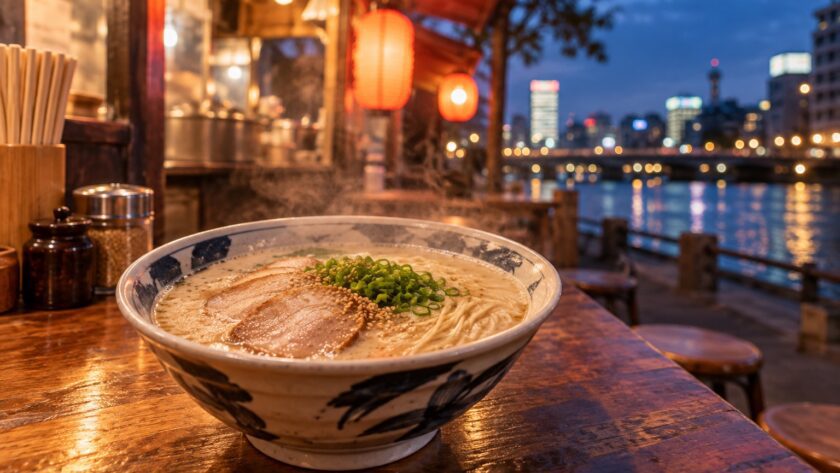
Fukuoka’s yatai are compact food stalls where the counter is part dining room, part shared evening space. Look beyond the idea that every stall serves identical ramen: menus can include skewers, dumplings and other dishes. Choose by the displayed menu and atmosphere, and ask about prices before ordering anything unclear. Keep an indoor restaurant as a backup if a particular stall is closed or the weather makes outdoor dining uncomfortable.
The city’s official yatai etiquette guide emphasizes considerate use of limited space. Leave large bags at your accommodation, make room for other diners, and order rather than occupying a seat for a long conversation. Friendly exchanges are part of the appeal, but other guests may prefer privacy. Ask before taking close photographs of the cook or your neighbors.
For a first visit, aim for one enjoyable stop rather than an ambitious tasting circuit. Arrive with a small appetite, enough time to wait, and a simple ordering plan. If traveling with children or anyone who needs a spacious seat, check suitability before joining a queue. A good evening does not depend on finding the single most famous stall; a comfortable counter and clear menu matter more.
Eat beyond the first bowl of ramen
Tonkotsu ramen, with pork-bone broth and thin noodles, is an obvious starting point. Yet udon belongs on the itinerary too. Fukuoka’s udon tradition often favors softer noodles, offering a different texture and a gentler meal between richer dishes. The city’s ramen and udon introduction helps explain why both matter. Try them on separate days rather than comparing two large bowls in one sitting.
Other local meals include motsunabe, a hotpot featuring offal, and gomasaba, mackerel with sesame seasoning. The city’s food and activity guide is a useful starting point for exploring these options. Read descriptions carefully if an ingredient is unfamiliar, and ask how a particular dish is prepared. Vegetable toppings do not establish that a broth is vegetarian. Travelers with dietary requirements will have an easier time selecting suitable restaurants in advance than negotiating every meal at a busy counter.
Dazaifu: shrine grounds and a wider historical story
Dazaifu suits a full, unhurried day. Travel out in the morning, walk the approach to the shrine, and keep the afternoon for the museum or a longer stroll. It can be tempting to combine Dazaifu with another major outing simply because both appear south of central Fukuoka on a map. Doing so leaves less time for the places that make the trip worthwhile.
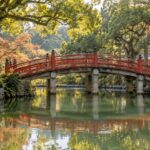
At Dazaifu Tenmangu, the grounds include arched bridges, mature trees, smaller shrines and the sanctuary dedicated to Tenjin, associated with scholarship. Notice the ox statues and allow time for umegaemochi, the local sweet sold around the approach. Use the shrine’s current visitor information for access arrangements. Older articles and photographs may show temporary structures from renovation periods, so they should not be treated as a guarantee of today’s layout.
The nearby Kyushu National Museum places Japanese history within exchanges with other cultures, especially Asia. It adds context to a day that could otherwise become only a shrine visit and shopping street. Check the exhibition schedule and closure calendar before choosing your date. If you want to use the museum’s multilingual smartphone guidance, bring earphones and a charged phone. Leave yourself enough attention for the galleries rather than arriving just before closing.
Yanagawa: canals, low bridges and an eel lunch
Yanagawa offers a different pace from the city. Its canal boat excursions use low, open boats guided along the waterways. This is a relaxed sightseeing experience, not a whitewater activity. Routes and departure arrangements differ between operators, so confirm the boarding point and where you finish before paying. Plan how to reach your next stop from the landing place rather than assuming every trip returns to its starting point.
Build the rest of the visit around a walk and lunch. Unagi seiro-mushi, steamed eel over rice, is a distinctive local choice. The prefecture’s Yanagawa planning guide also explains that canal maintenance can alter routes, including a drainage period around February. Check your operator’s current notice. In warm weather, take sun protection; in cooler months, ask about seasonal boat arrangements rather than assuming every departure offers the same comfort.
Keep Yanagawa separate from a rushed Dazaifu museum day if possible. The boat ride has its own timetable, lunch can take longer than expected, and the waterways are best appreciated without watching the clock. Save the operator’s location in advance, especially if arriving from Nishitetsu Yanagawa Station by a local connection.
For a combined outing with practical train transfers, boat return transport, ticket rules and a realistic schedule, read our Dazaifu and Yanagawa car-free day trip guide. It also explains when separate days are the better choice.
Itoshima: choose a coastal outing that fits the weather
Itoshima draws visitors west of the city toward beaches, coastal scenery and places to stop for food. Sakurai Futamigaura is known for its white torii and paired offshore rocks tied with a sacred rope. The much-photographed sunset alignment between the rocks is seasonal, associated with the summer solstice; it is not an everyday promise. Enjoy the shore as it appears during your visit, and respect its religious significance.
Scenery that looks close together online can require substantial travel between stops. Select one coastal area, check outbound and return buses, and only add another place if the connection works. A rental car provides flexibility, but parking and weekend traffic still consume time. Cyclists can consult the prefecture’s Itoshima route introduction and choose a manageable section appropriate to their fitness. Wind and road conditions matter more than an attractive line on a map.
Swap this day with an indoor city or museum day if the forecast deteriorates. Avoid making the last bus or a sunset photograph the only successful ending to the outing. Keeping the plan adjustable is particularly valuable when you have only one coastal day available.
Kitakyushu: Kokura Castle and Mojiko’s waterfront
Kitakyushu deserves its own place in a prefecture itinerary. Start in Kokura if you want castle history and an urban walk. Kokura Castle has a reconstructed keep, rebuilt in 1959, rather than an original surviving tower. Its exhibitions and upper-level views make the interior worthwhile for visitors interested in the area’s story. Check current opening information before coordinating it with another attraction.
Continue to Mojiko Retro for a harbor setting shaped by the area’s trading history. The district brings historic buildings, waterfront walks and opportunities to try baked curry. Use Mojiko Station for this outing: Moji Station is a different stop. Give the waterfront time beyond a quick station photograph, choosing one building to enter and leaving an unscheduled stretch for the harbor.
A Kokura-and-Mojiko day is a practical pairing, but adding every Kanmon Strait attraction can make it crowded. If the pedestrian tunnel or a boat trip is important to you, study the official district guide and the connecting transport first. These are additional activities, not automatic extensions of the station forecourt. An overnight stay in northern Fukuoka can be more satisfying than returning late simply to keep the same hotel throughout the trip.
Yame: tea, craft and a quieter southern detour
For a day with fewer city landmarks, consider Yame. Its tea culture rewards attention to preparation and taste, not just a photograph of green fields. The prefecture’s Yame tea guide introduces visits and experiences, including activities that depend on the season. Reserve any workshop you particularly want, and confirm its meeting point, language support and transport before committing to the journey.
The area’s craft and tea traditions provide another reason to linger. Combine a tea stop with the older merchant streets around Yame Fukushima and a craft visit instead of trying to cover the whole countryside. Rural attractions are more dispersed than central Fukuoka’s. Tea fields are working agricultural land, so photograph from permitted places and never step between rows without an invitation. Buying tea or a small handmade object offers a more useful connection than collecting views alone.
Munakata: visit the accessible heritage sites
Travelers interested in maritime history and sacred places can look toward Munakata. Start with the mainland Hetsumiya precinct of Munakata Taisha and interpretive facilities. The heritage area’s official visiting information makes a crucial distinction: Okinoshima is closed to general visitors. A World Heritage listing does not mean it is an island you can book as an ordinary sightseeing excursion.
Oshima is a different island, with accessible heritage locations including Nakatsumiya and the distant worship site associated with Okinoshima. Treat an island visit as a separate plan requiring current ferry information and a weather check. If your schedule is short, the mainland can provide a meaningful introduction without adding the uncertainty of a sea crossing. Do not confuse the two island names when researching tickets.
Make the days comfortable, not just possible
When choosing accommodation, compare the walk from the actual station exit to the entrance, not just the name of the neighborhood. A room beside your most-used line can be more useful than a slightly cheaper room that requires a daily change. If you travel with large luggage, check whether your hotel can store it before check-in and after checkout. This makes a short first or final day much easier to use.
Set a realistic daily budget by separating the essentials from optional experiences. Transport, ordinary meals and a room are the foundation; boat rides, museum admission, workshops and special dinners add another layer. Confirm the price and cancellation terms of anything you reserve. Keeping one meal simple creates room for a memorable tea experience or a longer lunch without turning every decision into a cost comparison.
Think about physical comfort as carefully as distance. A route with several short walks can still be tiring if it includes stairs, crowds and standing in restaurant queues. Travelers who need step-free access should ask attractions and operators directly about the complete route, including boarding a boat or reaching a particular gallery. A landmark’s popularity does not tell you whether all parts of it are equally accessible.
Finally, decide which experience matters most each day and protect time for it. If that is a museum collection, shorten the shopping stop; if it is a canal ride, choose lunch nearby rather than chasing a famous restaurant across town. Save essential addresses and reservation details offline, carry a small power bank, and leave enough flexibility to change plans without losing the whole day.
A flexible five-day first visit
On day one, settle into Fukuoka City, walk Hakata’s older streets and choose a simple evening meal. Day two can focus on Dazaifu and the Kyushu National Museum. On day three, take the Yanagawa outing, returning without a tightly timed dinner reservation. Give day four to Kokura and Mojiko, or move your hotel north if that fits your onward journey.
Use day five for Itoshima when conditions are favorable, keeping Ohori Park and city galleries as alternatives. With extra time, add Yame or Munakata rather than squeezing them into the existing days. This is a suggested structure, not a fixed tour: museum closing days, boat operations and your accommodation may make a different order more sensible.
For a shorter three-day visit, keep one city day and choose two contrasting excursions. For a longer stay, protect a few open evenings and avoid booking a major meal after every day trip. Before departure, recheck operator notices, venue calendars and the last useful connection back to your base. Fukuoka becomes more rewarding when its convenient gateway role gives way to time spent along its waterways, at its counters and in its quieter towns.
Editorial note: Official sources were checked on October 11, 2026. Operating arrangements, transport schedules and access conditions may change; follow the linked official guidance when planning. The featured image is an AI-generated illustration inspired by Fukuoka’s yatai food culture, not a photograph of a specific restaurant or meal.