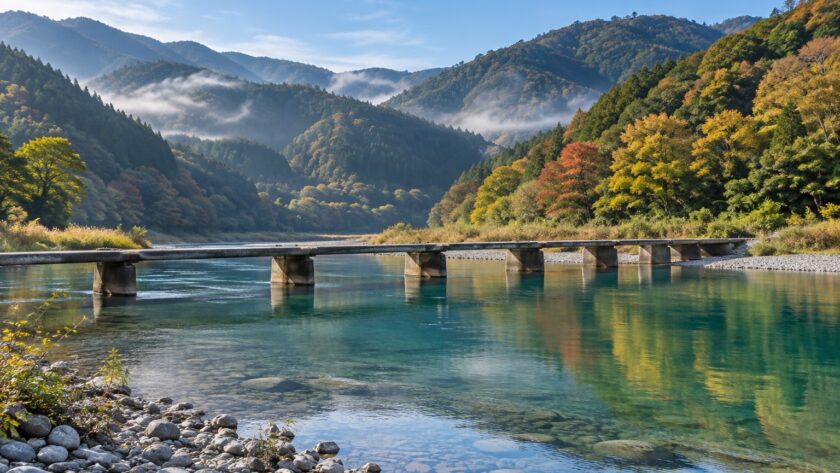
Kochi faces the Pacific with a character all its own: lively market tables in the capital, wooded valleys where the water changes from green to blue, and coastal headlands that encourage you to stop watching the clock. A visit can combine a surviving castle, botanical gardens, regional food, and time beside the Shimanto River. The challenge is choosing how far to travel. Kochi stretches across southern Shikoku, and its best-known rivers and capes are not all close to the city.
For a first trip, spend two nights in Kochi City and then choose a direction. The Niyodo area suits a focused excursion into the valleys, while the Shimanto and Ashizuri area deserves additional nights in the west. Muroto provides a different journey eastward along the coast. Four or five days give you a satisfying introduction; a week creates room for one of the longer extensions without turning each morning into a transfer.
Arriving in Kochi and Choosing a Base
The prefecture’s beginner’s guide explains the main access options, including flights to Kochi Ryoma Airport and Limited Express Nanpu trains from Okayama. Compare the entire journey from your previous stop, including the airport transfer or railway connection. A flight can make sense from a distant city, while rail allows you to connect Kochi with other parts of Shikoku. Check current departure times before arranging a tightly timed activity on arrival.
For a first stay, look for accommodation convenient for both dinner and your onward transport. The area around the central shopping streets suits evenings on foot; a location near Kochi Station can simplify an early train departure. These advantages are not identical, so read the map rather than relying on a hotel’s description of being central. Ask whether luggage can be stored before check-in if you plan to visit the castle immediately.
A rental car is useful for linking scattered rural attractions, but it is not essential for enjoying the city. Consider collecting one only when leaving for the countryside. Mountain roads may be narrow, and a short distance on the map can take longer than expected. Travelers without a car can choose a railway-accessible town, a guided river excursion, or accommodation with a confirmed pickup instead of trying to reproduce a driving itinerary.
Kochi Castle and a Walk through the Center
Kochi Castle is the natural starting point for understanding the capital. The approach rises through gates and stone defenses to historic wooden buildings, with views back across the modern city. Give the route some attention before entering the keep: the turns, changes in level, and relationship between the gates show how the compound controlled movement. The attraction is as much the surviving architecture as the panorama at the top.
Wear shoes suited to stone steps and allow time for the interior stairs. A visit involves more physical effort than looking at the tower from the park below. If anyone in your group has limited mobility, ask which areas are accessible before purchasing admission. Carry a small bag, leave room for people coming down narrow stairs, and keep your camera away while climbing. The grounds and paid interiors may have different access arrangements.
Afterward, walk toward the shopping streets and choose a lunch stop rather than immediately leaving the city. Keeping the castle and central market area together makes a relaxed half day. If your arrival is late, reverse the plan: enjoy dinner first and visit the castle the following morning. This avoids spending the last admission period watching the time instead of the buildings.
Hirome Market, Bonito, and the Sunday Stalls
Hirome Market brings multiple food vendors around communal tables. It is useful when several people want different dishes, and an easy place to sample Kochi cooking without committing to a long restaurant meal. Walk through before ordering so you understand the seating and collection system. Buy food and drinks inside the market; its guidance asks visitors not to bring refreshments from outside.
Katsuo no tataki, lightly seared bonito, is a signature choice. The official listing for Myojinmaru’s Hirome stall describes the intense flame used in preparation. Seared fish can remain raw in the center, so ask for a different dish if you need fully cooked food. Compare accompaniments and seasoning, and order a manageable portion before adding more. Market opening hours do not mean every stall follows the same schedule.
If your stay includes Sunday, leave the morning for the Sunday Market near the castle. This long-running street market mixes produce, snacks, plants, and household goods. Bring small cash and a reusable bag, keep the walkway clear while eating, and ask before photographing a vendor closely. Come for an ordinary shopping culture as well as lunch: seasonal vegetables and practical tools explain something different about Kochi from a souvenir counter.
Godaisan: Plants, Pilgrims, and a Slower Afternoon
The Makino Botanical Garden honors Kochi-born botanist Tomitaro Makino. Paths, planted landscapes, a greenhouse, and exhibitions make it a place to spend time rather than check off quickly. Look for information about local plants as well as showier species. The changing seasons affect what is in flower, but the relationship between observation, illustration, and botanical research gives the visit interest beyond a single bloom.
Nearby Chikurin-ji Temple is temple 31 of the Shikoku pilgrimage. Moss, maples, and a pagoda frame a working religious site, where visitors and pilgrims share the same paths. Keep voices low near worship, follow photography signs, and avoid standing in front of people praying. Garden and treasure displays have their own visiting arrangements. Temple-led cultural experiences require checking availability rather than assuming they run continuously.
The MY-YU sightseeing bus connects Kochi Station with Godaisan attractions and Katsurahama. Read the service calendar and choose a ticket covering your intended journey. Seats are not reserved, and a full vehicle can affect your plans. Save the return timetable before getting off. Combining the garden and temple is straightforward in concept, but adding the coast calls for enough time at each stop and attention to the last useful departure.
Katsurahama and the Pacific Coast
Katsurahama is a scenic coastal visit, with pines, a curved beach, and a statue of Sakamoto Ryoma looking toward the ocean. The nearby memorial museum offers a way to learn more about the historical figure behind the familiar image. Decide whether your priority is the shoreline, the museum, or simply a meal with sea air; each choice changes how long you should allow.
Swimming at Katsurahama is prohibited because of powerful waves and currents. Enjoy the view from appropriate paths and keep well back from breaking water, particularly when conditions are rough. An attractive shoreline is not automatically a bathing beach. For a family outing, set expectations before arrival so children understand that this stop is for scenery and walking. If bad weather removes the pleasure of being outside, move the coastal visit instead of forcing it into the schedule.
The Niyodo Area: Choose One Gorge Carefully
The phrase Niyodo Blue describes a landscape spread across a river system, not a single attraction beside a railway platform. Nikobuchi is a waterfall basin reached by a descent from the road, including stairs. Light and weather change its appearance, so do not expect the exact color of a promotional image. Local residents regard the pool as sacred, and swimming is prohibited. Visit quietly, stay on the access route, and wear shoes with reliable grip.
Nakatsu Gorge offers a different experience: a walk among large rocks, pools, small crossings, and a waterfall. It suits visitors who want movement through the landscape rather than one viewpoint. Take time to notice the stone figures along the route, but watch your footing while looking around. Wet surfaces, steps, and uneven sections mean that a short walk should not be confused with a fully accessible paved promenade.
Choose your main destination before arranging transport. Two places described as being in the Niyodo area can require a substantial journey between them. Confirm the actual trail entrance and the return connection, especially when relying on buses. A guided outing can simplify access and provide interpretation. After heavy rain, check local information and accept a changed plan; water clarity and safe access are more important than collecting every famous photograph.
Ino: Meet the Craft behind Tosa Paper
The Ino-cho Paper Museum introduces the materials, tools, and history of Tosa papermaking. It also offers hands-on paper experiences, making Ino a useful choice for travelers who prefer craft to a remote gorge. The town can be reached by rail or tram from Kochi, with a further walk to the museum. Check its closure day and workshop arrangements before setting off.
Leave enough time to look at the displays before trying the activity. Understanding the fibers and process makes a handmade sheet more meaningful than a quick souvenir. Ask how finished work will be dried or collected, particularly if you are leaving town that afternoon. Keep paper purchases flat and protected in your luggage. Ino can serve as a focused half-day excursion without pretending that reaching the town also puts you beside every upstream river viewpoint.
Shimanto: Stay for the River, Not Just a Bridge
For the western river region, use Nakamura as a practical starting point and consider staying overnight. The official regional excursion guide describes rail access, accommodation, and river activities. You can visit from the capital, but an overnight gives you more freedom to take a bicycle ride or join a boat outing without placing every decision around the return train. Choose accommodation according to the activity meeting point as well as the station.
Sada Chinkabashi is one of the river’s characteristic low bridges. These crossings have no side rails, a design associated with coping with rising water. The simplicity of the structure places the river and hills at the center of the view. Treat it as a real crossing rather than a photo platform: remain attentive, leave space for others, and do not approach an edge for a dramatic pose.
The tourism board’s Shimanto cycling guide recommends getting off your bicycle and walking across the narrow bridges. Choose a route that fits your experience and rental return time. Check bicycle condition, helmet availability, and assistance arrangements before leaving. A riverside road can still carry traffic, so stop in suitable places for photographs. Carry water and identify a turnaround point that allows an unhurried return before daylight fades.
For paddling or a boat trip, reserve through an operator and confirm the meeting location, clothing, age requirements, and cancellation arrangements. Do not infer that calm-looking water is suitable for an independent swim. River conditions can change with rain upstream, even when your immediate surroundings look pleasant. A flexible second day makes it easier to adjust to conditions and leaves time for a meal, a village walk, or simply watching the water from shore.
Ashizuri: A Western Extension with Time to Spare
Cape Ashizuri combines ocean views, a lighthouse, coastal vegetation, and Kongofuku-ji, temple 38 of the Shikoku pilgrimage. It is a worthwhile extension when you are already exploring western Kochi. Give the peninsula its own accommodation or transport plan rather than treating it as an automatic addition after a full river day. Coastal paths and temple grounds reward a slower pace than a single viewpoint stop.
Check attractions individually in the wider Tatsukushi area. At the time of this guide’s source check, the official listing marked the Ashizuri Underwater Observation Tower as temporarily closed from May 1, 2026. Do not build an itinerary around entering it without a confirmed reopening. Boat excursions also depend on conditions. Keep an alternative ready and distinguish a particular facility closure from access to the whole region.
Muroto: Choose the Eastern Coast as a Separate Journey
If geology and exposed coastlines appeal more than a western river stay, consider Muroto instead. The Muroto Global Geopark Center introduces the landscape and offers information about guided visits. Starting there helps turn striking rocks into a story about the formation and continuing change of the coast. Ask about current walking conditions and language availability when arranging a guide.
The geopark’s official introduction describes coastal formations, pilgrimage connections, and regional food. Plan a walk around the cape with time to read interpretation, then choose a nearby cultural or dining stop. Do not try to combine Muroto and Ashizuri in one sightseeing day merely because both are coastal. They represent different ends of the prefecture, and the journey between them would dominate the experience.
Practical Choices for a Comfortable Trip
Build your daily budget around the activities that matter most. A city day with walking and public transport has different costs from a rural day involving a guide, rental car, or taxi. Ask what an activity price includes before booking: equipment, transfers, meals, and insurance may be handled separately. For accommodation outside town, compare a room-only rate with a dinner-inclusive plan. A cheaper room can become inconvenient if the nearest evening meal is a substantial journey away.
Pack for the transitions within the trip. Shoes comfortable on city streets should also provide grip on damp stone if you plan to visit a gorge. A compact rain layer, refillable water bottle, and small day bag are useful when switching between transport and walking. Keep a dry change of clothing for an organized water activity, following the operator’s own packing list. Leave large luggage at your accommodation when possible, and ask about storage rather than assuming every rural station has available lockers.
Save your accommodation address, activity meeting point, and essential transport details offline. In a small town, a hotel name in Japanese can make a conversation with a driver easier. Confirm dinner and breakfast times when staying at a rural inn, and tell your host if a delayed connection affects arrival. A slower journey works best when the fixed parts are clear: reserve the experience you most want, then leave surrounding hours open for lunch, scenery, and changes in weather.
Yuzu, Yosakoi, and a Flexible Five-Day Plan
Yuzu appears in Kochi drinks, condiments, sweets, and countryside-style sushi. Try a few preparations to understand how its aroma changes a meal. Vegetable-topped sushi is worth seeking out, but travelers avoiding animal ingredients should still ask about stock and seasoning. Packaged juice or condiments can make convenient gifts; check storage instructions and transport restrictions before choosing bottles for a long onward journey.
The Kochi Yosakoi Museum introduces the dance culture associated with the city’s August festival. It offers context for the costumes, wooden clappers, and creative choreography even outside festival season. Check which experiences are available on your date. If the live festival is your main reason for visiting, verify the coming year’s program and book accommodation early rather than relying on an old schedule.
For five days, devote the first two to the castle, markets, Godaisan, and an optional Katsurahama visit. Use day three for Ino or one Niyodo outing. Spend days four and five around the Shimanto, returning with enough time for your onward connection. Extend the trip for Ashizuri, or replace the western section with Muroto. Keep one weather-dependent activity flexible. Kochi is most rewarding when a river, a shared meal, or an unexpected conversation has room to become the highlight.
Editorial note: Official sources were checked on October 11, 2026. Transport, activity availability, opening hours, closures, and river conditions can change; consult the linked organizations before travel. The featured image is an AI-generated illustration inspired by the Shimanto River landscape, not a documentary photograph of a specific bridge.