Yamanashi rewards travelers who look beyond a single photograph of Mount Fuji. Lakeside mornings give way to kimono galleries, wooded shrine approaches, vineyard lunches and a river gorge framed by pale granite. Farther north, the landscape rises toward the Yatsugatake highlands; farther south, temple buildings occupy a steep mountainside at Minobu. These places belong to the same prefecture, but they call for different kinds of days.
The most satisfying first visit combines the Fuji Five Lakes with the Kofu Basin. Spend time around Kawaguchiko for mountain views and cultural stops, then move to Kofu or Isawa Onsen for Shosenkyo and the vineyards of Katsunuma. Four days provide a useful introduction. With only two, choose one area and let the weather shape your sightseeing instead of crossing the prefecture repeatedly.
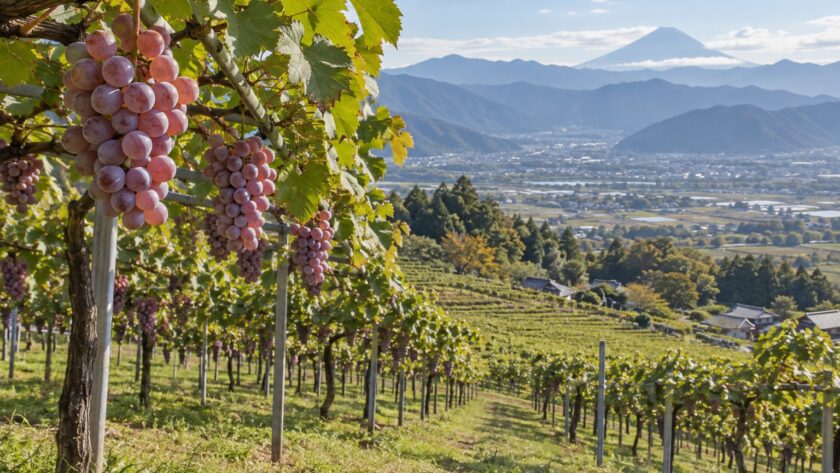
Information checked October 10, 2026. Transport schedules, opening calendars and mountain access can change; use the official links before traveling. The featured image is an AI-generated, photo-style illustration inspired by a Katsunuma vineyard, not a photograph of an exact real location.
Choose Your Base Before Filling the Itinerary
Kawaguchiko is the straightforward choice for a first encounter with the Fuji Five Lakes. The prefecture’s Lake Kawaguchiko guide introduces its mix of accommodation, museums, hot springs and lake activities. Staying overnight creates another opportunity to see Fuji if your arrival afternoon is cloudy. It also lets you enjoy the shoreline before organizing a longer outing.
Check your hotel’s actual position, rather than assuming every Kawaguchiko address is near the station. A scenic northern shore property may require a bus, taxi or arranged pickup. For an early departure, that detail matters more than the room’s map distance from the lake. Ask about luggage storage and the last practical connection before booking a dinner plan.
Kofu makes a useful second base for travelers who value rail access and flexible evenings. Isawa Onsen suits those who want their accommodation to be part of the experience. Avoid changing hotels every night unless the next move clearly saves travel. Two nights in one area often give you more freedom than a string of short stays with repeated packing and check-in deadlines.
Getting There and Moving Between Areas
From Tokyo, distinguish the rail route toward Kofu from the route toward Kawaguchiko. JR East’s Azusa and Kaiji information covers services on the Chuo corridor and introduces the Fuji Excursion, which connects Shinjuku with the Fujikyu Railway. Check the destination and reservation requirements of your chosen departure; a train heading west from Shinjuku does not automatically take you to the lakes.
The Shinjuku–Kawaguchiko highway bus is another option. Reserve your seat and allow for road delays, especially if you are connecting to a flight or another reserved service. If Yamanashi follows a stay in the capital, our Tokyo travel guide can help you plan the city portion without turning the transfer day into another sightseeing marathon.
Around the lakes, consult Fujikyu’s current sightseeing bus map. The Red Line serves the northern Kawaguchiko shore, while other routes reach areas around Saiko, Shojiko and Motosuko. These are separate routes with their own schedules, not a single continuous circuit. Write down your return departure before leaving the station and keep one earlier service as a fallback.
A rental car can help with dispersed rural stops, but it is not an automatic advantage for every itinerary. Compare parking, traffic, rental hours and the cost of occasional taxis. Choose any transport pass only after checking its covered routes; the Mt. Fuji and Fuji Five Lakes passport, for example, has exclusions. Plan winery visits around taxis or other transport that does not require you to drive after drinking.
Kawaguchiko: Give the Lake a Full Day
Before boarding a local bus, group your stops on a map and note which side of the road serves the return journey. Save the relevant timetable where you can read it offline. When traveling with children or someone who tires easily, choose one main stop and one optional addition. A café break is easier to enjoy when it does not jeopardize the last useful departure. Keep luggage out of this sightseeing day whenever possible.
Start with a modest shoreline walk rather than a race between viewpoints. Fuji may appear clearly, disappear behind cloud, or remain hidden throughout your visit. A lake day still works when it contains something you would enjoy without the mountain. Leave room for a museum, a relaxed meal and time simply watching the water; this makes the weather less capable of deciding whether the day feels successful.
On the northern shore, Oishi Park’s flower walk brings seasonal planting into the foreground of lake and mountain views. Lavender is usually associated with late June and early July, although flowering depends on conditions. Choose a visit for the season you actually have, rather than expecting every promotional photograph to represent the same month.
The Itchiku Kubota Art Museum offers a different way to appreciate color and landscape through elaborate dyed kimono. Check its exhibition and opening calendar before building your day around it. Pairing textile art with the lake gives the itinerary variety, particularly for companions who enjoy different subjects. Allow enough time to look closely instead of treating the gallery as a quick shelter from rain.
Fujiyoshida: The Pagoda View and a Living Shrine
The celebrated view at Arakurayama Sengen Park combines the Chureito Pagoda with the prospect of Mount Fuji. Reaching the main viewpoint involves a substantial climb, including 398 steps on the stair route. Consider that effort before adding it to a packed arrival day. Check current access arrangements during busy periods and keep stairs and walkways clear when taking photographs.
Do not make the pagoda your only reason to visit Fujiyoshida. Kitaguchi Hongu Fuji Sengen Shrine connects the area to the history of Fuji worship, with a wooded approach and impressive shrine architecture. These are active religious grounds. Follow posted guidance about photography, keep voices low near worshippers and let the approach be part of the visit rather than walking through it distracted by a camera.
Seeing Mount Fuji Is Different From Climbing It
A lake holiday does not require a summit attempt. As of this guide’s October 2026 check, the official Mount Fuji climbing website reports that the 2026 climbing season has ended. Do not treat a clear autumn day as permission to continue onto closed summit trails. The mountain’s conditions are very different from those beside the lake.
If climbing is the purpose of a future trip, use the official season and trail information and Yoshida Trail notices when planning. Dates, access controls, fees and reservation arrangements must be checked for your actual year. Build a separate mountain plan with suitable preparation and accommodation. A sightseeing visit to a fifth station also depends on current road, weather and transport conditions; it is not the same activity as reaching the summit.
Kofu and Shosenkyo: History, Granite and River Scenery
Moving from the lakes to the basin deserves its own planning attention. Search the entire journey between your two accommodations, including local connections at both ends, rather than comparing station names alone. Decide whether you want to travel after breakfast or use the morning for one last lake walk. Either can work; the problem is assuming that a hotel change leaves the same amount of sightseeing time as a day spent in one place.
Use Kofu for a change of pace after the lakes. Takeda Shrine stands on the site associated with the residence of three generations of the Takeda family and honors Takeda Shingen. It gives a historical focus to a city day without demanding a long mountain excursion. Read a little about the family’s connection to the region before arriving; the setting becomes more meaningful when the name is familiar.
North of the city, Shosenkyo Gorge follows a river through dramatic granite scenery. Kakuenpo and Sengataki Falls are prominent features, and the gorge is part of Chichibu-Tama-Kai National Park. Think of it as a walking destination, with time for stopping and looking upward, rather than a roadside photograph squeezed between appointments.
Choose your walking section according to current access, weather and the bus timetable. The Shosenkyo Ropeway offers another perspective when conditions permit, but it adds both time and expense. You need not include every element to enjoy the gorge. If a longer walk would force a rushed return, shorten the route and keep the afternoon comfortable. Wear shoes suited to uneven or wet surfaces.
Katsunuma: Wine Country at a Human Pace
The Katsunuma area provides a different image of Yamanashi: grape trellises, agricultural slopes and a landscape shaped by winemaking. Come for one or two thoughtfully chosen visits instead of trying to sample every producer. Vineyards are working spaces, so admire them from permitted paths and ask before entering or photographing staff at work.
Chateau Mercian’s Katsunuma Winery is one possible starting point, with visitor facilities and guided experiences. Its tour arrangements differ from a casual shop or museum visit; check reservations, language and the current calendar directly. Booking a tour first, then planning lunch and transport around it, is usually easier than arriving with several competing appointments.
For mixed groups, make sure the day also works for anyone who does not drink. Ask about nonalcoholic options, choose an unhurried lunch and leave time to appreciate the countryside. Seasonal grape picking can complement the visit, but the available varieties, booking system and harvest dates vary by farm. Confirm those details with the orchard you intend to visit. Carry purchases carefully if you are continuing by train.
Hot Springs and Two Possible Extensions
When choosing where to stay, read the cancellation and meal conditions together with the room description. A bargain becomes less useful if it requires arriving before a connection you cannot reliably make. For groups, discuss whether everyone wants a shared bathing experience, a quiet evening at the property or freedom to eat elsewhere. Those preferences often matter more to a successful overnight stay than adding another attraction to the next day’s plan.
The prefecture’s Isawa and Koshu area guide introduces Isawa Onsen alongside the region’s fruit and wine attractions. An overnight hot spring stay is especially appealing after several active sightseeing days. Compare room-only and meal-inclusive plans, dinner arrival deadlines and bathing arrangements. If you need a private bath or have questions about tattoos or accessibility, ask the property before reserving rather than relying on a general description.
With an additional night, consider Kiyosato in the Yatsugatake highlands. Pastoral scenery, cultural stops and places such as Seisen Ryo make this a useful change from the busier lakes. Plan around the specific places you want to visit and their transport connections; reaching a highland station does not put every attraction within a convenient walk. A cooler morning also calls for an extra layer.
Alternatively, choose Minobu for a temple-focused extension. Minobusan Kuonji has a long connection with Nichiren Buddhism, while the Minobusan Ropeway connects the temple area with the upper mountain. Check operating conditions and access if stairs are difficult. Minobu and Kiyosato offer very different experiences; selecting one gives it room to be more than another transfer on your schedule.
What to Eat and Bring Home
Hoto is a natural choice after a cool morning outdoors: broad wheat noodles cooked with vegetables in a hearty miso-based preparation. Yamanashi’s regional overview also highlights its fruit and traditional crafts, including inden, patterned lacquerwork on deerskin. Seasonal peaches or grapes can make a simple snack, while a small craft purchase may travel more easily than delicate fresh produce.
In Fujiyoshida, look for Yoshida udon, known for firm noodles and toppings such as cabbage. Broths, toppings and spicy condiments vary between shops. Neither vegetable toppings nor a bowl’s appearance establishes that it is vegetarian, so check the broth and other ingredients if needed. Choose restaurants around opening hours and your route, leaving one meal flexible for a discovery nearby.
A Manageable Four-Day Yamanashi Itinerary
Use this route as a sequence of bases rather than an appointment book. Book the things that genuinely require a time slot, then place flexible walks around them. If you have already reserved a winery tour, protect that transfer instead of improvising a distant morning stop. If nothing is booked, give yourself permission to stay longer somewhere you enjoy. The best adjustment is often removing a stop while keeping the overall direction of travel.
Day one: arrive at Kawaguchiko. Store your luggage, have lunch and explore one section of the lakeshore. Add the Itchiku Kubota Art Museum if its calendar fits, then settle into your accommodation. Keep a short sunset walk optional rather than making it the day’s main promise. A relaxed first evening is useful if the journey has involved several connections.
Day two: lake scenery and Fujiyoshida. Use the weather forecast to decide which outdoor stop deserves your clearest hours. Choose Oishi Park or the pagoda viewpoint, then make time for the shrine and an udon lunch. Trying to include all five lakes would change the day into a transport exercise. Return with enough time for dinner and any hotel arrangements.
Day three: transfer to Kofu and visit Shosenkyo. Check the complete connection before committing to this combination. Leave luggage at your accommodation and choose a gorge walk that fits the remaining daylight and return services. If the transfer consumes more of the day than expected, enjoy Kofu instead and move the gorge to the following morning. The itinerary should absorb delays without becoming a test of endurance.
Day four: Katsunuma or a slower city morning. A reserved winery experience can anchor the final day, provided onward travel allows enough time. Otherwise, choose Takeda Shrine, lunch and a comfortable departure. Add a fifth day if both Shosenkyo and wine country are priorities. Add a further overnight for Kiyosato or Minobu, rather than treating either as a spare-hour detour.
Seasons, Costs and Final Planning Details
Photography works best when it follows the visit instead of directing every decision. Check viewpoints from public paths, avoid setting equipment where others need to pass, and accept that a busy scene may require patience. For vineyards, shrines and smaller shops, ask before making people the subject of an image. Bring a spare battery and enough storage, but also choose a few moments when the camera stays in the bag and the landscape gets your full attention.
Let your main interest choose the season. Spring suits blossom-focused plans, summer brings flower and highland outings, and late summer into autumn can suit fruit experiences. Winter can offer striking mountain scenery, but cold, ice and transport conditions require their own planning. None of these seasons guarantees an unobstructed Fuji view. Give an overnight trip at least one indoor cultural option and avoid purchasing every activity solely for the panorama.
Budget for the journey between areas as well as admission tickets. A lakeside room, a taxi to a winery, a ropeway and a reserved train can quickly outweigh savings from a local bus pass. Decide which experience matters most, spend deliberately on it, and simplify the rest. For travelers with limited mobility, verify individual routes, lifts, steps and bathroom facilities directly. A destination described as accessible by bus may still involve a demanding walk.
Before departure, confirm your accommodation’s arrival window, your final return service and any booked visits. Keep the following morning flexible when weather is important, and leave space for the ordinary pleasures of the trip: a bowl of noodles, a lakeside bench or an orchard view. Yamanashi feels most rewarding when its different landscapes have time to register, instead of becoming a checklist around one famous mountain.