Shimane rewards travelers who give places time to unfold. A castle rises above Matsue’s waterways, shrine approaches lead into the mythology of Izumo, and wooded valleys conceal the remains of a silver mining landscape. Offshore, the Oki Islands exchange city streets for pasture, volcanic cliffs, and open sea. Together, these settings offer a compelling journey through western Japan, with room for art, regional food, and a restorative night at a hot spring inn.
The best first visit is selective. Spend several days around Matsue and Izumo, then choose whether to continue west into Iwami or travel to Oki. Trying to cover every region in one short stay would turn the trip into a sequence of transfers. This guide explains what deserves your time, how the regions fit together, and how to build an itinerary with space to enjoy them.
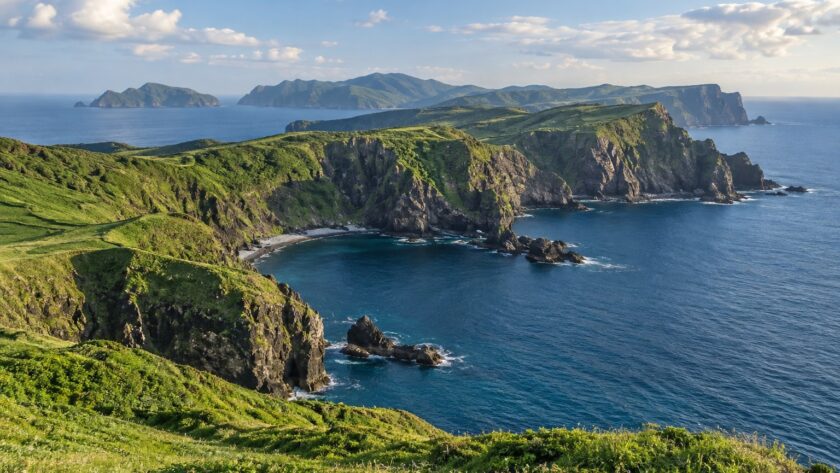
Information checked on October 9, 2026. Opening arrangements, transport schedules, and activity availability can change; consult the linked official sources before traveling. The featured image is an AI-generated, photo-style illustration inspired by the Oki Islands coastline, not a photograph of a specific location.
Where Is Shimane, and How Long Should You Stay?
Shimane stretches along the Sea of Japan side of the Chugoku region in western Honshu. Think of it as three travel areas: eastern Shimane around Matsue, Yasugi, and Izumo; the western Iwami region, including Oda and Tsuwano; and the offshore Oki Islands. The Japan National Tourism Organization’s Shimane overview provides a useful introduction to this geography and the prefecture’s principal attractions.
Allow three or four nights for an introduction focused on the east, particularly if you want a relaxed museum visit and an onsen stay. Add time for Iwami Ginzan instead of squeezing it between arrival and departure. Oki works best as a separate extension of at least two or three nights. These are planning suggestions, not minimum requirements: your interests and transport connections should determine the final pace.
Matsue: A Castle Town Shaped by Water
Begin in Matsue, where the castle provides a natural center for a day’s exploration. Its surviving original keep gives the visit an architectural focus: look at the heavy timber structure and the relationship between the tower, surrounding grounds, and town. Before booking a future trip around an interior visit, check the official castle website. Matsue City has announced a major repair project, so access and the exterior appearance may change as work progresses.
The Horikawa sightseeing boat offers a different view of the town through its historic waterways. Low bridges are part of the experience: passengers may need to bend down when the boat’s roof lowers. Travelers who find that movement difficult should ask about suitability before buying tickets. Combine the cruise with walking, rather than expecting either experience alone to reveal the whole castle district.
Nearby Shiomi Nawate and the castle-area museums add domestic and literary perspectives. The former residence and memorial museum associated with Lafcadio Hearn, also known as Koizumi Yakumo, make a worthwhile pairing for readers interested in his connection with Japan. Choose a few interiors that interest you, then leave time to follow the waterside streets without turning every building into a compulsory stop.
Lake Shinji and Matsue’s Art Scene
Lake Shinji gives Matsue an unusually open horizon. Set aside part of the afternoon for the waterfront, with the possibility of sunset if conditions cooperate. Avoid making a particular sky color the measure of success: a cloudy evening can still be a pleasant end to a busy sightseeing day. Choose a convenient stretch of shore and establish your route back before it becomes dark.
The Shimane Art Museum, beside the lake, connects the landscape with a collection shaped in part around water. It is a good choice for travelers who want to balance historic buildings with modern exhibition spaces. Check the exhibition calendar when deciding how long to stay. A museum visit followed by a lakeside walk makes an appealing afternoon without adding another distant transfer.
Izumo Taisha: Mythology and Living Tradition
Izumo Taisha is central to Shimane’s cultural identity. Its association with en, the connections that link people and their lives, extends beyond romantic matchmaking. Approach it as an active place of worship: slow down, follow signs, and give ceremonies and other visitors space. The grounds are more rewarding when you pay attention to their sequence of approaches and buildings instead of searching only for a familiar photograph.
In local religious tradition, deities gather in Izumo during Kamiarizuki. This follows the tenth month of the traditional lunar calendar, so it should not be confused with a fixed festival throughout modern October. Check the official explanation of Kamiarizuki before planning around rituals. Nearby Inasa Beach is connected with the welcoming of the deities and adds a coastal dimension to the area’s mythology.
For historical context, visit the Shimane Museum of Ancient Izumo, near the shrine. Archaeological material and displays about ancient Izumo help separate physical evidence from the stories associated with the region. The museum reopened on October 1, 2026, according to the prefectural reopening announcement. Older online closure notices may therefore be misleading; use the current museum calendar to check your intended date.
Adachi Museum of Art: Looking Carefully at a Garden
In Yasugi, the Adachi Museum of Art brings Japanese painting and meticulously composed gardens into the same visit. Its garden scenes invite close attention to proportion, stone, vegetation, and distant scenery. This is an especially good stop for travelers interested in visual composition, whether through painting, photography, or landscape design. Give yourself time to return to a viewpoint after exploring the galleries.
One practical detail changes expectations: visitors view the gardens from the museum buildings and designated viewing areas; they do not stroll through the planted gardens. The museum’s visitor FAQ makes this distinction clear. Check current access and shuttle information before traveling from Yasugi Station, and avoid planning your visit around a tight return connection. Exhibition changes can also affect which indoor spaces are available.
Tamatsukuri Onsen: Make the Overnight Stay Count
Tamatsukuri Onsen, near Matsue, is a historic hot spring district with inns along the Tamayu River. Staying overnight gives the experience a different rhythm from a quick bath between attractions. Arrive in time to settle in, walk through the neighborhood, and enjoy dinner without rushing. The station and the main inn district are separate, so confirm the final bus, taxi, or hotel pickup arrangement.
Compare accommodation by the experience you want, not just the room photograph. Check whether dinner is included, when it is served, and whether private bathing is available if needed. Ask directly about dietary requirements and individual bathing policies. A carefully chosen inn can become a highlight of the trip; a late arrival that misses the included meal can undermine both the experience and its value.
Iwami Ginzan: Silver Mining in a Living Landscape
West of Izumo, Iwami Ginzan is best understood as a landscape rather than a single underground attraction. In and around Omori, historic streets, former residences, wooded slopes, and mining remains tell related parts of the story. Begin with an overview of the World Heritage site, then choose a walking route that matches your energy and interests. The town itself deserves attention alongside the mine.
The Ryugenji Mabu mine tunnel provides a more immediate sense of the work once carried out here. Treat the approach and the tunnel as one outing, with suitable shoes and enough daylight for the return. For transport and local movement, use the Iwami Ginzan World Heritage Center’s access page. Do not assume a car can take you directly to every historic feature.
Omori is also a residential community. Keep conversations considerate near homes, use designated parking, and distinguish open businesses from private entrances. If architecture and local history are your main interests, spending more time in the streets and museums may suit you better than adding every possible trail. Build the day around one coherent route, with lunch and the return connection already considered.
Yunotsu and Tsuwano: Reasons to Continue West
Yunotsu Onsen combines a historic port setting with a compact hot spring district and forms part of the wider Iwami Ginzan heritage landscape. It is a natural option for travelers who want to remain in western Shimane after visiting Omori. An overnight stay lets you enjoy the streets at a gentler pace and fit bathing around the day rather than around a departing train.
Farther west, Tsuwano offers a different townscape, with white-walled streets and a Catholic church whose interior brings together tatami flooring and stained glass. It deserves its own place in a western itinerary. Check onward transport before adding it to a Matsue-based trip: the fact that two towns share a prefecture does not mean they make convenient partners for a single day.
Iwami Kagura: An Evening of Myth and Music
An evening of Iwami Kagura can give western Shimane a vivid cultural focus. This regional performing tradition combines mythological storytelling, striking costumes, dance, and live accompaniment with drums and flutes. Orochi, one of its best-known stories, concerns the deity Susano-no-mikoto and a great serpent. Reading a short synopsis beforehand helps you follow the action, but the movement and visual drama offer plenty to appreciate without understanding every sung word.
Use the official performance schedule to choose a venue that fits your dates, then confirm admission and reservations directly. A performance can be a good reason to adjust your overnight location, particularly when evening transport is limited. Ask the venue about photography and seating arrangements rather than assuming that every performance follows the same rules. Leave enough time afterward to return comfortably to your accommodation.
The Oki Islands: Plan an Island Stay, Not a Detour
The Oki Islands are a separate chapter of a Shimane journey. Dogo is distinct from the Dozen island group, so choose where to stay before booking transport. The official Oki access guide explains mainland connections and travel between islands. Ferries connect with Shichirui in Shimane and Sakaiminato in neighboring Tottori; flights serve Oki Airport on Dogo. Your arrival port matters as much as your island name.
On Nishinoshima, the Kuniga Coast brings together high sea cliffs, a natural rock arch, and sweeping coastal views. Walking routes and sightseeing options reveal different aspects of the landscape. Bring food and water for time away from settlements, remain well back from cliff edges, and keep a respectful distance from grazing cattle and horses. Arrange the journey back before setting out.
A Kuniga sightseeing boat can offer views from below the cliffs, but sea conditions determine whether trips operate and which features can be approached. Plan at least one flexible period during an island stay. Avoid putting the final ferry immediately before an expensive onward flight; a mainland buffer night can make the whole itinerary more resilient to disrupted sailings.
What to Eat in Shimane
Izumo soba is an essential regional introduction. The darker noodles are often presented in stacked round wariko bowls, while kama-age soba offers a warm alternative. Ask the restaurant how it recommends adding the sauce and condiments. Comparing two modest soba lunches on different days can be more enjoyable than ordering every specialty at once, particularly when you have an inn dinner ahead.
Matsue’s matcha and wagashi culture makes an afternoon tea break part of the destination. Its connection with the tea-loving lord Matsudaira Harusato, known as Fumai, gives the custom historical depth, but visitors can enjoy it casually. Choose a sweet that interests you and take time over the contrast between its sweetness and the tea. No elaborate performance is necessary to appreciate the pairing.
Other possibilities include shijimi clam soup, seafood, and regional sake. The prefecture’s food and travel brochure introduces several local specialties. Ask what is available that day rather than assuming every dish will appear everywhere. Travelers with dietary restrictions should clarify broths and sauces as well as obvious ingredients; a noodle or vegetable dish may still include fish-based stock.
Lake Shinji’s food culture reflects its brackish water, where fresh and salt water meet. The seven delicacies of Lake Shinji include shijimi clams, eel, shrimp, and several fish varieties, with availability changing through the year. Rather than treating them as a checklist, try a seasonal local set meal. It can connect the view outside the window with what arrives at the table.
Getting to Shimane and Traveling Around
For eastern Shimane, compare flights into Izumo with rail travel through Okayama, where the Yakumo limited express provides a connection toward Matsue and Izumo. The official Daisen-Oki access guide explains the regional transport framework. Compare complete journeys, including airport or station transfers, rather than judging only the headline flight or train time. Western destinations may call for a different arrival plan.
Public transport can support an eastern itinerary, but rural days need deliberate connections. Identify your last useful return service, then work backward through the day’s activities. A rental car may simplify some mainland journeys, especially with luggage or several rural stops, but it also brings parking and driving responsibilities. Choose transport for the route you actually intend to follow, rather than renting automatically for the entire stay.
In Matsue, decide whether station convenience or the lake and castle neighborhood matters more for your accommodation. Map the first and last journey of each day before choosing. Families and travelers with large suitcases may prefer fewer hotel changes, while an overnight in western Shimane can remove a long return trip. On Oki, choose the island first and the room second: a beautiful property on another island does not solve a missed ferry connection.
A Relaxed Four-Day First Visit
Day 1: Arrive and Explore Matsue
After arrival, leave your luggage and focus on the castle district. Choose the keep, a museum, or a boat trip according to available time and current access. Pause for tea before moving toward Lake Shinji. If you arrive late, shorten the sightseeing plan and save the castle for another morning; there is little benefit in starting the trip with hurried admissions and missed meals.
Day 2: Izumo’s Shrine, Museum, and Coast
Give Izumo Taisha an unhurried morning, then have a soba lunch nearby. Spend the afternoon at the Museum of Ancient Izumo, adding Inasa Beach if daylight and transport allow. Keep the beach optional so that weather or a compelling exhibition does not derail the day. Return to your eastern base, or move to Tamatsukuri early enough for your inn’s dinner schedule.
Day 3: Art and a Hot Spring Evening
Travel to Yasugi for the Adachi Museum of Art and allow a substantial part of the day for the visit and its transfers. Keep the remaining schedule light. This is a sensible evening for Tamatsukuri if you have not stayed there already, or for another meal in Matsue. Resist adding a distant attraction simply because there is an empty space on the itinerary.
Day 4: Choose Depth or Extend West
With an afternoon departure, stay around Matsue for the lakefront art museum or a neighborhood you missed. If continuing the journey, dedicate the day to Iwami Ginzan and consider a western overnight stay. Treat Tsuwano and Oki as extensions requiring additional nights. This keeps the four-day plan useful for a first visit while leaving clear reasons to return.
Seasonal Choices and Final Planning
Choose your season around the experience that matters most: town walks and gardens, a warm inn after sightseeing, or time outdoors on Oki. Carry rain protection and check the local forecast close to departure. For island activities, confirm seasonal operation directly with the provider. A flexible museum afternoon is especially useful when a carefully imagined outdoor day meets less cooperative weather.
Reserve the accommodation that anchors your route first, then connect the days around it. Keep some cash for small purchases, save essential directions offline, and check meal arrangements outside major town centers. Shimane becomes easier to enjoy when each day has one clear focus. A shrine visit, a garden viewed slowly, or a coastal walk with time to linger can be enough to make that day memorable.