Okinawa introduces a different side of Japan: turquoise bays, red-tiled roofs, pottery workshops, subtropical forests, and a food culture shaped by centuries of island life. A beach can be the centerpiece of a holiday, but the most rewarding trips also leave space for Ryukyuan heritage, everyday neighborhoods, and the stories behind the scenery. There is far more here than a single resort coastline.
This guide covers Okinawa’s main island and the principal island groups, with practical advice for choosing a base, moving around, and planning five days without constant packing. Start by deciding what matters most: cultural sightseeing, relaxed beach time, or nature excursions. That choice is more useful than attempting to connect every famous photograph on one map.
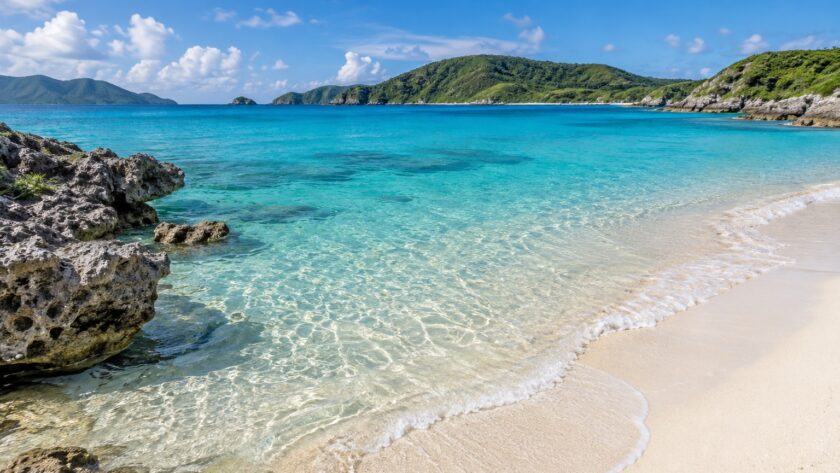
Information checked on October 9, 2026. Transport, opening arrangements, beach access, and weather conditions can change; check the linked official sources before traveling. The featured image is an AI-generated coastal illustration inspired by Okinawa, not an actual photograph or an exact depiction of a named beach.
Choose Your Islands Before Booking
Okinawa Prefecture stretches across a wide island chain. The main island offers Naha, royal heritage, major attractions, and northern forests. The Kerama Islands provide an offshore escape from Naha. Miyako and the Yaeyama Islands are farther southwest and usually require a flight when approached from the main island. Use the official destination overview to understand these separate regions before choosing accommodation.
For a first visit of four or five nights, concentrating on the main island is a strong choice. For a beach-focused holiday, Miyako can be the destination itself. Ishigaki makes a useful base for a Yaeyama trip, including nearby islands. With a week or longer, consider combining two regions, while preserving time for airport transfers and weather disruption. More islands do not automatically mean a better holiday.
Naha: Markets, Neighborhoods, and Island Food
Naha deserves time beyond the airport transfer. Kokusai Street provides an energetic introduction through shops, restaurants, and evening activity. Then turn into the surrounding streets, where a slower walk can lead to smaller businesses and a different atmosphere. The official Naha guide introduces both the central shopping district and the city as a gateway to other islands.
Make a meal part of the exploration. Around First Makishi Public Market, look at ingredients before choosing lunch; compare menus and ask about preparation if something is unfamiliar. Nearby Tsuboya Yachimun Street introduces Okinawan pottery through shops and workshops. These are included in the tourism board’s main-island sightseeing guide. Leave enough room in your bag for a carefully packed cup or small bowl.
Naha also works well as a gentle arrival day. Check in, take a short walk, eat locally, and avoid a long drive immediately after your flight. Choosing accommodation near a useful monorail station can simplify the first and final nights. Check the actual walk from the station, especially with heavy luggage, rather than assuming every centrally described hotel is equally convenient.
Shuri and the Legacy of the Ryukyu Kingdom
Okinawa’s distinctive culture reflects its history as the Ryukyu Kingdom and its connections through maritime trade. Shuri was the royal center, and Shurijo Castle Park offers an introduction to its ceremonial and political life. Approach the visit as a chance to understand the kingdom, rather than simply to collect a castle photograph.
There is an important date to check when planning. As of October 9, 2026, the restored Seiden main hall’s interior is scheduled to open on November 23, 2026. The park’s official reservation page explains the designated-date-and-time advance booking system for interior viewing and the admission changes accompanying the opening. Do not assume an earlier visit includes access to the restored interior.
Allow time for the grounds, interpretive material, and the walk between entrances and transport. Shuri’s terrain can involve slopes and steps; check a suitable route if accessibility or walking stamina matters. A quieter afternoon meal or museum visit makes a good partner for this history-focused outing. Keep the rest of the day flexible if a booked viewing time determines your schedule.
Southern Okinawa: Remembrance and Reflection
The southern main island holds places essential to understanding the Battle of Okinawa and its devastating effects on civilians. Okinawa Peace Memorial Park and the associated museum provide space for learning and remembrance. The Himeyuri Peace Museum tells the experiences of students and teachers mobilized for wartime medical work. The Itoman and Nanjo guide introduces these sites alongside the wider region.
Give these visits their own time and attention. Read the testimony, observe photography rules, and avoid treating memorials as quick scenic stops. With children, consider how much historical material is appropriate in one day and plan a quiet break afterward. Two thoughtful visits can offer a deeper understanding than a rushed circuit of several monuments.
Yomitan and Onna: Crafts, Cliffs, and Beach Time
Yomitan brings traditional crafts into a coastal itinerary. Yachimun no Sato is a pottery village with workshops, kilns, and galleries, while Zakimi Castle Site introduces another aspect of Ryukyuan heritage. The official Yomitan guide connects these cultural attractions with the area’s shores and accommodation. It is a good place to alternate browsing, sightseeing, and an unhurried lunch.
Farther along the west coast, Onna is one of the main island’s established resort areas. The northern Okinawa overview highlights it as a base for coastal relaxation. When comparing hotels, look beyond the room photograph: check beach access, seasonal swimming arrangements, dining options, and the journey from your arrival point.
Reserve a real stretch of time for the coast. A holiday with only brief beach stops between long drives can feel surprisingly tiring. Choose a comfortable place to sit, watch the changing light, and leave room for an optional activity. If you book snorkeling or another excursion, confirm the meeting point and cancellation policy before arranging the rest of the day.
Motobu and Okinawa Churaumi Aquarium
Okinawa Churaumi Aquarium, in the Motobu area, is one of the main island’s major attractions. Its Kuroshio Sea exhibit introduces large ocean-going fish, including whale sharks and manta rays; individual animals on display can vary. Take time with the smaller habitats and explanatory exhibits too, which give context to the surrounding marine environment.
The aquarium’s visitor FAQ suggests roughly one and a half to two hours for the aquarium itself, depending on the programs visited. Allow more for meals and the wider Ocean Expo Park. Treat this as a northern outing, with a realistic travel window, rather than a brief attraction to fit between Naha sightseeing and an airport departure.
Families may prefer staying in the northern or west-coast area before this day. That creates room for breaks and reduces repeated travel from the city. If using a sightseeing bus, compare the actual time allowed at each stop with your interests. A tour can simplify transportation, but its pace may differ from the leisurely aquarium visit you have in mind.
Yanbaru: Okinawa’s Forested North
Yanbaru reveals a greener, wilder side of the main island. Subtropical forest, mangroves, and limestone landscapes support distinctive wildlife, including the Okinawa rail. The official Yanbaru guide introduces forest walks, waterfall outings, and guided paddling. Select one experience that suits your ability and the day’s conditions instead of treating the north as a continuous driving circuit.
A local guide can help you notice plants and wildlife that would otherwise pass unseen. Ask about the route, footwear, weather policy, and activity duration. Stay on permitted paths and drive carefully around wildlife habitats. If the forest is a priority, an overnight stay in the region gives it breathing room; it is a substantial addition to a Naha-based trip.
The Kerama Islands: A Separate Day on the Water
The Keramas are associated with exceptionally clear blue water and marine excursions. Aka Island, for example, is reached from Naha’s Tomari Port by ferry or high-speed boat, as described in the official Aka Island guide. Choose a specific island and transport service, then arrange onward access to your beach or activity rather than assuming everything is beside the port.
A day trip works when the return sailing and activity schedule align. Staying overnight allows a slower experience, but requires attention to meals, luggage, and accommodation transfers. Ferries depend on sea conditions, so check the operator’s announcements even if the sky looks clear. Avoid placing an essential flight immediately after a return boat journey, and keep an alternative land-based plan.
Miyako or Yaeyama: Choosing a Longer Island Escape
Miyako for Beaches and Coastal Drives
Miyako is a strong choice when white sand and coastal scenery are the main priorities. Yonaha Maehama Beach and Higashi-Hennazaki Cape are among the places introduced in the official Miyako Island guide. Bridges connect several nearby islands, but the journey from Okinawa’s main island is by air. Check your arrival airport carefully before arranging a rental car or hotel transfer.
Give Miyako several nights if possible. Plan one main outing each day, then let conditions determine which beach or viewpoint makes sense. A beautiful shoreline is not automatically a suitable swimming spot, and access arrangements may change. Choose accommodation according to the holiday you want: a resort stay, a base near dining, or somewhere quieter that requires more driving.
Ishigaki, Taketomi, and Iriomote
Ishigaki Island combines accommodation and dining with access to the wider Yaeyama group. Kabira Bay is known for its scenery and glass-bottom boat experiences. Use the island as a destination as well as a transport hub: a day spent exploring its viewpoints and neighborhoods can be more satisfying than immediately boarding another boat.
Nearby Taketomi Island offers village streets, red-tiled houses, stone walls, and coastal scenery. These are lived-in surroundings, so respect private entrances and keep photography considerate. Iriomote Island emphasizes forests, mangroves, and guided outdoor activities. Match the excursion to your experience and confirm current access and booking requirements with the operator.
A Yaeyama holiday benefits from a focused plan: a base on Ishigaki, one village-oriented island visit, and a separately arranged nature day, for example. Do not book several boat-dependent activities so tightly that a single cancellation disrupts everything. Longer stays on one island are equally worthwhile. Choose depth and comfortable connections over the highest possible island count.
What to Eat
Food is one of the easiest ways to explore Okinawan culture. Start with Okinawa soba, try goya champuru, a stir-fry featuring bitter melon, and sample the firm local shima tofu. The tourism board’s introduction to Okinawan family food highlights these everyday favorites. Try different small dishes across the trip instead of saving every specialty for one large meal.
Taco rice, rafute stewed pork, and umibudo seaweed offer more possibilities, while Yomitan is associated with beni imo sweet-potato treats. Order according to appetite and curiosity. If you have dietary requirements, ask about broth, sauces, and toppings as well as the main ingredient. A dish with vegetables or tofu should not be assumed to be vegetarian without checking its preparation.
On smaller islands, arrange dinner before the evening rather than counting on a wide choice of walk-in restaurants. Ask your accommodation about meal reservations and nearby options. In Naha, leave some meals unplanned so that you can follow your interests while walking. A simple bowl of noodles or a neighborhood lunch can be as memorable as a formal restaurant booking.
Transport and Accommodation That Fit Your Route
The Yui Rail monorail connects Naha Airport with stations through Naha and onward to Urasoe. It is useful for a city stay, but it does not extend to the northern resort areas. Check station locations before booking a hotel and compare the final walk with other transfer options, especially when arriving late or traveling with children.
Beyond the city, options include local buses, airport buses, sightseeing tours, taxis, and rental cars. The official transport guide helps distinguish them. A car gives flexibility for dispersed sights; a carefully chosen bus route or guided day tour can work well without driving. Check return departures and reservation requirements before committing to a remote overnight base.
For a main-island holiday, splitting the stay between Naha and the west coast or north can reduce repeated journeys. Balance that against the inconvenience of changing hotels. Include parking, fuel, transfers, and meals when comparing accommodation costs. On departure day, allow for traffic and rental-car return procedures, including any shuttle journey to the airport terminal.
If anyone in your group needs step-free access, choose activities before booking accommodation. Ask about the complete route, including parking, slopes, toilets, and transfers onto boats. The official accessible-tourism introduction points to specialist support and examples of adapted experiences. A general statement that a destination is accessible may not answer the questions relevant to your group. Confirm specific arrangements directly, particularly for beach equipment, vehicle space, and assistance that needs advance booking.
Seasons, Sea Conditions, and Respectful Travel
The official climate guide describes a subtropical destination with distinct seasonal experiences. Rainy weather commonly affects May and June, while summer brings heat and humidity. Cooler months can suit cultural sightseeing and walking. Beach operating seasons vary, so a warm forecast should not be taken as confirmation of supervised swimming or open facilities.
Typhoons can affect flights, boats, roads, and sightseeing. Read the official typhoon guidance, monitor current announcements, and follow local instructions. During a storm, stay away from the shore and suspend sightseeing. Keep flexibility in the itinerary and understand cancellation terms before booking several weather-dependent activities.
For swimming, choose a managed beach suited to your group, observe posted restrictions, and follow lifeguard advice. The official beach directory lists facilities such as lifeguards, showers, and jellyfish nets. Confirm what is operating on your date. For snorkeling, consider a guided excursion and appropriate flotation; clear water can conceal currents and other hazards.
Protect the places you came to enjoy. Do not stand on coral, chase wildlife, or remove natural souvenirs. Keep out of sacred or private areas unless entry is clearly permitted, and ask before photographing people. Choose local guides and makers when their work interests you. These small decisions help make an island visit more considerate and more connected to everyday life.
A Balanced Five-Day Main-Island Itinerary
Day One: Arrive and Settle into Naha
Keep the arrival day simple. Travel to your accommodation, explore Kokusai Street and nearby lanes, and have an Okinawan dinner. If the flight arrives late, shorten the walk instead of delaying rest. This is a useful day to confirm transport and bookings for the coming days without treating airport arrival as the start of a sightseeing race.
Day Two: Shuri and Naha’s Crafts
Visit Shurijo Castle Park with the arrangements appropriate to your date, then spend the afternoon around Tsuboya or another Naha neighborhood. Alternatively, dedicate the day to southern memorial sites if modern history is your priority. Combining both historical areas into a crowded day is unnecessary; choose the experience you want to understand properly.
Day Three: Yomitan and the West Coast
Move toward your coastal base, with a pottery or heritage stop in Yomitan. Leave the afternoon for your hotel, a managed beach, or a prearranged marine activity. Keep the evening local. This day should make the change of pace tangible, with time to enjoy where you are staying instead of immediately driving somewhere else.
Day Four: Motobu or Yanbaru
Choose the aquarium and surrounding park for an attraction-focused day, or arrange a guided forest or mangrove outing for a nature-focused alternative. Avoid trying to complete both regions simply because they are in the north. Return with time for dinner, and start organizing departure logistics while you still have an unrushed evening.
Day Five: A Gentle Finish
Allow breakfast and a final short walk if the flight permits, then return toward the airport with a generous buffer. For a longer stay, add a separate Kerama visit or several nights in Miyako or Yaeyama. If connecting through the capital, our Tokyo travel guide can help with that portion. Leave Okinawa with time enjoyed, rather than only distance covered.