Hokkaido changes the scale of a trip to Japan. City blocks open onto broad parks, farmland rolls toward distant mountains, and hot spring towns sit beside visibly active volcanic landscapes. In winter, snow reshapes familiar streets and turns mountain resorts into the focus of entire holidays. In the warmer months, flower gardens, lakes, and long stretches of countryside invite a slower kind of exploration.
Japan’s northernmost main island also demands choices. Sapporo, Hakodate, Furano, and Shiretoko are not neighboring sightseeing stops, and a short visit cannot comfortably include them all. A good first itinerary chooses one connected region and gives it enough nights. This guide introduces the main options, with a practical western route and suggestions for travelers whose priorities lie in the mountains or farther east.
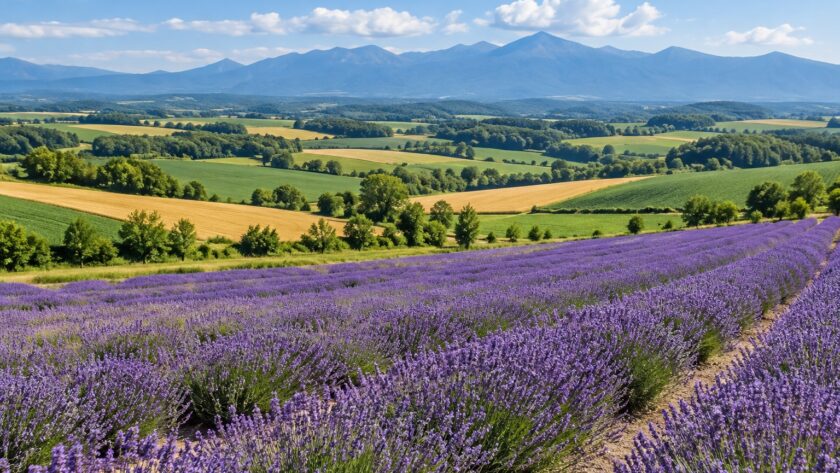
Information checked on October 9, 2026. Confirm transport, seasonal access, and opening arrangements through the official links before traveling. The featured image is an AI-generated, photo-style illustration inspired by the Furano and Biei countryside, not a photograph of a specific farm.
Start with the Map: Choose Your Hokkaido
The official Hokkaido tourism guide divides a very large destination into manageable areas. For a first visit, Sapporo and Otaru provide a convenient urban introduction. Noboribetsu and Lake Toya add hot springs and volcanic scenery to the southwest, while Hakodate anchors the south. Furano and Biei lie inland; eastern destinations such as Kushiro, Akan-Mashu, and Shiretoko need a different travel plan.
Allow roughly five to seven nights for a focused first trip if your wider schedule permits. With only three nights, Sapporo and a nearby excursion can be satisfying. With a week, choose either a southern journey toward Hakodate or an inland journey toward Furano and Biei. For eastern Hokkaido, consider flying closer to the region instead of spending a large share of your holiday crossing the island.
Sapporo: Parks, Neighborhoods, and Regional Food
Sapporo is a useful place to find your bearings. Begin with Odori Park, whose green corridor cuts across the central city and hosts events through the year. Walking part of its length helps establish the relationship between shopping streets, hotels, and the city center. Choose a few nearby stops rather than trying to cross off every landmark on arrival day.
A simple Sapporo day can move from a park walk to a museum or shopping district, then finish with dinner around the center. Leave flexibility for weather: in snow or heavy rain, a shorter outdoor route with longer meal breaks may be more enjoyable. Staying near a subway station helps, particularly when you have luggage or plan several day trips. Check the actual entrance location rather than relying only on a hotel’s neighborhood name.
For a different view of the city, visit Moerenuma Park. Designed around Isamu Noguchi’s concept of the park as a large sculpture, it combines geometric landforms, open space, and distinctive structures. It sits outside downtown, so allow time for the journey as well as the grounds. This is a place to explore at walking pace, with the season shaping what you can do.
Otaru: A Port-Town Day Trip
Otaru offers an accessible change of atmosphere from Sapporo. The canal, former warehouses, and commercial streets reflect the city’s trading history, while glass shops provide an easy introduction to its craft identity. The city’s official English visitor guide helps connect the waterfront with other historic areas. Walk beyond the best-known canal viewpoint so that the visit becomes more than a single photograph.
Build the day around a waterfront walk, lunch, and one activity that interests you. A glassmaking experience can be a memorable alternative to shopping, but confirm reservations, age restrictions, and when finished work can be collected or shipped. If traveling back to Sapporo, leave room for a relaxed return. In winter, icy streets can make even short walks slower than their map distance suggests.
Hakodate: Harbor History and a Remarkable City View
Hakodate deserves an overnight stay rather than a rushed excursion from Sapporo. Its Motomachi district recalls the city’s role as an early international trading port, with sloping streets and buildings associated with overseas communities. Spend time noticing the changing harbor views as you walk. The hills are part of the appeal, but travelers with limited mobility should plan a route around suitable transport and accessible entrances.
Goryokaku introduces another chapter of the city’s history. Its star-shaped fort layout is easiest to appreciate from the observation tower, while the park gives you a closer, more leisurely experience of the setting. Pairing the two explains the site better than choosing only an elevated photograph. Check seasonal conditions and opening information when deciding whether to devote a morning or afternoon to the area.
The view from Mount Hakodate is particularly compelling as the city lights come on between two stretches of water. Visibility, wind, queues, and maintenance all affect the experience, so consult the current mountain access information. The ropeway and summit road have different operating restrictions. Keep the evening flexible, and plan the descent before heading up rather than assuming every transport option runs late.
Noboribetsu and Lake Toya: Give Hot Springs Time
At Noboribetsu, Jigokudani, or Hell Valley, makes the region’s volcanic character visible through steam, bare ground, and geothermal activity. The landscape supplies a striking context for a hot spring stay. Use designated paths and respect closures; a scenic overlook does not mean the surrounding ground is safe to enter. Confirm which walks are available, especially when snow or maintenance changes access.
An overnight stay works well here because the point is to slow down. Arrive before your inn’s dinner time, leave space for bathing, and take a short neighborhood walk if conditions allow. Check whether meals are included and whether a private bath is available if you need one. The railway station and the hot spring district are separate, so include the final transfer in your arrival plan.
Lake Toya offers another base for volcanic scenery and a waterside stay. The national tourism organization’s southern Hokkaido itinerary shows how the lake and Noboribetsu can fit into a broader journey. For a short trip, choosing one overnight base is often more relaxing than changing hotels solely to sample both. Add the second when you have a specific walk, activity, or accommodation in mind.
Upopoy: Learn about Living Ainu Culture
At Shiraoi, Upopoy National Ainu Museum and Park provides an important cultural stop. The Ainu are an Indigenous people of northern Japan, and their language, traditions, and contemporary lives deserve attention alongside Hokkaido’s landscapes. Approach the visit as an opportunity to learn from the museum’s interpretation and the people sustaining the culture, rather than treating it as a decorative addition to a scenic itinerary.
Review the day’s program before arrival. Exhibitions, demonstrations, and performances have different schedules, and some experiences may require advance arrangements. Allow enough time to engage with several parts of the site instead of stopping only for photographs. Shiraoi can fit a journey between the Sapporo area and southern hot spring destinations, but a worthwhile museum visit should determine the timetable rather than fill a leftover hour.
Furano and Biei: Flowers, Farmland, and Changing Light
Furano’s flower season is a strong reason to plan an inland visit, but lavender is seasonal, not a permanent summer backdrop. Farm Tomita’s flower guide shows how varieties and fields bloom at different times, with July especially relevant to many lavender displays. Use current flowering reports close to departure. A favorite image from another month or year is not a reliable forecast for your dates.
Biei’s rolling agricultural landscape rewards a few carefully chosen viewpoints. These hills are working farms, including when snow hides the crops below. The Biei Tourism Association’s visitor guidance asks travelers to stay out of farmland and farm roads and avoid obstructing traffic. Take photographs from permitted places. Protecting the landscape includes respecting the people whose work creates it.
The Shirogane Blue Pond is a separate outing from the town center, known for its colored water and standing trees. Light, rainfall, and seasonal conditions affect its appearance, so allow the actual scene to be different from promotional photographs. Check the bus or driving route and leave time for the return. Do not step onto the pond’s ice or leave designated visitor areas.
Daisetsuzan: An Inland Mountain Extension
Daisetsuzan National Park introduces a larger mountain landscape of volcanic peaks, alpine vegetation, and gorges. It suits travelers willing to organize their days around outdoor conditions rather than a chain of city attractions. Decide first whether you want a short scenic visit or a substantial hike: the equipment, time, and preparation are different. A ropeway journey does not remove the need to understand the terrain beyond its station. Ask a visitor center about suitable routes, current closures, and the day’s weather before committing to a walk.
Niseko: Build a Holiday around Your Ability
For a snow-focused trip, Niseko United provides resort information, lift details, and seasonal updates. Choose accommodation with the practical journey to your intended ski area in mind. Lessons, equipment fitting, and transport take time, so beginners benefit from several nights in one base. Travelers who do not ski should confirm what activities and dining options suit them before committing to a resort stay.
Mountain conditions can change quickly. Follow the Niseko Rules, obey closures, and stay within terrain appropriate to your skills. Backcountry travel needs specialist preparation and should not be treated as an extension of an ordinary sightseeing day. A satisfying winter holiday can consist entirely of lessons, managed runs, warm meals, and rest; there is no need to chase advanced terrain to enjoy the snow.
Eastern Hokkaido: Lakes, Wetlands, and Wildlife
Kushiroshitsugen National Park offers a landscape of wetlands and waterways. Begin with a visitor center to choose appropriate observation points, trails, or guided activities. Wildlife watching is most rewarding when you give it time and accept uncertainty. Bring suitable layers and binoculars if you have them, keep your distance, and avoid making an animal sighting the condition for a successful day.
Farther inland, Akan-Mashu National Park brings together the caldera landscapes of Akan, Mashu, and Kussharo. Select a base and a small number of activities instead of attempting every lake viewpoint in a single day. Forest walks, cultural experiences, and time at an onsen can provide as much depth as a long scenic drive. Visitor centers are useful for current local conditions.
Shiretoko needs its own allocation of nights. At the Shiretoko Goko Lakes, elevated boardwalk access and ground-level walking routes operate under different systems. Ground paths may require a briefing or registered guide depending on the season, and bear activity can change access. Check the official arrangements for your dates. Never feed or approach wildlife, and follow staff instructions even when they require changing your plans.
What to Eat: Make Meals Part of the Route
Sapporo’s soup curry is a good starting point: a spiced broth with substantial vegetables and optional proteins, usually accompanied by rice. Restaurants vary in soup base, heat, and toppings. Order a comfortable spice level first, and clarify ingredients if you have dietary restrictions. A vegetable-heavy bowl does not necessarily use vegetarian stock, so asking about the broth matters.
Other familiar regional choices include miso ramen, jingisukan grilled lamb, seafood, and dairy sweets. Sapporo’s visitor map and cuisine introduction gives background on several classics. Spread them across your trip rather than organizing every day around queues at a particular restaurant. A modest lunch near your sightseeing route can leave more time and appetite for the evening meal you most want.
At markets, check the displayed price, portion size, and whether cooking or seating costs extra before ordering. Seafood availability and value vary by season and location; a Hokkaido address alone does not guarantee a bargain. If you are staying at an inn with dinner included, keep lunch light. When buying chilled products to take onward, ask about storage and the length of your remaining journey.
Transport: Plan Complete Journeys
JR Hokkaido provides route maps, timetables, ticket information, and airport train guidance. New Chitose Airport is convenient for Sapporo and many western itineraries. Travelers arriving by Shinkansen should distinguish Shin-Hakodate-Hokuto from central Hakodate and allow for the connecting train. Do not assume that the Shinkansen already runs to Sapporo; check the current rail network before comparing flights and trains.
Rail works well for a route linking major western towns, while rural sightseeing often needs buses, a tour, or a car. Verify the final connection to your hotel or attraction, not just the intercity leg. Compare rail passes against the journeys you will actually take, including reservation rules and excluded services. A pass that covers a large area is not automatically good value for a concentrated itinerary.
Renting a car can give flexibility in rural areas, but map estimates do not include sightseeing, breaks, or difficult conditions. Winter driving requires appropriate experience and preparation; use transport services if snow and ice would make the trip stressful. In every season, plan fuel, meals, and the day’s final arrival before heading into quieter areas. Avoid combining a long sightseeing day with an ambitious late drive.
Budget for the connections that a broad itinerary creates. A cheaper flight can lose its advantage if it requires an extra hotel night or a costly transfer to the region you actually want. Similarly, compare an inn’s room-and-meal package with a city hotel’s room-only price on equal terms. Choose a few experiences to prioritize, then leave simpler meals and free walks between them. Keeping two or three nights in a useful base often saves both packing time and the temptation to fill each transfer day with extra stops.
A Seven-Day First Visit to Western Hokkaido
Days 1 and 2: Settle into Sapporo
Use your arrival day for a short central walk and an easy dinner. On the second day, explore Odori and a museum or neighborhood that matches your interests, or devote a substantial half-day to Moerenuma Park. Keep one evening open for the regional meal you most want to try. This gives the trip a comfortable beginning before introducing longer transfers.
Day 3: Spend the Day in Otaru
Travel to Otaru for the canal, historic streets, and a seafood lunch or craft activity. Return to Sapporo for the night, keeping your luggage in the same hotel. A day trip avoids a hotel change and gives you freedom to stay longer if the atmosphere appeals. In winter, reduce the walking distance and include warm indoor breaks.
Days 4 and 5: Culture and Hot Springs
Visit Upopoy, allowing time for the day’s program, then continue to your chosen hot spring base if connections and dinner arrangements fit. Spend the next day on local scenery around Noboribetsu or Lake Toya. You can also separate the museum and onsen transfer across two days. The aim is a cultural visit and a restful stay, not the maximum number of hotel check-ins.
Days 6 and 7: Finish in Hakodate
Continue south and give Hakodate time for Motomachi, Goryokaku, and a weather-dependent mountain view. Depart from the Hakodate area when suitable transport is available, or add the time needed to return to your original airport. If flowers are your priority, replace this southern section with additional nights around Furano and Biei. Do not add the inland route on top of the same seven-day schedule.
Choose the Season, Then Keep Some Flexibility
Summer flower viewing, winter sports, and a city-and-onsen journey call for different packing and booking decisions. Check the conditions that matter for your main activity, whether flowering, lift operation, trail access, or road closures. Allow a weather alternative and protect your departure day from an unnecessary long transfer. Hokkaido offers more than one trip can contain; choosing a smaller area thoughtfully lets you experience more of it.