Shiga rewards travelers who give the space between famous places some attention. East of Kyoto, Lake Biwa opens into broad water, reed beds, small harbors and towns whose streets still point toward older trading routes. A day can move from a castle keep to a canal-side lunch, or from a mountain temple to a quiet evening beside the lake. These experiences belong together, but they work best when you resist trying to circle the entire prefecture at once.
This guide organizes Shiga into manageable journeys: Otsu and the southern shore, Hikone and Omihachiman on the eastern side, Nagahama farther north, and optional excursions into the mountains or pottery country. Two days provide a satisfying introduction; three or four allow a more varied visit. Choose one principal outing each day, then leave room for a meal, a short walk and the changing light on the water.
Understand the Lake Before Planning the Trip
Lake Biwa, Japan’s largest lake, is the geographical anchor of a Shiga trip. Otsu sits near its southern end, while Hikone offers an eastern approach. A destination described simply as “Lake Biwa” may therefore be nowhere near the hotel or railway station you have selected. Put the actual port, temple entrance or rental shop into your route planner before deciding that two attractions belong on the same day.
For a first visit, an eastern-shore sequence is especially useful: Omihachiman, Hikone and Nagahama can each become the focus of a separate day. The western shore suits a different journey, with its own stations and lake access. Crossing from one side to the other is a transport decision, not a quick detour. The official Shiga travel guide is a useful starting point for comparing areas, accommodation and current local information.
Otsu: Temples and an Easy First Look at the Water
Otsu makes a practical introduction when arriving from Kyoto. Start with a lakefront walk and decide whether your priority is water, architecture or religious history. Trying to include every temple on a single afternoon can leave little time to experience any of them. Select one major temple and one unhurried lakeside stop, allowing for the journey between the station, the waterfront and the temple district.
Ishiyamadera, beside the Seta River in southern Otsu, combines striking rock formations with historic wooden buildings. Its association with Murasaki Shikibu and The Tale of Genji is part of the temple’s cultural appeal; the story that she conceived the work here is presented as a legend. Approach it as a place of worship as well as a literary destination. Comfortable shoes are more useful than an ambitious checklist, and seasonal flowers or foliage can make the grounds worth a lingering visit.
Another option is Mii-dera, also called Onjo-ji. Its historic halls and elevated views give a different perspective on Otsu, and the tourism association highlights its cherry blossoms and autumn colors. Pick this outing if you want a temple walk that can anchor much of the day. Check current access and opening information before departure, especially when arranging an evening event or a special exhibition.
Mount Hiei and Enryakuji: Make It a Mountain Day
Mount Hiei deserves more breathing room than a brief stop between lakeside towns. On the Shiga side, Sakamoto provides an approach by cable car. The Hieizan access guide explains the different approaches from Kyoto and Shiga, but some information is dated and mountain transport is seasonal. Confirm the relevant operator’s timetable for your actual travel date, including the final descent, before choosing a route that arrives on one side and leaves on the other.
At Enryakuji, allow time for walking and quiet observation rather than assuming every part of the temple complex is adjacent. There is also an important current qualification: the Konpon Chudo restoration project remains a major, long-running undertaking. The temple says arrangements are made for worship during construction. Do not plan around an unobstructed exterior or assume that restoration finished in 2026. Check current visiting guidance and any special construction-viewing arrangements directly with the temple.
Bring a layer even when the lakeshore feels mild, and let weather determine how much walking you attempt. For a calmer day, return through Sakamoto and stop for a meal before moving onward. Combining the mountain with a distant northern port creates unnecessary pressure around two separate transport schedules. If visibility or conditions are poor, switch to a lower-elevation cultural outing instead of treating the original plan as a commitment.
Hikone: A Castle That Rewards a Close Look
Hikone Castle preserves an original keep designated a National Treasure. The appeal is not simply the white walls and layered roofs: inside, structural beams, defensive openings and very steep stairs reveal a building designed for a different purpose from a modern museum. Visitors comfortable with the climb can look toward Lake Biwa from the upper level. Those with mobility concerns should check access carefully rather than assuming that a historic keep has an alternative step-free interior route.
Give the castle the first part of your day, then leave a generous lunch break. A short visit focused on photographing the exterior and a longer visit exploring the grounds are both reasonable choices; neither requires adding another town immediately afterward. Look at the official castle map before entering so that the layout makes sense. Walking back through town is an opportunity to connect the fortified hill with the streets below it.
Hikone is a useful overnight choice if the castle is a priority and you want to continue north the following day. When selecting a hotel, compare the actual walk from the station with the distance to dinner options. A room described as being in the castle town may suit sightseeing very well while requiring a longer luggage transfer. Arriving before dinner also gives you time to understand the neighborhood without rushing a final attraction.
Omihachiman: Follow the Canal Through a Trading Town
The Hachiman-bori Canal offers one of Shiga’s most distinctive townscapes, with white-walled storehouses and old buildings beside the water. Its history is tied to transport and commerce, so it is worth noticing where streets meet the canal rather than seeing it only as a photographic backdrop. A boat ride offers another perspective, but confirm the departure point, reservation requirements and operating season with the chosen provider.
Allow a half day for the canal area and nearby streets, or a full day if you want a longer meal and more shopping. The station and historic district are separate parts of the visit; include the connecting bus or taxi in your schedule. If comparing boat experiences, distinguish a town canal ride from a wetland excursion and from a large Lake Biwa cruise. Similar descriptions can hide very different boarding points and journey lengths.
Nagahama and Chikubushima: Town Streets or an Island Crossing
Nagahama works well as the northern anchor of an eastern-shore itinerary. The Kurokabe organization has developed a local glass-focused cultural and shopping presence, making this a useful place to browse before or after a lake excursion. Check individual workshop arrangements if you want to make something rather than simply visit shops. Reserve enough time for the activity itself and ask whether the finished item can be taken away immediately.
From Nagahama Port, Biwako Kisen operates cruises to Chikubushima, an island associated with Hogonji Temple and Tsukubusuma Shrine. The operator also serves the island from Imazu on the opposite shore, with schedules varying by season and day. Check which port your ticket uses for both departure and return. An island excursion is a specific booking with a defined shore visit, not a flexible water taxi between any two lakeside towns.
There are practical limits to consider. The cruise operator’s FAQ warns that wind and waves can change or cancel sailings, and Chikubushima involves stairs and accessibility restrictions. Discuss individual mobility needs before booking. Keep Nagahama’s town attractions as a backup plan, and avoid placing a tight onward connection immediately after the boat. If the crossing is central to your trip, an overnight stay gives more flexibility than arriving from far away that morning.
Cycling: Choose a Ride You Can Enjoy
The official Biwaichi cycling website introduces the route around Lake Biwa alongside shorter side routes, rental information and support facilities. You do not need to complete a full circuit to appreciate cycling here. A modest out-and-back ride can leave time for lunch, photographs and an unexpected stop, while a full circuit requires deliberate preparation. Choose according to your riding experience and the time available, not the appeal of saying you went all the way around.
Before renting, confirm the collection location, return deadline, available sizes, helmet arrangements and what happens if the bicycle develops a problem. Study the actual route and its road conditions rather than assuming every section is separated from traffic. Think about the return journey before using most of your energy outbound, particularly if wind strengthens. For children or occasional cyclists, ask the rental staff to recommend a suitable local section and a realistic turnaround point.
Two Alternatives: Lake Ecology and Shigaraki Pottery
The Lake Biwa Museum on the Karasuma Peninsula in Kusatsu brings together the lake’s environment, human history and freshwater life. It is a strong choice for a family visit or a day when outdoor plans are less appealing. Access by public transport involves a train to Kusatsu followed by a bus or taxi, so treat it as a planned excursion. The museum publishes a closure calendar and accessibility information; check both when they matter to your visit.
Farther from the lakeshore, Shigaraki’s tourism association introduces a pottery town whose work includes everyday vessels as well as familiar ceramic tanuki figures. Shops and working pottery surroundings offer a different kind of Shiga day. If buying a bowl or teapot, ask about its intended use and packing for travel. A workshop needs advance coordination, especially if firing and shipping will take place after you have left Japan.
The Shigaraki Ceramic Cultural Park adds exhibitions and a broader view of ceramic art. Rail access involves changing through Kusatsu and Kibukawa for the Shigaraki Kohgen Railway, followed by local access to the park. Allow a separate day rather than attaching it to a northern lake itinerary. Confirm exhibition dates before going: the experience you want may depend on a particular gallery being open, not simply on reaching the town.
What to Eat in Shiga
The Omi Tourism Board’s food guide connects regional cooking with beef, freshwater fish, rice and local drinks. Omi beef is an obvious choice for a special meal, whether grilled or served in a dish such as sukiyaki. Lake specialties include biwamasu and funazushi, the latter made by fermenting salted crucian carp with rice. Funazushi has a distinctive flavor; a small tasting portion is a sensible introduction if you are unfamiliar with it.
Balance a celebratory meal with simpler lunches, and leave at least one meal open to what you find near your day’s destination. Ask about ingredients rather than assuming a vegetable dish contains no fish-based stock. Travelers with dietary restrictions should contact restaurants ahead of time, particularly for a booked inn dinner. If sampling local sake, arrange transport that does not involve driving or cycling afterward. Food is more enjoyable when the return journey has already been settled.
A Flexible Four-Day Shiga Itinerary
Day one: arrive through Kyoto and settle into Otsu or another southern base. Choose Ishiyamadera or Mii-dera, then finish with time beside the water. If arrival is late, save the temple for the following morning. This opening day should help you adjust to local transport and distances, not establish an exhausting pace for the rest of the trip.
Day two: travel to Omihachiman for the canal district, a leisurely lunch and optional boat ride. Continue to Hikone for the night if you prefer moving steadily north. Day three: concentrate on Hikone Castle and the surrounding town. Visitors who prefer fewer hotel changes can keep one eastern base, accepting the additional train journeys instead of repacking each morning.
Day four: head to Nagahama and take the Chikubushima cruise if the schedule and weather cooperate. Otherwise, spend the day in town. For a mountain-focused trip, replace one eastern day with Mount Hiei; for ceramics, replace it with Shigaraki. With only two days, select Hikone plus Omihachiman, or Otsu plus Mount Hiei, rather than compressing all four days into two.
Practical Choices: Bases, Transfers and a Sensible Budget
Think in door-to-door journeys. A train ride is only one part of reaching a lakeside attraction: the walk to the station, the bus connection and the final approach all count. Keep the destination name in Japanese as well as English, particularly for taxi journeys or bus stops. Before leaving a station, check the return service and whether you need a different stop for the opposite direction. A screenshot of the relevant timetable is a useful backup when mobile reception or a translation app becomes inconvenient.
For a trip with several hotel changes, travel with a bag you can carry comfortably up stairs. Ask accommodation about storage before counting on leaving luggage there early. If staying in Kyoto and making day trips, judge each destination separately: proximity to the prefectural border does not make every part of Shiga an equally convenient excursion. One overnight in the area you most want to explore may be more valuable than a second long return journey, especially when a morning departure is important.
Build your budget around choices rather than a single daily figure. Castle or museum admission, a boat trip, bicycle rental, a pottery class and a special beef dinner affect spending differently. Select one paid experience that matters most each day, then combine it with town walks and time by the lake. Compare any transport pass with the journeys you will actually make, and confirm that separate railways, buses or boats are covered before treating the pass as an all-purpose ticket.
Accessibility also needs to be checked attraction by attraction. A comfortable railway journey does not establish whether a boat landing, historic staircase or temple path will suit everyone in your group. Contact the operator with specific needs, including step-free access, walking distance or space for a mobility aid. Where an interior or island visit is unsuitable, plan a different experience in advance so the day remains enjoyable. Agree on a meeting point when members of the group choose different activities.
When to Go and What to Book First
Let your main activity guide the season. Blossom or autumn-color trips require checking current local reports rather than trusting a fixed calendar date. Summer lake activities need suitable operating conditions and confirmed facilities, while winter mountain journeys need extra attention to transport and weather. A clear forecast should not remove your backup plan: the lake, mountain and town portions of an itinerary can respond differently to the same day’s conditions.
Book accommodation around the part of Shiga you most want to experience, then reserve any essential boat, workshop or restaurant. Check opening days before buying complicated transport arrangements. Carry some cash, keep luggage manageable and download the relevant route information. Above all, protect a little unscheduled time. Shiga’s appeal becomes clearer when you can pause beside the canal, study a piece of pottery or watch the lake without calculating the next connection.
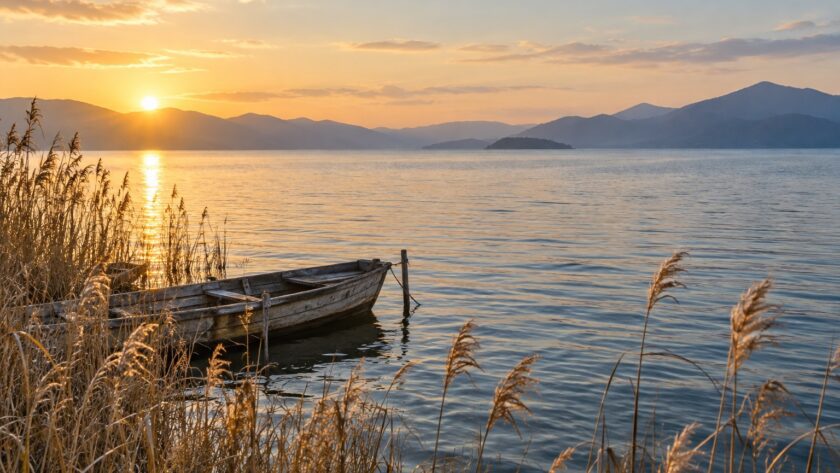
Official information checked October 10, 2026. Timetables, access, exhibitions and operating conditions may change; reconfirm with the linked operators before travel. The featured image is an AI-generated, photo-style illustration inspired by Lake Biwa’s reed-fringed shores, not a photograph of an exact location.