Kyoto is larger than the familiar image of temple roofs and lantern-lit streets. The prefecture reaches from the tea country south of Kyoto City to inland farming villages and the coast of the Sea of Japan. Its best journeys combine close attention with sensible geography: a morning among religious buildings, an afternoon learning how tea is prepared, or a night beside a bay where working boats still shape everyday life.
For a first visit, give Kyoto City three or four days and choose one additional region if your schedule allows. Uji is a straightforward extension for temple architecture and tea. Miyama offers a rural contrast, while Amanohashidate and Ine deserve a more deliberate northern journey. This guide separates these possibilities so you can build a trip around your interests instead of spending every day crossing the prefecture to collect photographs.
Plan Kyoto by Area, Not by a List of Famous Names
Begin with the city’s official destination guide and place your priorities on a map. Eastern Kyoto, western Arashiyama, southern Fushimi and the central city make useful planning areas. Two attractions that appear beside each other on a website may require a substantial cross-city journey. A satisfying day usually has one major destination, a second nearby stop and time for lunch, rather than four distant landmarks with optimistic travel estimates.
Choose accommodation to match that pattern. Staying near Kyoto Station is convenient for arrival, departure and regional excursions; a central base can suit evening dining and several urban railway connections. Before booking a traditional inn or townhouse stay, check the walk from the nearest station, luggage arrangements and any stairs. A beautiful room and an easy arrival are separate considerations, especially after a long international journey or when traveling with children.
Higashiyama: Kiyomizu-dera and the Eastern Streets
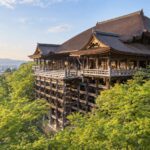
Kiyomizu-dera’s official grounds guide introduces a temple that deserves attention beyond its celebrated stage. Gates, halls, the Otowa waterfall and the hillside setting create a sequence of spaces rather than a single viewpoint. Start with the temple, then let the surrounding streets become the quieter second part of the outing. “Quieter” is a pacing choice, not a promise that a popular neighborhood will be empty.
The temple’s visitor FAQ lists an early opening, but closing times and special evening visits need checking for your date. Early arrival can reduce the pressure of a packed schedule; it does not mean that nearby shops will already be serving breakfast. Bring what you need for the first part of the morning, and plan a proper meal afterward. Wear shoes suited to hills and steps, and consult access guidance if steep approaches are a concern.
Continue toward Gion only if you still have energy for an unhurried walk. In shops, examine ceramics, textiles or sweets that actually interest you instead of treating every storefront as a compulsory stop. Keep purchases manageable if you are still walking. If renting kimono, consider the weather, footwear and return deadline before committing to a route with long climbs or distant appointments; a compact neighborhood visit may be much more enjoyable.
Gion: A Living Neighborhood with Clear Boundaries
The official message from Southern Gionmachi asks visitors to respect residents, private property and people working in the district. Follow posted access and photography restrictions. Do not stop, follow, touch or photograph geiko and maiko without permission. A narrow lane that looks inviting is not necessarily open to visitors, and a doorway is not a place to stage a photograph.
For travelers interested in performance, arrange an advertised cultural presentation rather than waiting in the street for someone to appear. For those interested in architecture, walking on permitted streets and observing details can be rewarding without entering private spaces. Keep conversation low near homes and allow people to pass. These habits also make the visit more attentive: you notice the rhythm of a working neighborhood instead of searching only for a recognizable image.
Fushimi Inari and the Separate Sake District
Use the Fushimi Inari Taisha map to understand the relationship between the main shrine, torii-lined paths and the wider mountain grounds. Decide whether you want a short shrine visit or a longer walk before setting your next appointment. Continuing uphill is optional; the most suitable turnaround point depends on the conditions and everyone in your group. Leave room on the paths for worshippers and other visitors, especially where people pause for photographs.
Fushimi’s sake-producing neighborhood is another outing within southern Kyoto, not simply the street outside the shrine. The Gekkeikan Okura Sake Museum introduces brewing history and local sake culture and recommends advance online reservations. Check the current booking details before planning around a tasting. Combine the museum with a walk in its surrounding district, and arrange a return journey that does not involve driving or cycling after drinking.
It is possible to include both Fushimi experiences in one day, but connect the actual station and museum entrance rather than relying on the shared district name. Travelers who prefer one theme can devote more time either to the shrine walk or to brewing history. If adding Uji afterward, shorten the earlier visits deliberately. Otherwise, the result can be three partial experiences interrupted by transport and a rushed late lunch.
Arashiyama: Give the Garden as Much Time as the Bamboo
In western Kyoto, Arashiyama works best as an area to explore rather than a quick bamboo-grove photograph between other appointments. Tenryu-ji’s admission guide distinguishes the garden, temple buildings and separate Dharma Hall admission. Opening conditions are not identical, and ceremonies can affect access. Decide what you want to see before buying tickets, especially if your priority is a particular interior rather than a garden walk.
Build the outing around the garden, nearby bamboo paths and time beside the river. The area has stations belonging to different railway companies, so select the route that fits your starting point and final destination. Do not assume that every station named Arashiyama is in the same place. A boat trip, scenic railway journey or more distant temple can become the day’s main addition, but each needs its own operating and reservation check.
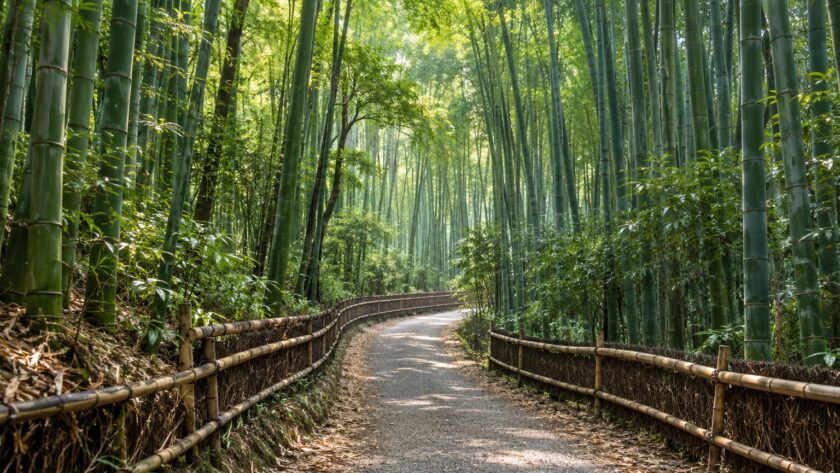
Photographs of empty bamboo paths can create unrealistic expectations. If a path is busy, keep moving with the flow and use a short pause where there is space instead of blocking a passage until it clears. For a more personal memory, focus on light, leaves or the texture of a fence. A visit can be worthwhile without reproducing the same composition that brought everyone else there.
Central Kyoto: Nijo Castle and Food Culture
Nijo Castle’s visitor guide separates castle admission from visits to the Ninomaru and Honmaru palaces. Check the ticket combinations and each building’s closure calendar instead of assuming that one opening notice covers everything. This is a useful central anchor for visitors interested in political history and formal architecture. Choose the components you can appreciate comfortably, leaving time to read explanations and understand how the spaces relate.
For a different view of the city, Nishiki Food Market introduces ingredients such as Kyoto vegetables, dried foods and yuba, or tofu skin. Shops keep their own schedules. Eat purchases at the shop’s permitted eating area or take them away; the market asks visitors not to eat while walking. Treat the visit as a chance to understand ingredients, not only a succession of snacks photographed in a crowded aisle.
A full restaurant meal adds something different from market browsing. You might choose a carefully arranged seasonal menu, a simple noodle lunch or dishes built around tofu and vegetables. Explain dietary requirements when booking, since a dish that appears plant-based may contain fish stock. Keep one meal flexible for the neighborhood you end up exploring, but reserve any special dinner early enough that it supports the day’s route rather than forcing a frantic return across town.
Uji: Temple Architecture, a River Walk and Tea
Uji makes a rewarding day beyond the city center. At Byodoin, the Phoenix Hall, grounds and Hoshokan Museum offer complementary experiences. Check the specific arrangements for entering the Phoenix Hall, since that visit has conditions distinct from general admission. The temple publishes operational notices, including seasonal changes; do not assume a nighttime opening will be available just because photographs from a previous year show one.
Give the temple the first substantial part of your day, then plan a tea experience and a riverside walk. Uji’s official tea information provides a starting point for understanding its connection with tea culture. A tasting is especially useful if you ask how the tea should be brewed at home. Compare aroma, temperature and preparation rather than expecting every green tea to taste like the matcha used in a sweet dessert.
JR Uji and Keihan Uji are different stations, so check which route is useful for your accommodation or onward journey. If your main interest is tea, reserve a suitable workshop or tasting before filling the day with other stops. A packed sequence of famous shops can leave less time to learn than one well-chosen session. Consider buying a modest quantity of tea with clear brewing instructions instead of choosing solely by elaborate packaging.
Wazuka and Miyama: Choose One Rural Contrast
For tea landscapes, Wazuka’s official cycling introduction explains the town’s hillside fields and local exploration options. This is working farmland: stay on permitted routes and do not enter plantations or touch equipment without permission. A guided visit can provide context that a roadside photograph cannot. Check the meeting point, transport connection and terrain before booking; green hills can involve more effort than a flat map suggests.
For a different rural setting, Miyama’s thatched village preserves a concentration of traditional farmhouses in the Kita area. Public transport involves a railway journey toward Sonobe or Hiyoshi and a connecting local bus, according to the prefectural tourism guide. Confirm current services and your return before leaving. The village and surrounding homes are part of everyday rural life, so keep to public routes and businesses that welcome visitors.
These are alternative days, not neighboring stops to squeeze into one countryside circuit. Choose Wazuka if cultivation and tea are your main interests; choose Miyama if buildings and a rural landscape are the priority. If staying overnight, settle dinner arrangements in advance and check how you will reach the accommodation. A rural booking can be wonderful precisely because it is removed from city convenience, but that difference needs to be planned for.
Kyoto by the Sea: Amanohashidate and Ine
Amanohashidate in Miyazu introduces a coastal Kyoto that feels far removed from city streets. Its pine-covered sandbar is best appreciated at two scales: from a viewpoint that reveals its shape and at ground level among the trees. Decide which side you will start from, how you will cross or return and whether a lift, cable car or boat is part of the plan. Weather affects the value of a distant view.
A day trip from Kyoto City is possible with careful transport planning, but an overnight northern stay allows a less compressed visit. Do not treat Ine as a casual addition without checking the connecting journey. Book the accommodation and main transport first, then arrange the local day around available services. If traveling with luggage, confirm storage options rather than assuming every stop has the same facilities as a major city station.
The Ine tourism association explains the funaya as boathouses traditionally used to protect boats and store fishing equipment. Their relationship with the water is the point of the visit. The association’s visitor guidance also emphasizes that most are private property. Choose public viewpoints, an authorized guided visit or an operating boat tour; do not open doors or step into a building because it looks like an exhibit.
Keep a weather alternative for any boat activity and confirm the final bus before lingering over lunch. An overnight stay may offer a more relaxed perspective, but availability, meals and check-in arrangements should be secured ahead of time. Two northern days can pair Amanohashidate with Ine comfortably when connections cooperate. Trying to combine both with a major Kyoto City sightseeing day sacrifices the very change of pace that makes the coast appealing.
A Different Perspective: Museums and Making Things
Not every Kyoto day needs to revolve around religious architecture. The Kyoto Museum of Crafts and Design offers a way into the city’s continuing craft traditions. Consider visiting before buying souvenirs: learning about materials and techniques can make a small purchase more meaningful. Look at the current program for demonstrations or other activities rather than assuming that a particular craftsperson will be present whenever you arrive.
For railway enthusiasts or a family with different interests, the Kyoto Railway Museum provides another substantial outing. Its floor guide identifies exhibits and practical facilities, including rest areas and nursing space. Check the operating calendar and arrangements for specific experiences before promising children a particular activity. A museum day can balance several mornings of temple walking without feeling like a fallback chosen only because it rains.
If a hands-on workshop matters to you, ask about language support, minimum age, session length and what happens to the finished object. Pottery may need firing and shipping; a food experience may need advance discussion of allergies. Schedule the workshop as a fixed appointment, leaving flexible sightseeing around it. This approach is also useful for a mixed-interest group: one person can take a class while others explore nearby, provided everyone agrees on a clear meeting place and time.
Getting Around, Seasons and a Workable Itinerary
The official railway and subway guide recommends using the line that gets closest to your destination. Different operators can mean separate fares. Check a pass against your actual route instead of buying one because it sounds comprehensive. For arrival day, Kyoto’s luggage services guide describes storage and delivery options. Check deadlines and eligible accommodation before relying on same-day delivery, and keep essentials with you.
For four days, spend day one in Higashiyama, with Gion only where access permits. Use day two for Arashiyama, leaving the evening open. On day three, choose Fushimi Inari and the sake district, or replace part of that day with Nijo Castle. Devote day four to Uji. This outline deliberately leaves out famous places: it is a workable starting point, not a claim that you have covered Kyoto.
Add two nights or a carefully planned overnight for the northern coast, or substitute a rural day in Wazuka or Miyama. If time is short, remove a region rather than shrinking every visit. Keep one flexible block for rain, fatigue or an exhibition that catches your interest. Families and travelers with limited mobility can use the same geographical structure while choosing shorter walks and checking access at each venue.
Spring flowers and autumn foliage vary with location and weather; verify current reports before making them the sole purpose of a journey. Summer calls for more breaks and less ambitious midday walking. Winter can reward a slower urban visit, but northern and rural excursions need their own weather checks. Whatever the season, reserve the experiences that matter most, then leave enough room to notice the craft, food and daily routines between Kyoto’s landmarks.
Official information checked October 10, 2026. Confirm current opening days, reservations, transport and local access rules with the linked organizations. The featured image is an AI-generated, photo-style illustration inspired by western Kyoto’s bamboo groves, not a photograph of an exact location.