Mie brings together three very different travel experiences: the wooded approaches of Ise Jingu, the working coast of Toba and Shima, and the mountain paths of the Kumano Kodo. Inland, Iga adds ninja history, while Matsusaka offers a satisfying combination of food and old-town walking. The pleasure of visiting is in the changes of pace: a quiet shrine morning, a conversation over grilled seafood, then a day when your main task is following a forest path.
The challenge is geography. Mie stretches far enough that a list of attractions can disguise a demanding journey. For a first visit, spend three or four nights around Ise, Toba, and Shima, then add a separate inland or southern extension if time permits. This guide explains the choices, with an itinerary designed to leave room for meals, local transport, and the unexpected pleasures of staying a little longer.
Choose Your Part of Mie First
The Japan National Tourism Organization’s Mie overview introduces the prefecture’s shrines, coastal attractions, ninja heritage, and food. To turn that variety into a workable trip, separate it into three routes. Ise-Shima is the strongest all-round introduction. Iga is an inland destination best chosen deliberately for its history and activities. Southern Mie suits travelers who want pilgrimage walks and coastal towns, with more attention to train and bus connections.
Ise is a practical base when the shrines are your priority. Toba works well for maritime attractions and outings to coastal communities. Shima is attractive for bay scenery and a slower hotel stay. Before choosing accommodation, check the exact station, any shuttle arrangements, and whether dinner is available. A beautiful waterfront address can be inconvenient without a car if the last local connection leaves before your planned restaurant meal.
For only two days, concentrate on Ise and one nearby coastal stop. Four full days can comfortably combine Ise, Toba, and Shima, with Matsusaka as an optional change of scene. Iga or Kumano deserves additional time rather than a hurried detour. These are planning suggestions, not minimum requirements: a traveler fascinated by shrine traditions or marine culture may prefer to devote the entire stay to one area.
Ise Jingu: Understand the Visit Before You Arrive
Ise Jingu is a network of shrines centered on Naiku and Geku. The official introduction explains that Naiku is dedicated to Amaterasu-Omikami and Geku to Toyo’uke-no-Omikami. The main sanctuaries are places of worship, and their innermost courtyards are not open to visitors. Come for the approach through the grounds, the restrained architecture, and the experience of a living religious place, rather than expecting to tour an ornate interior.
The shrine’s official access guidance recommends visiting Geku before Naiku. Treat these as two separate stops with a transfer between them, not adjacent entrances to the same attraction. Start early enough to walk without rushing, then continue to the Naiku area and leave time for lunch afterward. If you arrive in Ise late in the day, consider visiting Geku first and saving Naiku for the following morning.
Read the official prayer and etiquette guide. It explains purification and the sequence of two bows, two claps, and a final bow. Photography is prohibited in the prayer area, and eating and drinking belong only in designated places. Follow signs and staff instructions when ceremonies affect the route. You can visit respectfully without trying to photograph every moment; keeping the camera away near worshippers also makes the setting easier to appreciate.
Comfort matters here. Gravel paths and substantial walking can be tiring, especially when combined with luggage and a busy shopping street. Wear shoes that work on uneven surfaces, store large bags before beginning, and check detailed access arrangements if your group needs assistance. Leave your afternoon flexible: the most valuable part of this visit may be the time you spend walking slowly between the obvious landmarks.
Oharaimachi, Okage Yokocho, and an Ise Lunch
After Naiku, explore Oharaimachi, the traditional approach with shops and places to eat. JNTO’s Oharaimachi guide also introduces Okage Yokocho, a district that recreates the atmosphere of earlier Japanese streets. Enjoy it as a lively visitor area, rather than assuming every building is an untouched historical survivor. A good approach is to eat first, browse afterward, and keep purchases small enough to carry comfortably.
Ise udon offers a distinctive noodle lunch: the emphasis is on soft, thick noodles rather than the firm texture some travelers expect from udon elsewhere. The Ise City Tourism Association’s food guide describes local versions and other snacks around the shrine approach. Menus and seasonal offerings change, so choose from what is actually available on your visit. Ask about stock and toppings if you avoid fish, egg, or other ingredients.
For a food-focused afternoon, choose one proper meal and one sweet instead of joining several queues simply because they are long. Take your food to a designated eating space and return packaging where the seller permits. If you are staying in Ise, consider leaving bulky shopping until your final local outing. That keeps the shrine day pleasantly light and avoids carrying souvenirs onto every later train.
Futami and Meoto Iwa
Futami makes a manageable coastal addition to an Ise-based stay. Meoto Iwa, the paired rocks joined by sacred ropes, sit beside Futami Okitama Shrine. The official JNTO guide to Meoto Iwa explains their religious symbolism and the seasonal appeal of sunrise. The familiar photograph of the sun between the rocks depends on the time of year and conditions; it is not a view to promise for every morning.
Choose a normal daytime visit if you would rather avoid arranging transport before dawn. Walk the coast, visit respectfully, and allow time to return to your station or bus stop. In rough weather, keep well back from exposed edges and follow local restrictions. Futami can be a refreshing half-day, but it need not be forced into the same day as both principal Ise shrines and every shopping street.
Toba: Pearls and the People of the Sea
Toba is a useful place to understand how the sea supports local livelihoods. The Mikimoto Pearl Island museum explains pearl formation, cultivation, and the relationship between people and pearls through exhibits, models, and jewelry. Give the displays enough time before heading to the shops. Understanding the cultivation process makes browsing more interesting, even if buying jewelry is not part of your plan.
Ama culture is another important part of this coast. Ama divers gather marine resources without scuba tanks, and visitor experiences can introduce their work through conversation and food. The regional experience guide describes ama-hut visits, including meals around the hearth. Treat the hosts as people sharing their knowledge and working lives. Ask before taking portraits, and leave room for listening instead of approaching the meal only as a photo opportunity.
For a specific booking, use an operator such as Ama Hut Hachiman to confirm the menu, meeting place, language support, and transport. Do not assume an ama-hut lunch includes observing a real dive; those are different experiences. Clarify shellfish allergies and other dietary needs before reserving. Coastal venues may be well outside central Toba, so the return journey deserves the same attention as the reservation itself.
Shima and Ago Bay: Leave Time for the View
Ago Bay’s indented shoreline creates a landscape of sheltered water, wooded land, and small islands. For an overview, the official Yokoyama View Point listing introduces one of the area’s best-known panoramas. Plan the last stage from the station carefully: reaching Shima by train does not mean every viewpoint is immediately beside a platform. Check the current approach and walking requirements, particularly if steep sections would be difficult for your group.
A cruise offers a different perspective. The regional Ago Bay cruising page describes one service departing from Shima Mediterranean Village. There are different departure points around the bay, so make sure your chosen boat and transport plan refer to the same pier. Recheck operating conditions on the day. If wind or weather disrupts sailing, an unhurried hotel stay or indoor attraction is a better alternative than pursuing another boat at any cost.
Shima is especially rewarding when you give it an evening as well as a sightseeing afternoon. Choose accommodation according to the experience you want: a sea view, a particular meal, or easy station access. Confirm the dinner deadline if it is included in your stay. A resort night loses much of its value if you arrive too late to enjoy the room, surroundings, and food you chose it for.
Matsusaka: A Food Stop with More to Explore
Matsusaka is closely associated with its richly marbled beef, but it also has a history as a prosperous merchant town. The prefecture’s Matsusaka guide brings together castle ruins, old residences, local cotton, and food. Pair a walk with lunch rather than traveling solely for a rushed meal. The castle site is a ruin, so approach it for stonework and town context rather than expecting an intact tower interior.
Decide your food budget before selecting a restaurant. Compare the cut, portion, and style of service, not just the word “Matsusaka” on a sign. A carefully chosen lunch may fit your trip better than a large formal dinner after several days of rich hotel meals. If beef is not your priority, the town can still work as a historical stop; check which houses or museums are open before committing the afternoon.
Iga: Make Ninja History a Separate Outing
Iga lies inland and changes the character of a Mie trip. The Iga-ryu Ninja Museum introduces a house with concealed features, tools, and explanations of ninja techniques. Its performances and optional activities have separate arrangements, and shows do not necessarily run every day. Check the calendar before promising a performance to children, then build the rest of your visit around what is actually scheduled.
Transport requires attention to station names. JNTO’s Iga access guide distinguishes Iga-Ueno and Iga-Kambe from Uenoshi in the town center, with onward local connections. Search for the destination nearest your attraction instead of stopping at the first station containing “Iga.” For a short coastal holiday, leave Iga for another trip; for a longer journey from Osaka or Kyoto, it can become a deliberate inland chapter.
Southern Mie and the Kumano Kodo Iseji
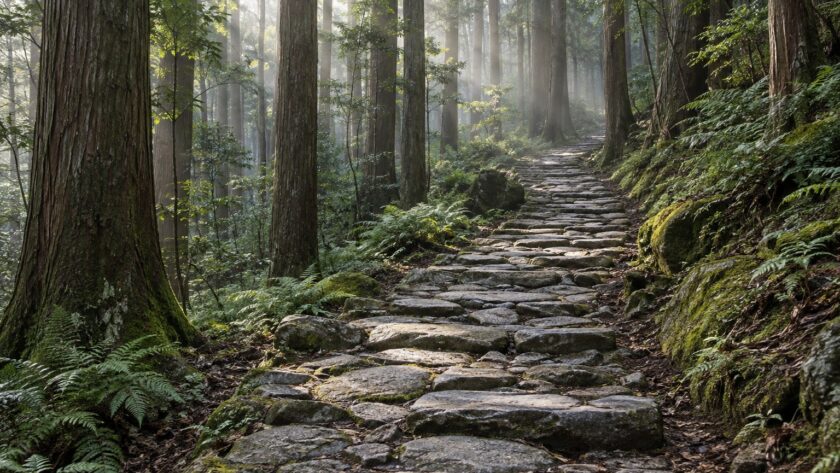
The Iseji is part of the Kumano Kodo pilgrimage network, but visiting it does not require committing to a multi-day trek. Mie’s official maps and brochures include individual walking routes and access information. Magose-toge and Matsumoto-toge are two well-known options. Choose one route according to its terrain, available daylight, and your actual return transport, rather than selecting only the photograph you like best.
The official Iseji FAQ provides planning guidance and information about local guides. A guide can add context to stones, passes, and small religious sites that otherwise look like isolated features along a pretty path. Reserve ahead if interpretation is central to your visit. For independent walking, carry a route map, water, food, and footwear with grip; wet stone paving should not be treated like a smooth city pavement.
Use a southern base such as Owase or Kumano when the walking is a main purpose of your trip, checking which town best serves your selected trail. JNTO’s Kumano-area guide helps distinguish the southern coast from the Ise-Shima circuit. Do not casually attach a long walk here to a day that begins with shrine sightseeing in Ise. The train journey, trail access, and onward travel all need their own space.
Before setting off, confirm current trail notices and the weather locally. Download maps in advance, tell your accommodation your intended route, and set a turnaround time that preserves daylight. Keep a lower-effort alternative available if heavy rain or fatigue changes the plan. The point is to experience the landscape attentively, not to complete a particular pass regardless of conditions.
Another Option: Northern Mie for Families and Motorsport Fans
Not every Mie trip needs to begin at Ise. The JNTO guide to Nagashima, Yokkaichi, and Suzuka introduces amusement parks, the motorsport setting of Suzuka, and industrial waterfront scenery. This northern area can suit a shorter visit based around Nagoya. Choose it when rides or racing are the main reason for traveling, rather than adding it to an already full coastal itinerary.
For a specific race, confirm the event’s own calendar and ticket arrangements before booking accommodation. A circuit visit on an ordinary day is not the same experience as attending a major event. For theme parks, check operating days and age or height restrictions against your family’s interests. One full day at the attraction may be more enjoyable than trying to combine it with a distant shrine visit.
A Four-Day Ise-Shima Plan, with Optional Extensions
Day one: arrive in Ise, leave luggage at your accommodation, and visit Geku if there is ample time. Explore the station area and have an uncomplicated dinner. Avoid making your arrival depend on the last admission at a distant attraction. If travel takes most of the day, simply settle in and begin the shrine visit fresh the next morning.
Day two: visit Naiku, followed by Oharaimachi and Okage Yokocho. If Geku remains unvisited, start there and allow the day for both shrines and lunch. Keep Futami optional; it is more enjoyable as a calm coastal outing than as the final item on an exhausted checklist. Stay in Ise again if you prefer to minimize packing.
Day three: travel to Toba and choose a pearl-focused visit or a reserved ama-hut experience. Do both only when the transfer and meal times comfortably align. Day four: continue to Shima for a viewpoint, a cruise if conditions permit, or a leisurely stay by the bay. Matsusaka can replace part of this coastal time for travelers more interested in food and town history.
With additional days, choose Iga or southern Mie as a separate extension and change accommodation accordingly. Resist the temptation to keep the same coastal hotel while making increasingly long return trips. For a shorter version, retain Ise and Toba and save the rest. This leaves you with a coherent journey rather than a collection of places seen mainly through station windows.
Transport, Seasons, and Booking Priorities
Kintetsu is a major option for reaching Ise-Shima from the Nagoya and Kansai areas. Its limited-express booking FAQ explains an important distinction: the online limited-express ticket does not include the basic fare. Make sure both parts of your journey are covered. For its e-tickets, follow the current display requirements; a saved screenshot is not accepted as a substitute for the actual e-ticket screen.
If the train itself is part of your holiday, check Kintetsu’s Shimakaze information for operating days, seat choices, and supplements. Otherwise, prioritize a departure that fits your hotel and activity times. Compare passes only after plotting the route, including local buses. A pass that suits Ise-Shima may not solve the different transport needs of an Iga detour or a southern walking trip.
Spring and autumn are appealing for longer walks, while summer is best approached with shade breaks and flexible coastal plans. Winter can suit shrine visits, food, and bay accommodation, with shorter daylight shaping outdoor days. Check weather and event calendars for your dates rather than relying on broad seasonal descriptions. Book the experiences with limited capacity first, then leave the surrounding walks and meals flexible.
Information checked on October 10, 2026 against the official sources linked above. Schedules, admission arrangements, trail conditions, and menus can change. The featured image is an AI-generated, photo-style illustration inspired by the Kumano Kodo Iseji in Mie, not a photograph of an exact trail segment. This article combines desk research with original itinerary planning and does not claim a firsthand visit.