Aichi rewards travelers who enjoy seeing how things are made. A morning can move from the woodwork of a palace to a working loom demonstration, while another day might lead through a neighborhood built around pottery kilns. Nagoya provides the big-city base, but the surrounding towns give the prefecture much of its variety: Inuyama for castle history, Tokoname for ceramics, Nishio for matcha, and Nagakute for Ghibli Park.
The easiest first visit is a three- or four-night stay with one main outing each day. You do not need to collect every attraction, and you do not need a car for the core route. This guide focuses on choosing destinations that fit together, leaving enough time for workshops, meals, and the small discoveries that disappear when every train connection becomes a deadline.
Understanding Aichi and Choosing a Base
Aichi lies in central Japan’s Tokai region, with Nagoya as its largest urban hub. The Japan National Tourism Organization’s Aichi overview introduces the prefecture’s mix of industry, historic towns, and ceramic traditions. For planning purposes, imagine separate spokes from Nagoya: Inuyama to the north, Nagakute to the east, Tokoname toward the airport to the south, and the Mikawa area farther east and southeast. Combining attractions on different spokes usually means returning through a major interchange.
Stay near Nagoya Station if arrivals, departures, and regional excursions dominate your trip. Sakae suits travelers who want shopping and evening dining close to their hotel. Neither choice eliminates city travel, so compare the actual walk from your hotel to the correct entrance rather than selecting a property simply because its listing says “central.” For families, a slightly larger room and an uncomplicated breakfast can be more useful than a dramatic skyline view.
Two full days allow an introduction to Nagoya and one excursion. Four full days support a more balanced combination of city history, Inuyama, pottery, and a specialist attraction. Add a further day for Nishio or Okazaki instead of squeezing either between major sights. These are suggested allocations, not a claim that every traveler needs the same pace: museum enthusiasts and shoppers can happily spend longer in a single district.
Spending more time in the city? Our two-day Nagoya itinerary explains how to combine the palace, Osu, Atsuta Jingu, and a major museum, with transport-pass comparisons, local food advice, and a practical spending plan.
Nagoya Castle: Plan for the Palace
Nagoya Castle is an excellent starting point, but understand what your visit includes. At the time of checking, the castle’s official website states that the tower keep cannot be entered. The grounds and restored Hommaru Palace therefore deserve the emphasis in your plan. Do not book a visit expecting an ascent inside the main tower, and recheck current access notices before traveling.
The Hommaru Palace visitor guide explains its reconstruction through traditional craftsmanship. Look closely at the changing detail between rooms, the timber, and the decorative screens. This is a reconstructed palace, so appreciating the skill behind its recreation is more rewarding than assuming every surface is centuries old. Visitors remove shoes; follow the rules on bags, photography, and touching surfaces. Give this stop a generous morning rather than treating it as a quick exterior photograph.
A sensible city day pairs the castle with lunch and one walkable shopping area. Leave a gap between the palace and your next timed activity in case there is an entry queue. Travelers who need step-free access should check the specific route and interior arrangements in advance; a broad statement that a large attraction is “accessible” may not describe every room or approach.
Atsuta Jingu and Osu: Two Different City Walks
Atsuta Jingu offers a quieter change of rhythm. The shrine’s official introduction describes its religious significance and association with the sacred sword Kusanagi. Visit for the atmosphere of an active place of worship, with time to walk its approaches and observe respectfully. Keep voices low near worshippers, follow photography signs, and allow ceremonies to take precedence over your sightseeing route.
Osu is a livelier choice for an afternoon. Around Osu Kannon, shopping streets bring together casual food, clothes, collectibles, and small businesses. The JNTO shopping guide places Osu alongside Sakae while explaining their different character. Start with a loose loop and explore side streets according to your interests. If you find a snack you want to try, stop where the vendor permits eating rather than carrying it through a crowded passage.
Check the Osu shopping district’s official site for events during your dates. A festival can transform the experience, but it also changes how much walking and browsing is realistic. Keep important luggage at your accommodation when possible. You will enjoy both the shrine and the shopping streets more with a small day bag and no need to search for storage halfway through the day.
Choose a Museum That Matches Your Interests
The Toyota Commemorative Museum of Industry and Technology in Nagoya connects textile machinery with automobile manufacturing. Its working demonstrations make it especially useful for understanding processes, rather than simply looking at finished products. Allow enough time to follow a demonstration from beginning to end. It can be a satisfying main attraction even if you have little interest in cars, because the story begins with making cloth and solving mechanical problems.
Rail enthusiasts may prefer the SCMAGLEV and Railway Park in Nagoya’s port area, with rolling stock, railway displays, and simulators. Treat it as a substantial visit, not an extra stop between lunch and an early train. Review the museum’s visitor information for closing days and simulator arrangements. A ticket to enter a museum should not be assumed to guarantee every optional experience.
Choose one of these museums for a short stay. If your group has mixed interests, agree on a meeting time and let people explore different displays at their own pace. Keep a museum option available for wet weather, but confirm its operating calendar before rearranging the entire trip. A rainy Monday or Tuesday is not automatically a workable museum day.
Inuyama: A Castle and Its Town
Inuyama offers a change of scale from Nagoya. Its castle stands above the Kiso River, and the official castle history describes its development and surviving keep, now designated a National Treasure. Looking at the building in its river setting helps explain its strategic position. Make the castle your first anchor, then leave time for the town below instead of arriving close to the final admission deadline.
The Inuyama tourism association publishes current castle information, including crowd guidance. Check the conditions for the keep if steep historic interiors are a concern for anyone in your group. A worthwhile day does not depend on everybody climbing every part of a building: the town, exterior views, and a relaxed meal can still form a satisfying visit.
For your own itinerary, budget most of a day for the outing, including travel from Nagoya. Keep lunch flexible if the main streets are busy. Decide on one souvenir or snack stop you genuinely care about, then wander without trying to visit every fashionable shop. This also leaves a margin for the return journey, especially if you have an evening reservation in Nagoya.
Tokoname: A Landscape Shaped by Pottery
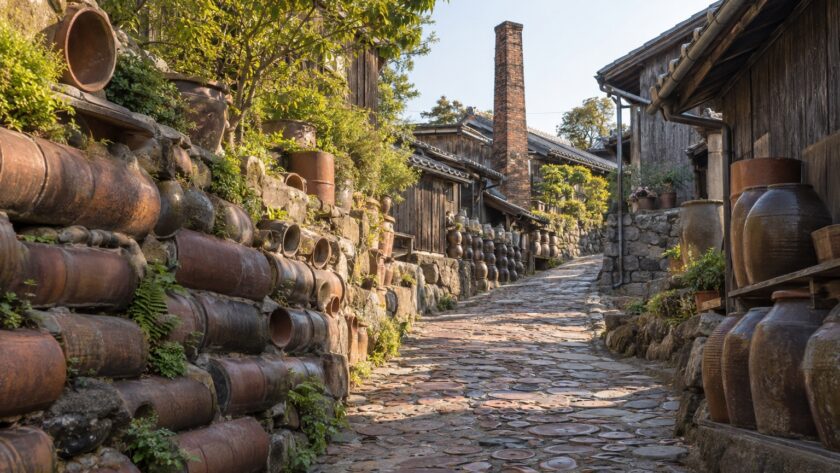
Tokoname is particularly rewarding for travelers who notice materials and everyday design. The city’s official Pottery Footpath guide describes two routes: the shorter Course A is 1.6 kilometers, while Course B covers four kilometers. Both begin at the Ceramics Hall. Along the district’s lanes, pottery appears not only in shop windows but also in walls and paving, with historic kilns and brick chimneys recalling the scale of local production.
Choose the shorter route if you want time to browse studios and have a café break. Walking distance alone is a poor estimate of this visit: examining a cup, talking about a glaze, or watching a workshop can take longer than reaching the next landmark. If you hope to make something, book directly with a studio and check language support, firing time, and whether finished pieces can be shipped.
The neighborhood includes private homes. The official Tokai and Tokyo route guide specifically asks visitors to respect private property and notes the narrow roads. Stay on the public route, avoid peering through windows, and step aside before taking photographs. Carry purchases carefully and ask sellers about packing ceramics for onward travel. A few well-chosen pieces are easier to protect than a bag of impulsive purchases.
Ghibli Park: Build the Day Around Your Reservation
Ghibli Park is in Nagakute, within Expo 2005 Aichi Commemorative Park. It is a different destination from the Ghibli Museum in Tokyo. Start with the official overseas ticket page and choose a ticket according to the areas and buildings you want to enter. Admission is reservation-based, and different passes provide different access. Check the assigned entrance time for Ghibli’s Grand Warehouse and all other conditions attached to your chosen pass.
The park’s directions identify Ai-Chikyuhaku Kinen Koen Station on Linimo as the rail access point. Plan the journey from your actual hotel, including transfers and the walk to your first attraction. Leave the rest of that day relatively open. Spreading your attention across a large park is more enjoyable when you are not trying to hurry back for a second major sightseeing destination.
If tickets are unavailable, keep the rest of your Aichi trip intact. A museum day or additional time in Tokoname can replace the booking without changing hotels. For families, discuss which areas matter most before purchasing: the broad idea of visiting a favorite film world does not mean that every building, activity, and admission time works equally well for every child.
Beyond the Core Route: Nishio and Okazaki
Nishio is a strong extra day for tea enthusiasts. The local tourism association’s matcha guide lists tea shops, cafés, and experiences, including activities requiring reservations. Select an actual tasting or production-related visit as the day’s anchor, then organize transport around it. A matcha dessert is enjoyable, but a guided experience can also help you understand the differences between the powders you might buy to take home.
Okazaki is another option for travelers interested in the Tokugawa story. Its official castle-park walking course links the castle and associated sites to Tokugawa Ieyasu’s birthplace. Choose this outing if history is a stronger priority than another shopping day. For a short first visit, choose Nishio or Okazaki rather than assuming both will fit comfortably into an already crowded day.
What to Eat and How to Plan Meals
Nagoya’s food is a good reason to leave evenings unhurried. The city’s official restaurant directory helps you explore specialties such as miso-katsu, miso-nikomi udon, kishimen noodles, tebasaki chicken wings, and hitsumabushi. Spread different dishes across your stay instead of ordering a large collection at one sitting. A substantial lunch can be followed by a simpler noodle dinner, leaving room to enjoy another specialty the next day.
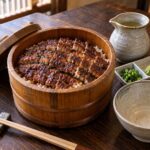
Hitsumabushi combines grilled eel and rice with accompaniments that change how successive portions taste. The Shirakawa restaurant website provides one producer’s introduction to the dish. Follow the restaurant’s serving guidance, and compare menus before queuing if price matters. Travelers with dietary restrictions should confirm ingredients directly: a dish that appears vegetable-based may still contain fish stock, and sauces are part of the ingredient question.
A Flexible Four-Day Aichi Itinerary
Day one: settle into Nagoya, visit the castle grounds and Hommaru Palace, then choose Osu or Sakae for the afternoon. Keep your first evening near the hotel. If you arrive late, move the palace to another morning rather than attempting it between check-in and closing time. Your arrival day should absorb delays without undermining an expensive reservation.
Day two: take a full-day outing to Inuyama. Put the castle first, then make time for lunch, town streets, and the river setting. Return to Nagoya with enough margin for a relaxed dinner. In poor weather, swap this with your museum day if opening calendars allow; avoid making every day dependent on fine skies.
Day three: devote the day to Ghibli Park if you have tickets. Otherwise, choose the Toyota museum or railway museum, adding Atsuta Jingu only if your pace and transport connections allow. Day four: visit Tokoname, with an unhurried pottery walk and browsing. If you are flying out that day, shorten the outing according to your airline’s check-in requirements and leave a generous airport buffer.
For a fifth day, choose Nishio or Okazaki. For only two days, retain Nagoya and the single excursion that interests you most. This structure deliberately leaves choices open: a good itinerary should help you remove unnecessary travel, not make you feel that skipping a destination means failing to experience the prefecture.
Make the Route Work for Your Travel Style
Traveling with children is easier when each day has one clear highlight and one optional stop. Let them choose between a train-focused museum, pottery browsing, and a castle outing before you finalize reservations. Bring a small activity for train rides, and avoid scheduling a formal meal immediately after a long attraction visit. If energy runs low, an early return to the hotel is a useful adjustment rather than a wasted afternoon.
For travelers interested in craft, reserve part of the budget for a purchase you will use at home. Before buying a teapot, ask about capacity, cleaning, and the kind of tea it suits. Before booking a pottery class, clarify whether the advertised experience involves shaping clay or decorating an existing piece. These details can matter more than the length of the session. Keep fragile purchases with you when practical, and check airline baggage limits before collecting several heavy items.
On your final night, decide which parts of the next day are genuinely optional. Pack souvenirs, confirm the airport or onward rail route, and separate essentials from stored luggage. If Tokoname is your departure-day excursion, establish a firm leaving time before beginning the walk. If your flight is early or the weather is unsettled, move the pottery visit to a previous day. A calm departure is worth more than one last rushed attraction, particularly when an international flight follows.
Transport, Seasons, and Final Practical Details
Nagoya is a major rail gateway, and Centrair is a useful arrival point for Aichi. Check the airport’s official transport information for your terminal and travel date. Its Nagoya Station transfer diagrams are especially useful because JR, Meitetsu, and other services use different parts of the station complex. Allow time to find the correct operator, not just the nearest ticket gate.
For the central route, compare individual fares with any pass only after choosing your destinations. A rail pass is useful when it covers the services you will actually ride; its name alone does not establish coverage of every local operator. Save hotel addresses and booking confirmations offline. Before a regional outing, check the return connection and any timed admission together, so a small delay does not force you to abandon the main reason for traveling.
Spring and autumn suit a walking-focused plan, while summer calls for shorter outdoor stretches and regular indoor breaks. Winter can work well for museums, food, and craft shopping, provided you dress for exposed walks. Check forecasts rather than relying on a seasonal label. Comfortable shoes, a light bag, and a willingness to spend longer in fewer places will do more for this trip than an ambitious list of distant stops.
Information checked on October 10, 2026 using the official sources linked above. Opening arrangements, ticket conditions, transport services, and prices can change. The featured image is an AI-generated, photo-style illustration inspired by Tokoname’s pottery district, not a photograph of an exact street or viewpoint. This guide is based on desk research and original itinerary planning, not a claimed firsthand visit.