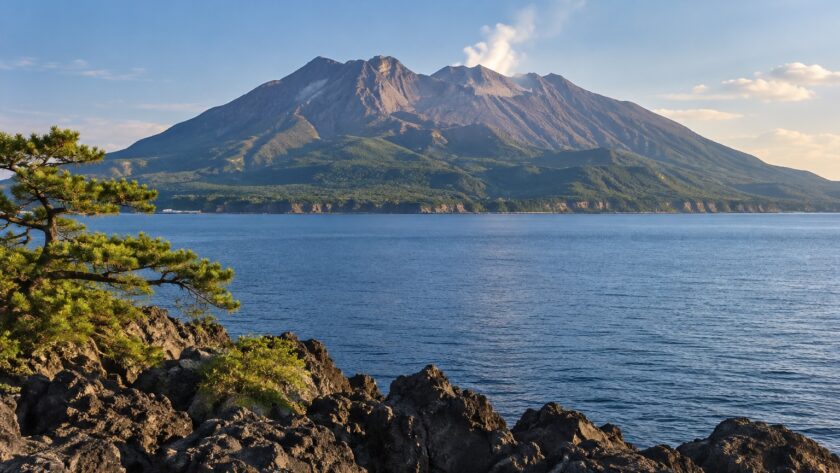
Kagoshima asks you to think beyond a single city. At the southern end of Kyushu, a bay divides two peninsulas, volcanic mountains shape the skyline, and islands extend far toward Okinawa. A first visit can be wonderfully simple, however: begin with the waterfront city, cross to Sakurajima, then choose a journey south to Ibusuki and Chiran or north into Kirishima. Give the islands their own time.
The appeal is in those changes of atmosphere. A ferry ride brings dark lava fields into view; a garden sets a volcano within its carefully arranged scenery; a country town invites quiet walking between stone walls. Meals, hot springs, and the practical business of watching the weather connect these experiences. This guide suggests a manageable mainland itinerary and explains when an island extension makes sense.
How Many Days Do You Need?
Allow three days for Kagoshima City, Sakurajima, and one mainland excursion. Five days give you more room for Ibusuki, Chiran, and Kirishima without turning every morning into a departure. With a week, choose a slower mainland trip or replace some mainland stops with several nights on one island. Trying to include both Yakushima and Amami Oshima in that week would leave little flexibility.
Choose your priorities before accommodation. Gardens and history fit naturally around the city and Chiran; sand bathing pairs with a coastal stay in Ibusuki; forest walks and hot springs suggest Kirishima or Yakushima. A geographically tidy itinerary is usually more rewarding than collecting every famous name. Keep one uncommitted half day so rain or a changed transport connection does not unravel the whole visit.
Getting to Kagoshima and Choosing a Base
Kagoshima-Chuo is the main arrival station for travelers using the Kyushu Shinkansen from Hakata and Kumamoto. Consult JR Kyushu’s Shinkansen information for services and reservations. Kagoshima Station and Kagoshima-Chuo are different stations, so check the full name when booking hotels or arranging a meeting. For flights, use Kagoshima Airport’s ground transport guide to connect with the city or your chosen region.
Stay near Kagoshima-Chuo if straightforward rail arrivals and early departures matter most. Tenmonkan is a useful alternative when you want restaurants and evening walks close to your hotel. Check the actual walking route with luggage, rather than accepting a broad neighborhood label. A central city base can cover the first few nights, followed by a ryokan stay if bathing and dinner are important parts of the trip.
Within the wider prefecture, distinguish a destination’s nearest station from its final access point. Rural attractions often need a bus, taxi, or additional walk. The prefecture’s local transport overview is a useful starting point. Build the return journey first when service is limited. Renting a car for a countryside segment can help, while collecting one for central city sightseeing may add unnecessary parking decisions.
Kagoshima City: Bay Views and an Unhurried First Day
Begin with an easy city day rather than committing your arrival afternoon to a distant excursion. Tenmonkan provides a lively introduction to local food and shopping, while Shiroyama Observatory offers a broader perspective across the city toward Sakurajima. The city’s official sightseeing directory helps match these stops with museums and waterfront attractions. Pick two main places and leave room for lunch.
Visibility makes a difference to a viewpoint visit. If low cloud hides the mountain, move an indoor stop forward and try the view another time. This is also a good day to learn the tram or bus route connecting your hotel with the station and ferry area. Simple orientation now makes tomorrow’s excursion feel much less complicated.
Senganen: A Garden with a Volcanic Backdrop
At Senganen, the landscape beyond the garden is part of the experience. The former Shimazu residence and grounds look toward Kinko Bay and Sakurajima, creating a relationship between domestic space and immense natural scenery. JNTO’s Senganen introduction explains the site’s seventeenth-century origins and borrowed scenery. Look slowly at how paths, planting, and framed views change the composition as you move.
Allow enough time for the house and historical interpretation if they interest you, checking what your chosen ticket includes. The surrounding history connects the Shimazu family with Kagoshima’s industrial development, giving the visit more depth than a quick garden photograph. The city’s Senganen guide provides further context. Reading the displays before walking outside helps connect the attractive setting with the ambitions and experiments that took place here.
Use Senganen’s own access page for current rail and bus options. Older travel accounts may not reflect the latest arrangements. For a relaxed visit, schedule the garden as the main event of a morning, followed by lunch and one nearby cultural stop. Trying to squeeze it between two long excursions usually shortchanges the quieter corners.
Sakurajima: Experience the Landscape at Ground Level
Sakurajima is an active volcano and a lived-in landscape. The eruption of 1914 connected the former island to the Osumi Peninsula, although the short ferry crossing remains a memorable approach from Kagoshima City. The prefecture’s Sakurajima guide introduces its lava scenery, viewpoints, and visitor attractions. Think of the excursion as observing a volcanic environment from designated places, rather than climbing toward the crater.
Start by checking the municipal ferry website for current operations. Once across, an introductory visitor-center stop can make the rocks and landforms more meaningful. Combine this with a permitted coastal walk or viewpoint appropriate to the day’s conditions. Take drinking water and protect your camera when ash is blowing; a clear-looking morning does not remove the need to follow local notices.
The Sakurajima Island View bus can simplify a first visit, but it does not cover every attraction around the peninsula. Read the prefecture’s Island View access guide before choosing stops. Match your plans to the actual route and departure times. A modest loop with time off the bus is preferable to an ambitious circuit that depends on a connection you have not checked.
Consult Japan Meteorological Agency volcanic warnings and local access information shortly before visiting. Restrictions are specific to volcanoes and areas, and can change. Do not interpret an open ferry service as permission to enter a closed trail. If ash or weather makes outdoor sightseeing unpleasant, return to the city and use the flexibility you built into the itinerary.
Ibusuki: Sand Bathing and a Coastal Overnight
Ibusuki offers a different way to experience geothermal heat: a sand bath beside the coast. At Saraku, visitors wear the provided bathing garment while staff cover the body with naturally heated sand. Read Saraku’s official bathing instructions before arriving, including the procedure after the sand bath. Follow staff guidance about duration and suitability, and ask directly about access if steps or transfers may be difficult.
Plan this as a leisurely experience, with time to change, wash, and cool down afterward. Avoid treating it as a hurried appointment between trains. If you are uncertain whether heat exposure is suitable for you, clarify that before booking. An overnight stay gives you an easier rhythm and a chance to enjoy a meal without immediately calculating the return departure.
The Ibusuki no Tamatebako sightseeing train runs between Kagoshima-Chuo and Ibusuki and requires reserved seats. Its distinctive design and coastal outlook make the journey part of the day. Check operating dates and seat availability before arranging activities around it. Local trains provide a different travel experience, but compare actual schedules rather than assuming every departure has the same journey time.
Chiran: Gardens, Streets, and Difficult History
Chiran’s samurai residence district rewards walking at a slower pace. Stone walls, clipped hedges, and carefully composed gardens create a sequence of intimate spaces. The official guide to the Chiran Samurai Residence Complex describes the seven publicly accessible gardens and their protected status. Most use dry landscape design, making the placement of stone, vegetation, and open ground especially worth noticing.
This remains a town rather than a stage set. Stay within visitor areas, respect private entrances, and avoid blocking narrow passages for photographs. Allow separate time for the Chiran Peace Museum, rather than treating the two attractions as interchangeable stops. The garden district invites visual attention; the museum calls for a different kind of concentration and emotional space.
The Chiran Peace Museum’s official introduction explains its collection relating to Japanese army pilots sent on suicide attacks during the Second World War. Personal letters, photographs, and belongings place individual lives within that history. Approach the exhibits thoughtfully, with attention to the wider human costs of war. Check current language support and photography rules, and avoid scheduling a rushed departure immediately afterward.
Kirishima: Shrine Grounds, Hot Springs, and Mountain Choices
Kirishima Jingu offers a wooded setting and richly decorated shrine buildings. The present main buildings date from 1715, and the principal halls received National Treasure designation in 2022. The prefecture’s Kirishima Jingu visitor guide covers the site and access. Check onward transport from the station bearing the shrine’s name; the station is not the shrine entrance.
Combine the shrine with an overnight hot-spring stay if you want a gentle visit. The broader Kirishima area guide introduces a mountain landscape of forests, volcanic features, and bathing destinations. Choose accommodation by its actual location and meal arrangements. A hotel somewhere in the Kirishima region may be quite far from the particular trail or bath you had in mind.
Hiking requires its own decision, separate from whether the shrine and hotel are operating. Check the specific route, weather, and volcanic restrictions, and understand JMA’s volcanic alert system. Do not rely on an old itinerary that assumes every crater trail is accessible. For travelers without mountain experience, a shrine visit and a restful bath can make a satisfying day without adding a summit.
Yakushima: Give the Forest Several Days
Yakushima deserves a dedicated extension, ideally with several nights and room for weather changes. Its mountain forests, old cedars, and wet climate create a very different journey from mainland Kagoshima. The Yakushima World Heritage Conservation Center provides an introduction to the protected landscape. Choose walks around your fitness and conditions rather than assuming the best-known tree must be the goal of every visit.
Yakusugi Land offers shorter routes as well as more demanding options; the environment ministry describes a 50-minute course. Shiratani Unsuikyo provides another forest experience with moss, streams, and varied walking routes, introduced by the Japan Tourism Agency. Treat advertised durations as planning references, allowing extra time for slippery conditions, rest stops, and photographs.
Read Yakushima Town’s access guidance before matching buses with a walk. Carry appropriate rain protection and avoid assuming mobile reception will solve a missed connection. For longer hikes, seek local advice or a qualified guide. Keep a buffer before important onward travel; an island itinerary with every departure tightly connected leaves little room when weather affects transport.
Amami Oshima: A Separate Island Journey
Amami Oshima offers subtropical forests, mangroves, and an island culture with its own traditions. JNTO’s island introduction highlights the mangrove environment and distinctive wildlife. Plan several days around one island base or a carefully chosen split stay. It is an alternative extension for this itinerary, rather than a convenient afternoon addition to Yakushima or Kagoshima City.
Arrange nature activities with operators who can explain local conditions and wildlife etiquette. Keep to designated access routes and observe animals without approaching or feeding them. Food adds another reason to stay: JNTO’s Amami guide introduces keihan, a dish of rice, chicken, toppings, and broth. Leave time for everyday meals and village surroundings alongside the headline landscapes.
What to Eat in Kagoshima
Kurobuta pork is a useful starting point, whether you prefer a crisp cutlet or thin slices cooked in shabu-shabu. Satsuma-age, fried fish cakes, makes an easy addition to a meal or a smaller tasting stop. The prefecture’s food and drink guide explains these specialties alongside karukan, a light steamed confection, and the region’s shochu traditions. Ask what is locally produced when choosing a menu.
Spread tastings across the trip instead of building one overloaded dinner. Choose one substantial regional meal, another lighter meal, and a tea or sweet stop when you need a rest. Ask about fish stock, meat, and other ingredients if you have dietary restrictions. Reserve a ryokan dinner in advance and confirm arrival deadlines; a late bus can otherwise cost you the meal you most wanted.
When to Go and What to Reserve
For a first visit, choose dates around the activities you most want rather than a single promise of perfect weather. Walking through gardens, soaking in a hot spring, and hiking a mountain each call for different conditions. Check forecasts separately for the city, upland destinations, and any island you plan to visit. Pack layers when your trip crosses those environments, even if your arrival day feels warm.
During hot or wet periods, start outdoor visits earlier and leave a comfortable indoor break in the middle of the day. A garden and a long exposed walk need not share the same afternoon. In cooler weather, shorten the outdoor portion if conditions deteriorate and enjoy a longer meal or bath. The flexibility to change the order of days is more useful than a rigid timetable designed months ahead.
Book the elements that are difficult to substitute first: island accommodation and transport, a particular sightseeing train, or a ryokan whose dinner is central to the experience. Then fit city sightseeing around them. Recheck cancellation conditions when combining separate bookings. Before departure, save the address of each hotel in Japanese, download essential maps, and keep a record of the return transport you intend to use.
Small Decisions That Make the Trip Easier
Travel lighter on day trips and check luggage storage before depending on it. Carry some cash for small purchases and rural stops, while asking accommodation providers about payment and meal arrangements ahead of time. If traveling with children or someone who needs step-free access, ask each attraction about the actual route between arrival point and entrance. A short distance on a map does not describe stairs or gradients.
Keep a modest reserve in both your schedule and budget. An earlier taxi to a station, a changed outdoor plan, or an extra night can be easier to handle when every resource is not already committed. These are planning choices rather than required expenses. Spend where it improves the experience you came for, whether that means a local guide, a memorable meal, or more time in one place.
A Flexible Five-Day Mainland Itinerary
Day one: arrive, settle into Kagoshima City, and choose a waterfront walk or city viewpoint according to visibility. Keep dinner near your accommodation. Day two: visit Senganen in the morning and spend the afternoon on city history, shopping, or a cafe break. This arrangement avoids making either day dependent on an ambitious sequence of regional connections.
Day three: cross to Sakurajima, following a checked bus route or another prearranged transport plan. Return with time for dinner in the city. Day four: choose Chiran for gardens and the peace museum, or Ibusuki for sand bathing and a coastal stay. Both deserve time; travelers using public transport should avoid automatically combining them into one crowded day.
Day five: visit Kirishima if your departure arrangements support it, or finish the Ibusuki stay and return through Kagoshima City. To include both Chiran and Ibusuki comfortably, add a sixth day or replace day five’s Kirishima excursion. For an island extension, add nights after the mainland portion rather than borrowing fragments from every day. The best route is the one with enough time to enjoy its stops.
Editorial note: Official sources checked on October 11, 2026. Transport, opening arrangements, weather, and volcanic restrictions can change; follow current operator and local authority guidance. The featured image is an AI-generated illustration inspired by Sakurajima and Kinko Bay, not a documentary photograph of a specific viewpoint.