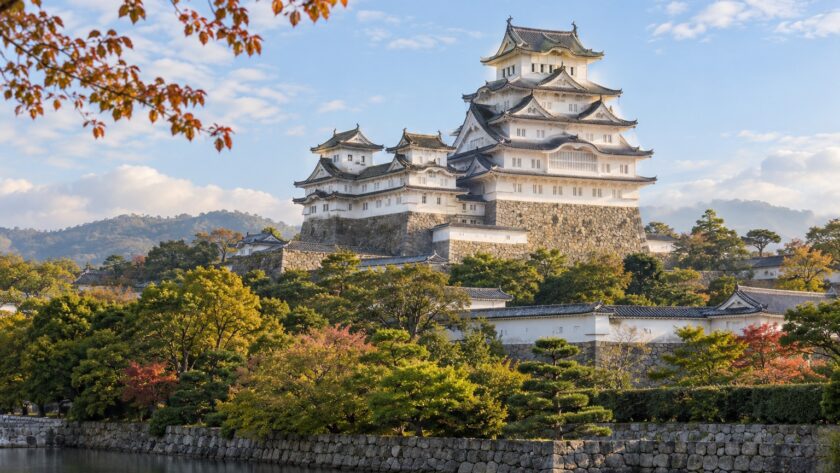
Hyogo can turn a familiar Kansai journey into a much more varied trip. In the south, Kobe opens toward the sea, with hillside neighborhoods behind its shopping streets. Farther west, Himeji Castle rises above a city made for a rewarding history day. Across the prefecture to the north, Kinosaki Onsen invites a slower overnight stay, while Awaji Island offers another direction entirely: coastal scenery, gardens, and excursions shaped by road connections rather than a dense railway network.
The challenge is choosing a route that gives these places enough time. Hyogo is not a compact collection of attractions around one station. For a first visit, combine Kobe and Himeji with either a northern hot spring stay or an island extension. This guide explains the choices, suggests a flexible four-day plan, and highlights the practical details that can make the difference between an enjoyable trip and a succession of transfers.
Choose a southern base and one extension
Begin with a map. Kobe and Himeji sit along the southern transport corridor, while Kinosaki is in the northern Tajima region and Awaji lies offshore to the south. The prefecture’s official attractions directory is useful for understanding these different areas. It is tempting to collect a port, a castle, a hot spring town, and an island on one itinerary, but each extra region adds meaningful travel time.
For a short stay, use Kobe as your base and make Himeji a separate day trip. If bathing and a traditional inn are priorities, add a night in Kinosaki rather than returning to the city immediately. If coastal drives or contemporary architecture interest you more, choose Awaji instead. Travelers with a week can include both extensions, but should still group nearby places together rather than repeatedly crossing the prefecture.
Kobe: start between the hills and the harbor
Kobe’s appeal comes partly from the contrast between its slopes and waterfront. Kitano, north of Sannomiya, contains former foreign residences associated with the city’s history as an international port. The Kitano Ijinkan association’s residence directory helps you choose a building to visit. Select one or two interiors according to your interests instead of buying admissions simply because several houses appear close together.
Walk the hillier part of the day while your legs are fresh, then come down toward the central shopping and dining streets. Allow more time than a flat map suggests: a short uphill distance can be tiring with luggage or in humid weather. A café break is a useful part of this route, especially if different people in your group want different amounts of architecture, shopping, or photography.
Later, head toward Meriken Park for the waterfront setting. Give yourself time to watch the changing light rather than treating the harbor as a quick photo stop between reservations. If the weather is windy or wet, shorten the outdoor walk and keep dinner nearby. The city is easier to appreciate when you alternate an indoor visit, a walk, and a meal rather than stacking attractions continuously.
Make Kobe beef a considered meal
Kobe beef is a defined regional brand, not a general term for any beef served in Kobe. The city’s official introduction to Kobe beef explains its connection to Tajima cattle raised in Hyogo and its quality requirements. If this meal is important to your trip, compare the actual menu, cut, portion, and cooking style before choosing a restaurant. A famous name alone does not tell you what your order includes.
Decide whether you want an elaborate dinner or a smaller lunch experience, and reserve only after checking the cancellation terms and location. Confirm that your selected course specifically includes Kobe beef if that is your intention. Leave the preceding meal modest, and avoid scheduling a demanding transfer immediately afterward. Travelers who do not eat beef can still enjoy Kobe as a full destination; no single dish needs to determine the entire itinerary.
Nada: understand the craft behind sake
A sake museum adds context to the city’s food culture. At the Hakutsuru Sake Brewery Museum, an old brewhouse contains historical equipment and displays explaining traditional production. This is a museum visit, so do not assume that entry automatically includes a guided tour through a modern working factory. Read the current visitor information if your group needs a reservation or particular language support.
Allow time to understand the tools and processes before browsing bottles. Those interested in tasting can keep their transport plan entirely on public transport; drivers should skip alcohol. Non-drinkers can focus on the building, craftsmanship, and production history. Ask how any purchase should be stored, particularly if you will continue traveling for several days, and consider the inconvenience of carrying glass bottles through a castle or onto a crowded bus.
Himeji Castle deserves a full morning
Himeji Castle is the prefecture’s essential architectural sight. Its white walls and complex rooflines conceal a carefully organized defensive structure, and UNESCO inscribed Himeji-jo on the World Heritage List in 1993. Approach it as a place to explore gradually: the route toward the keep, gates, walls, and views back across the grounds contribute as much to the visit as the highest floor.
Check the castle’s official visitor website before arrival. It specifically warns of slopes and steep, narrow stairs, with no elevators in the main keep or turrets. The interior is therefore a different physical proposition from viewing the castle outside. Comfortable clothing and manageable bags help, but travelers with mobility limitations should study access details and plan an appropriate exterior-focused visit rather than assuming the keep is accessible.
Arrive with the morning available, especially if crowds are likely. Avoid placing a tight restaurant booking immediately after the castle, since entry queues and the pace inside can be difficult to predict. Take breaks before fatigue becomes the main memory of the day. If you are continuing onward with luggage, solve storage first; searching for a suitable locker after reaching the attraction can consume the time you intended to spend there.
Koko-en: complete the Himeji day gently
Koko-en makes a natural companion to the castle, offering a change from defensive architecture to garden composition. Its official admissions page explains current entry arrangements, combination tickets, and visitor rules. Compare the available ticket options before buying your castle admission if you already know that you want both. Keep food for an appropriate dining area, and follow the garden’s instructions around paths and planted spaces.
After lunch, choose between a leisurely garden visit and a shorter day with time to rest. You do not need another major attraction simply because you traveled to Himeji. Look at how the gardens frame water, buildings, and greenery, then leave enough time to return to the station comfortably. This is particularly helpful before a reserved onward train, when an overly ambitious final stop can undo an otherwise relaxed day.
Arima Onsen: a hot spring option near Kobe
Arima works well when you want a hot spring experience without committing to a northern extension. Kobe’s official Arima guide introduces the resort’s historic streets and its contrasting spring waters, including the iron-rich, bronze-colored kinsen. Choose a public bath or an accommodation plan based on the experience you want, and check exactly what day-use admission includes before setting off.
A bath, lunch, and a short walk can fill a satisfying visit. The town has slopes, so do not equate a compact center with an effortless stroll for every traveler. Check the bath’s current opening day, towel arrangements, and house rules. If staying overnight, confirm meal times and arrive early enough to enjoy the property. A late check-in followed by an early departure leaves little space for the main reason you came.
Kinosaki Onsen: stay for the evening atmosphere
Kinosaki rewards an overnight stay because its appeal extends beyond a single bath. The official Toyooka tourism website introduces the town’s ryokan, dining, and surrounding destinations. Set aside the afternoon for arrival and the evening for a comfortable rhythm of bathing, dinner, and a short stroll. Do not treat it as an attraction to squeeze into the gap between two large-city hotel stays.
Choose your accommodation by the full stay experience: room style, dinner, breakfast, bath arrangements, and location. Confirm whether a public bath pass is included and when it is valid. Ask about dietary requirements before booking a meal plan, since a last-minute request may be difficult to accommodate. Pack a small overnight bag if a larger suitcase can be stored or forwarded conveniently under your wider travel arrangements.
Important current detail: the official bathhouse guide lists Kono-yu as closed for renovations through October 30, 2026, and Satono-yu as closed for renovations from April 2024. Recheck these notices for your dates; do not assume all seven traditional public bathhouses are operating. The public baths welcome tattoos, but accommodation baths can have different policies. Choose a few available baths instead of making completion of a circuit the goal.
If Japanese communal bathing is unfamiliar, read the official Kinosaki visitor FAQ before your first visit. Bring the required towel and pass, wash before entering the shared water, and follow the facility’s posted instructions. Keep your phone put away in changing and bathing areas. Choose a private bathing option in advance if communal bathing is uncomfortable for you; private facilities, availability, and eligibility depend on the accommodation and should not be assumed on arrival.
Plan northern travel around the inn
The journey to Kinosaki should be organized before the rest of that day’s sightseeing. Check the train and any required seat reservation, then work backward from your inn’s check-in and dinner arrangements. Keep JR West’s limited express service information available for disruption updates. A scheduled journey and an operating service are different questions, particularly during severe weather.
If you add another northern destination, choose just one and check its return connection. Nearby beaches, historic streets, and countryside are separate outings, not automatically walkable extensions of the hot spring center. A second night can be more useful than an early departure followed by another hotel check-in elsewhere. For a first visit, an unhurried morning in town may be preferable to a complicated excursion that forces you to watch the clock.
Awaji Island: decide how you will move first
Awaji asks for a different planning approach from Kobe or Himeji. The island’s official access guide lays out bus, ferry, and road connections. Check the route to your chosen destination, not merely a service that reaches the island. Reaching the northern area and reaching a southern departure harbor are different journeys, and local connections can determine how many stops are realistic.
Without a car, build the day around one well-connected area and a confirmed return service. With a rental car, group attractions geographically and include parking, tolls, and actual driving time in your budget. Avoid the urge to circle the entire island just to collect viewpoints. An overnight stay is useful if you want a coastal evening, a relaxed meal, and time for an attraction farther from the main arrival corridor.
For ideas in the north, Hyogo’s official driving itinerary includes Awaji Hanasajiki and the Akashi Kaikyo National Government Park. Treat the itinerary as inspiration rather than a fixed schedule: seasonal flowers, weather, and your starting point matter. Pick the outdoor place that suits the date, then leave room for lunch and the journey home instead of trying to reproduce every stop on a sample route.
Whirlpools: timing matters more than the photograph
A whirlpool cruise from the Fukura side of Awaji can be a memorable southern-island outing, but it needs deliberate scheduling. The operator’s official cruise timetable rates expected conditions by sailing and notes that schedules can change. Choose a departure using the operator’s current advice rather than assuming every sailing produces the same scene. Weather and natural conditions remain part of the experience.
Build in time to reach the harbor, complete boarding procedures, and recover from any road delay. Check cancellation arrangements before committing to a tightly connected onward journey. If boats are canceled or the forecast is unsuitable, retain a land-based alternative and enjoy the island at a slower pace. A dramatic promotional photograph illustrates a possibility; it cannot guarantee what the water will look like during your particular departure.
Tamba pottery for travelers who want a craft day
For a different extension, consider the pottery area of Tambasasayama. JNTO’s introduction to Tamba pottery explains its long tradition and place among Japan’s historic kiln regions. This is an appealing choice if you would rather study everyday bowls, glaze, and texture than add another large landmark. Separate the pottery area’s location from the historic town center when arranging transport.
Choose a museum, shop, or workshop as your anchor and verify opening arrangements directly. If booking a hands-on activity, ask about the language used, duration, firing, and delivery; a piece you make may not be ready to carry away that day. For purchases, ask for protective packaging and think about suitcase space. Spending longer with a few objects often produces a more meaningful visit than rapidly touring many similar shops.
A flexible four-day first visit
Use day one for Kobe: a Kitano visit, a relaxed lunch, and the waterfront later in the day. Put a special dinner here only if arrival logistics are predictable. On day two, travel to Himeji, visit the castle, and add Koko-en according to your energy. Return to Kobe for a simple evening rather than scheduling another expensive meal after a physically demanding day.
For days three and four, choose your extension. The northern version moves to Kinosaki, protects the inn’s dinner time, and leaves the following morning open before the return journey. The island version devotes those days to a manageable Awaji route with one overnight stay. With only three days, stay in the south and use the last day for Arima or a sake museum, keeping the final departure straightforward.
When booking the city nights, compare the hotel’s actual walking route from your arrival station. Sannomiya, Shin-Kobe, and Kobe Station are distinct, so a broad description such as “central Kobe” is not enough for transfer planning. Keep your last night near the connection that matters most if you have an early departure. For a mixed-interest group, agree which day is the shared highlight and allow a quieter alternative on another afternoon.
Make the trip fit the season and your group
Check conditions in each region separately. A mild forecast for Kobe does not establish what you should wear in northern Hyogo, and an island boat trip depends on more than sunshine. Keep indoor options for rain, shorter walking plans for heat, and time margins during disruptive weather. Choose footwear for castle stairs and sloping streets, not only for station platforms.
Budget around the costly choices first: an inn with meals, a Kobe beef dinner, long-distance transport, or a car-based island stay. Then add everyday food, admissions, and local travel. Compare passes only after the route is settled. Above all, leave space between the prefecture’s contrasting experiences. A harbor evening, an absorbing castle visit, and a quiet hot spring morning each deserve to feel like a destination rather than a brief stop on the way to somewhere else.
Editorial note: Official information was checked on October 10, 2026. Reconfirm transport, admission, bathhouse renovations, opening days, and weather-dependent services before travel. The featured image is an AI-generated, photo-style illustration inspired by Himeji Castle, not a documentary photograph or an exact-viewpoint record.