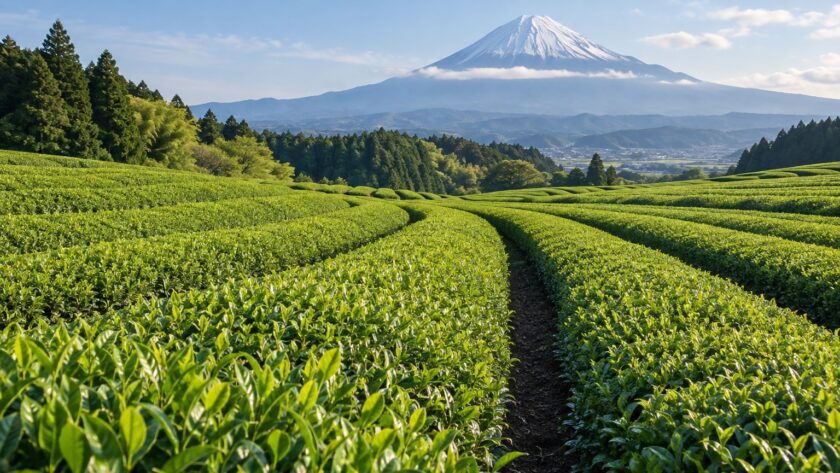
Shizuoka is a place to stop between Japan’s big cities and let the journey become more varied. A morning might begin with tea, continue beside a pine-lined shore, and end with a small plate of seafood. Mount Fuji gives the eastern landscape an unmistakable outline when the weather cooperates. Elsewhere, the Izu Peninsula offers volcanic coastlines and hot spring towns, while Hamamatsu introduces a world of musical instruments and lakeside leisure.
The challenge is choosing a manageable route. Shizuoka stretches a long way along the Pacific, and its mountains and peninsulas complicate apparently short journeys. This guide helps you combine worthwhile places without spending the whole holiday in transit. Treat the suggested itinerary as a starting point, then give extra time to the landscape, food, or cultural interest that brought you here.
Plan by region, not by a list of famous sights
For a first visit, divide the prefecture into four areas: Izu in the east, the southern Mount Fuji foothills around Fujinomiya, Shizuoka City and its surroundings, and Hamamatsu with Lake Hamana in the west. Two neighboring areas usually make a more satisfying short trip than a rapid circuit of all four. An Izu holiday can easily fill several days on its own.
The Tokaido Shinkansen makes the main coastal corridor convenient. Consult JR Central’s official travel and booking site for a train that actually stops at your destination. Atami, Mishima, Shin-Fuji, Shizuoka, Kakegawa, and Hamamatsu are useful gateways, but they serve different onward journeys. Do not select a train solely because its departure time looks convenient; stopping patterns matter. Allow extra time when transferring from the main railway to a bus or a local line.
Within Izu, choose between the east-coast route and the inland Shuzenji route before reserving accommodation. The Izukyu international guide supplies maps and timetables for the railway toward Shimoda. Shuzenji is reached through a different line from Mishima. Crossing between the two areas may consume more of the day than the map suggests, particularly when relying on buses.
Fujinomiya: understand Mount Fuji from below
Fujinomiya is a rewarding choice even if climbing has never appealed to you. Start with Fujisan Hongu Sengen Taisha, an important shrine associated with the mountain. Give the grounds some quiet attention, respecting worshippers and photography notices. The shrine offers a different way to approach Fuji: through a place of continuing religious practice, rather than through the search for a perfect distant silhouette.
The nearby Mt. Fuji World Heritage Centre, Shizuoka provides an indoor addition to the day. Check its exhibition calendar and opening arrangements before visiting. Combining the shrine, an exhibition, and lunch gives Fujinomiya a useful core itinerary that does not depend entirely on clear skies. For lunch, look for the local yakisoba noodles rather than immediately rushing onward to another viewpoint.
For a nature excursion, consider Shiraito Falls. The linked local transport guide shows relevant bus routes from the Fujinomiya area. Plan the return first, then decide how long you can spend around the falls. Expect walking between transport and viewpoints, wear shoes with grip, and keep to designated paths. Mist and wet surfaces are part of the setting; a waterproof layer can be more useful than an elaborate camera setup.
A sightseeing trip around Fuji’s base is different from a summit attempt. As checked on October 10, 2026, the official Mount Fuji climbing website states that the 2026 climbing season has ended and summit trails are closed for winter. Future climbers should use its annual opening dates and route-specific requirements. Do not interpret road access to a lower station, or a warm day in town, as permission or suitable conditions for an out-of-season ascent.
Shizuoka City: broad views and a richly decorated shrine
Shizuoka City works well as a base for travelers who want varied excursions and straightforward evening dining. Nihondaira Yume Terrace provides a panorama toward Mount Fuji, Suruga Bay, and the surrounding coast when visibility is good. Read the local access instructions carefully, including which station and bus stop suit your route. A viewpoint high above the city is not necessarily a quick walk from the Shinkansen platform.
Make the panorama part of a wider visit by continuing to Kunozan Toshogu, which enshrines Tokugawa Ieyasu and has elaborately decorated shrine buildings designated a National Treasure. Its architectural details reward close looking. Instead of moving straight from gate to gate, pause to examine carving, color, and the relationship between the buildings and their wooded setting. Follow the shrine’s rules about where photography is permitted.
Access deserves particular attention. The shrine’s official directions explain that it cannot be reached directly by road. Visitors approach by the Nihondaira Ropeway or climb the long stone stairway from below. The ropeway does not make the entire shrine step-free. If stairs are a concern, ask about your specific route before purchasing tickets, and confirm the last return service rather than relying on an old itinerary.
Keep the remainder of the day modest. Returning to the center for tea and dinner is often more enjoyable than forcing another distant attraction into the afternoon. If the mountain is hidden, the shrine still provides a substantial reason for the excursion. If high winds affect transport, use an indoor city activity and move the hill visit to another day when possible.
Miho Matsubara: pines, sea, and Fuji’s cultural landscape
Miho Matsubara is a coastal pine grove recognized as a component of the Mount Fuji World Heritage property. The attraction is the relationship between trees, shore, sea, and mountain. Walk through the grove before looking for a photograph on the beach, and leave time for the Mihoshirube visitor center, which explains the landscape’s cultural value and preservation.
Public transport involves a bus from the Shimizu area and some walking, so include that final stretch in your timing. The loose beach surface differs from a city pavement, and an umbrella can be awkward in coastal wind. Stay on appropriate routes through the grove, protect exposed roots, and keep away from rough surf. Fuji is a welcome bonus when visible; the pines and coastline still deserve attention on a hazier day.
Make tea an experience, not just a souvenir
Tea gives a Shizuoka trip a useful slower-paced theme. The Tea Museum, Shizuoka in Kanaya, Shimada, introduces tea culture in a setting that includes a garden and tea room. Its current program lists activities such as matcha grinding and tea experiences. Check the date and participation arrangements for the activity you want, since a general admission ticket should not be assumed to include every workshop.
Choose one tasting with enough time to pay attention. Ask the host how much leaf to use, what water temperature they suggest, and how the second infusion differs from the first. Those small observations make a purchase easier to enjoy at home. You do not need to know specialist vocabulary: describing a tea as grassy, roasted, gentle, or astringent can start a useful conversation.
For a plantation visit, book with a host offering visitor access rather than walking into a field you spot from the road. Tea rows are working agriculture, and narrow lanes may be needed by farmers. Ask where photography is welcome, whether the activity proceeds in rain, and how you will get back to the station. If transport is awkward, a city tea shop or the museum can provide a satisfying introduction without a complicated rural detour.
Izu: choose a coast or an inland hot spring stay
Atami as an easy entry point
Atami can suit a short stay when you want access from the main railway without traveling deep into the peninsula. The MOA Museum of Art is a useful cultural anchor, reached by local transport from Atami Station. Consult its current exhibition and closure information before setting your date. Treat the museum as a proper visit with time to look around, rather than a brief waiting room before hotel check-in.
Shuzenji for an unhurried overnight
Inland, Shuzenji offers a compact hot spring town with a temple and places to stroll. Use the local tourism association for current information. The temple’s access page makes an important distinction: arrive at Shuzenji Station by rail from Mishima, then continue by bus or taxi to the hot spring area. Booking a hotel by town name alone can conceal this extra journey.
An inn stay is best enjoyed when you arrive with time to spare. Confirm dinner arrangements, dietary needs, the final check-in time for meal plans, and whether a private bath requires a separate reservation. After a walk, return to bathe and settle in before dinner. If you are only visiting for the day, confirm which facility accepts day guests; attractive hotel photographs do not imply open public access.
Jogasaki and Shimoda for coastal variety
The Jogasaki Coast near Ito reveals Izu’s volcanic character through dark rock and dramatic sea inlets. Kadowaki Suspension Bridge is a recognizable landmark, but a short section of coastal path can be enough for a rewarding visit. Select a walk that matches your footwear, balance, and available daylight. The coast is not immediately beside the station, so count the approach as part of the outing.
Continue farther south only if your schedule allows time to stay. In Shimoda, Perry Road combines a historic port-town setting with stone paving, old houses, cafes, and small shops. Pair a town walk with one historical site or an afternoon by the coast. A rushed return journey from southern Izu can overwhelm the pleasure of being there, especially if you have an early departure elsewhere the following morning.
Hamamatsu and Lake Hamana: music and open water
Hamamatsu adds a different subject to a prefecture-wide trip. The Hamamatsu Museum of Musical Instruments collects and displays instruments from around the world, making it interesting even for visitors who do not play. Look for connections between an instrument’s shape, materials, and sound. Check the museum calendar for demonstrations, special exhibitions, and closure days; do not assume a performance happens whenever you arrive.
Beyond the city, Lake Hamana is a large brackish body of water connected to the sea. The JNTO Lake Hamana guide introduces the area and access toward Kanzanji. Choose a specific lakeside district rather than assuming the whole shoreline is one compact attraction. Bentenjima, the Kanzanji area, and the northern shore involve different journeys and suit different styles of day.
The prefectural tourism board’s Lake Hamana activity guide describes options including gardens, cycling, and water activities. Match the plan to the conditions and your experience. For cycling, confirm rental hours, the return location, and a route shorter than your maximum comfortable distance. For a boat or paddling activity, book with an operator and accept changes caused by wind. A relaxed waterfront lunch is a good alternative to forcing an outdoor plan.
Eat locally as the landscape changes
Shizuoka’s food is a reason to travel slowly. The prefecture’s cuisine guide introduces specialties including Fujinomiya yakisoba, Hamamatsu gyoza, eel, sakura shrimp, kinmedai fish, wasabi, and tea. Try dishes in the places where they fit naturally. A simple noodle lunch near a shrine, a seafood meal by the coast, and tea with sweets create more variety than ordering a large tasting menu every evening.
In Shizuoka City, consider oden. The prefecture’s food-culture page describes skewered ingredients cooked in a dark broth and finished with seaweed and fish-based powder. Ask for help choosing a few items rather than ordering only by appearance. People avoiding fish or meat should explain their needs clearly, since broths, toppings, dumpling fillings, and sauces may contain ingredients that are not obvious from the dish’s name.
A five-day route, with room to adapt
Days one and two: use Shizuoka City as a base. Spend one day around Nihondaira and Kunozan Toshogu, and the other around Shimizu and Miho Matsubara. Choose the clearer forecast for the most important view. Leave time for a tea stop and an oden dinner rather than booking every hour. Travelers arriving late should move the first excursion to the following morning.
Day three: travel to Fujinomiya for the shrine, World Heritage Centre, and local lunch. Add Shiraito Falls only if the bus connections and your pace allow it. Stay in Fujinomiya or continue to a base near Mishima, depending on the following day’s route. Keep enough flexibility that cloud does not turn the entire day into a disappointment.
Days four and five: choose one Izu approach. For an inn-focused finish, travel through Mishima to Shuzenji and enjoy a slow overnight stay. For coastal walking, base yourself around Ito or Izu-Kogen and visit Jogasaki. Add Shimoda only by extending the trip or reducing earlier stops. Atami can replace a deeper peninsula journey when onward travel is the priority.
With a week, add Hamamatsu and a selected part of Lake Hamana at the western end, ideally before continuing toward Nagoya. Tea enthusiasts could instead dedicate an extra day to Kanaya and a booked tasting. Travelers crossing around Fuji can consult our Yamanashi guide for the northern side, but should plan the transfer explicitly rather than treating both sides as one neighborhood.
Seasonal choices and practical details
For a two-night trip, simplify further. Stay in Shizuoka City for a combination of sea views, shrine architecture, and food, or choose an Izu base for walking and an inn stay. Choose Hamamatsu if the instrument museum and lakeside activities are your strongest interests. This avoids the common mistake of adding a long transfer simply to tick off Fuji, even when the forecast gives little chance of seeing it.
Before buying a regional transport pass, list the journeys you will actually take and compare their total cost with the pass price. Check whether private railways, reserved trains, local buses, and ropeways are included separately. A pass that sounds geographically comprehensive may not cover the particular combination you have chosen. Build a small allowance for an occasional taxi where it solves a difficult final connection, while confirming availability and the likely fare before relying on one in a rural area.
Plan for the weather at your actual destination. A mild coastal afternoon says little about conditions high on Fuji. Clearer air may improve distant views, but no season guarantees the mountain will appear. Summer brings heat and humidity to town walks; start earlier and keep an indoor option. During heavy rain or coastal wind, change exposed walks and water activities rather than relying on photographs taken in ideal conditions.
Reduce hotel changes when traveling with large bags. A station-area base simplifies excursions, while a remote inn may be worth the extra transfer if the stay itself is your priority. Confirm luggage storage and pickup arrangements before assuming you can leave bags somewhere all day. Keep essential items with you, and save transport details offline for places where a connection may be unreliable.
For limited mobility, check the entire visit: station exit, bus boarding, approach path, stairs, toilets, and the final journey to your room. The important obstacle may be outside the attraction. Finally, leave one unscheduled interval each day. Shizuoka’s appeal often lies in a longer conversation over tea, a second look at an instrument, or a quiet stretch of shore that was never on the original list.
Planning information checked October 10, 2026. Confirm opening days, transport, weather, activity bookings, and mountain restrictions through the official links before travel. The featured image is an AI-generated, photo-style illustration inspired by Shizuoka’s tea country and Mount Fuji; it is not a photograph of an exact plantation or viewpoint.