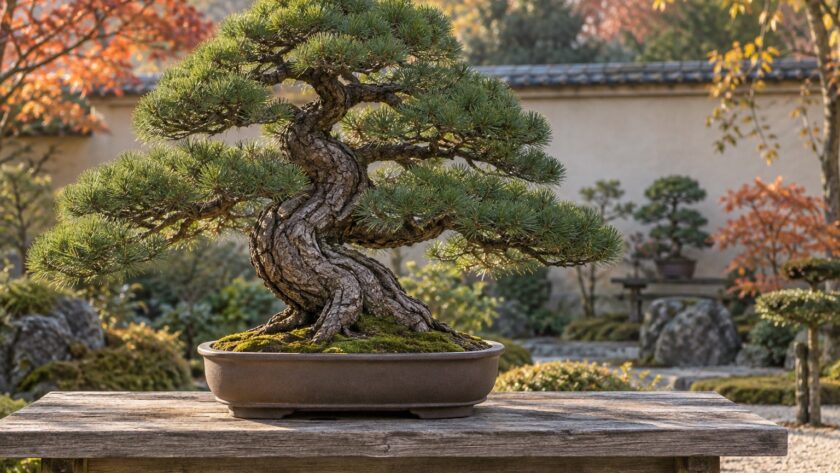
Saitama rewards a different kind of trip from the usual race between Japan’s headline cities. Immediately north of Tokyo, it brings together merchant streets, carefully cultivated miniature trees, railway heritage and a mountain basin where festivals still shape the calendar. You can spend a morning studying the branches of a pine in Omiya, another exploring Kawagoe’s shopfronts, and a separate day following the Arakawa River through Nagatoro. These experiences belong to the same prefecture, but they deserve different days.
This guide concentrates on four useful starting points: Kawagoe for historic streets, Omiya for museums, Chichibu for food and shrine culture, and Nagatoro for the river and hills. Choose one for a day trip from Tokyo, or combine them over three or four days. The longer option leaves room for conversations in small shops, an unhurried lunch, and weather changes without turning every afternoon into a station sprint.
Travel information checked on October 10, 2026. Confirm opening calendars, transport, event arrangements and weather before traveling. The featured image is an AI-generated, photo-style illustration inspired by Omiya’s bonsai culture, not a photograph of a specific tree or museum collection.
How to plan your route through Saitama
Think in rail corridors before choosing accommodation. Kawagoe has three relevant stations: Kawagoe, Kawagoeshi and Hon-Kawagoe. Their similar names do not mean identical locations or train lines. The prefecture’s official sightseeing map identifies the JR, Tobu and Seibu approaches and is useful for orienting yourself. Pin your arrival station and first attraction separately. In a group, share the exact station name rather than agreeing to meet vaguely “at Kawagoe.”
For Chichibu, Seibu offers an approach from Tokyo’s Ikebukuro side, while Chichibu Railway connects the wider region. Traveling onward to Nagatoro can involve walking between Seibu-Chichibu and Ohanabatake stations: include that transfer in your plan instead of expecting every connection to use the same platform complex. Seibu’s regional rail guide shows the relationship between these stations. Use a current journey planner for your actual date, allowing extra time if carrying luggage.
Compare ordinary fares with passes only after deciding your route. The Seibu 1Day Pass information distinguishes the standard product from the version that includes the Nagatoro section of Chichibu Railway; limited express charges are additional. Eligibility and purchase conditions also matter. A pass advertised for one operator should never be assumed to cover every train in Saitama. For this guide’s main urban stops, rail is a practical default; a rental car becomes more useful when your lodging or chosen mountain destination lies away from stations.
Kawagoe: warehouse streets and the details between them
Kawagoe’s appeal is strongest when you look beyond a single photograph of its bell tower. The town’s commercial past is visible in substantial warehouse-style buildings, tiled roofs and narrow passages between shops. The Koedo Kawagoe Tourism Association introduces the historic district, Toki no Kane and Kashiya Yokocho. Start with a walk through the main streets, then return to one or two places that catch your attention. Moving slowly helps you notice differences in plasterwork, doorways and rooflines that disappear in a quick checklist visit.
Kashiya Yokocho, the sweets alley, is an enjoyable place to browse small treats and gifts. Keep your purchases manageable if you will be walking all day: something fragile or chilled may be better bought before departure. For photographs, step aside from shop entrances and wait for a clear moment instead of stopping the pedestrian flow. This remains a working town, with deliveries and daily errands mixed into the sightseeing streets. A weekday visit can offer more flexibility, although individual shops may take their own closing days.
Give Kitain Temple its own portion of the day. Its official English guide describes the temple’s long association with the Tokugawa family and the varied expressions of its stone rakan figures, representing disciples of the Buddha. Spend time looking at individual faces rather than treating the group as a single exhibit. Gardens add seasonal interest, while indoor heritage areas have their own admission and conduct rules. Check the temple calendar before walking over; religious events and scheduled closures can affect visits. Follow its restrictions on indoor photography and remain quiet in worship spaces.
Omiya: learning to look at bonsai
The Omiya Bonsai Art Museum is a rewarding introduction even if you have never grown a plant. Its galleries and garden present bonsai alongside the objects and display traditions that surround them. Begin indoors for context before giving the outdoor trees your full attention. A small tree can suggest an exposed mountainside or an ancient forest, but the composition works through living material: bark, foliage, roots and the relationship with the pot. Allow space in your schedule for looking, rather than assuming that small exhibits require a short visit.
The museum’s guide to appreciating bonsai offers a useful way into the subject. Follow the trunk upward from the roots, notice the distribution of branches, and consider the whole silhouette. Compare two trees with different shapes before reading every label. Which feels windblown, sheltered, heavy or delicate? These are useful questions for a beginner, without needing to memorize technical terms. Photography rules can change, so use current signs and staff instructions rather than advice from an old blog.
Approach the museum from Toro Station or Omiya Koen Station, following its access and admission page. Thursday is the regular closing day, with exceptions and additional closures listed by the museum. If you want to extend the visit into Omiya Bonsai Village, use the city’s official village guide to identify nurseries. These are specialist businesses, so check opening arrangements and ask before photographing. Treat nursery visits as a chance to understand ongoing care and cultivation, rather than expecting every property to function like a museum.
The Railway Museum: a different side of Omiya
Omiya also suits travelers interested in design, engineering or the trains carrying them around Japan. The Railway Museum combines historic rolling stock with exhibitions about railway work, science and history. It recommends advance ticket reservation, and some experiences use a separate raffle system. Admission therefore does not guarantee every simulator or activity. Decide which displays matter most before arrival, and treat interactive extras as a bonus unless you have confirmed their arrangements.
The museum’s English visitor map explains the approach via the New Shuttle and Tetsudo-Hakubutsukan Station. A family or rail enthusiast could reasonably devote most of a day to this stop. Combining it with the bonsai museum is possible as a selective visit, but leaves less time at both. Check calendars carefully: the Railway Museum normally closes on Tuesdays, while the bonsai museum’s regular closure is Thursday. Choose your museum day before locking in the surrounding itinerary, especially on a short trip.
Chichibu: a shrine town with its own rhythm
Chichibu makes a good base for the western part of the prefecture. Begin with the streets around Chichibu Shrine, leaving enough time for lunch rather than immediately catching another train. The shrine’s official history explains the sanctuary’s connection with Tokugawa Ieyasu and the importance of its annual festival. Look closely at decorative details, but remember that this is an active place of worship. Keep the central approach clear when others are praying, and ask staff if you are unsure where photography is permitted.
The Chichibu Night Festival is a reason to organize an entire trip around the town. The shrine’s festival explanation places the main celebration on December 3 and connects it with local religious traditions. A festival visit requires a different plan from an ordinary sightseeing day: book accommodation early, check the current visitor arrangements, and identify a return route before joining the evening crowds. Do not assume a normal sightseeing schedule or an easy last-minute train seat. If your priority is quiet exploration, choose another date and appreciate the town without the festival pressure.
Outside the festival dates, the Chichibu Festival Exhibition Hall provides context that a street walk alone cannot. The tourism organization’s festival and exhibition guide describes float replicas, historical displays and audiovisual presentations. Visit after the shrine to connect the religious setting with the craftsmanship and neighborhood participation behind the event. This is also a useful indoor option when rain interrupts a town walk, provided the hall is open. Looking closely at the decoration makes the festival easier to imagine without implying that a museum presentation reproduces the experience of the live celebration.
Nagatoro: river scenery and Mount Hodo
Nagatoro changes the pace again. The Iwadatami rock formations beside the Arakawa River provide a natural focus for a walk, with the station area offering places to pause before or afterward. JNTO’s Nagatoro introduction outlines the river setting and regional access. Wear shoes with grip: a riverside outing can involve uneven surfaces even when it begins beside a convenient railway station. Stay on permitted routes and keep away from wet edges. The best photograph is not worth stepping beyond a barrier or into flowing water.
A traditional boat trip lets you experience the valley from water level. Check the operator’s current Nagatoro boat information before departure, because river conditions can change the service or stop it altogether. Wear the supplied life jacket and follow boarding instructions. The route and ticket guidance also explains that the available course and duration depend on conditions. Avoid building your entire day around a fixed boat departure; leave room for the staff’s advice and choose a different activity if service is suspended.
For a higher viewpoint, consider the Hodosan Ropeway and the summit area of Mount Hodo. Chichibu Railway’s Nagatoro guide describes the mountain, seasonal flowers and Susabino Terrace. Check ropeway operations, including inspection closures, before going. The walk from the station to the lower terminal is a separate part of the outing, not a platform transfer. In poor visibility, a relaxed riverside lunch may be more satisfying than rushing uphill for a view hidden by cloud. Choose the order of your activities around conditions that morning.
Hodosan Shrine offers another reason to spend time near the mountain’s foot. Its main complex and the inner shrine on the summit are different destinations. The local tourism organization’s Hodosan Shrine guide explains the main buildings’ carvings, including mythical figures and auspicious animals. A visit to the lower shrine can fit a gentler itinerary without committing to the summit. For travelers interested in craft, compare the carved surfaces here with the restrained display of bonsai in Omiya: both reward close attention, but create a very different impression. Allow worshippers space and keep conversations low around the sanctuary.
When to go: flowers, foliage and festival dates
Spring visitors often consider Hitsujiyama Park in Chichibu for its shibazakura, or moss phlox. Seibu’s regional sightseeing guide introduces this seasonal attraction. Check the actual flowering report before committing your only day to it: a familiar promotional image is not a promise of peak color on your travel date. On a busy flowering weekend, plan an early start and a flexible lunch, and resist adding a distant mountain excursion afterward.
Autumn suits walking in Kawagoe and exploring the western valleys, but different elevations do not turn color simultaneously. Summer calls for shade breaks, water and a slower midday pace. Winter can suit museums and town walks, while outdoor services may use seasonal schedules. Pick the experience first, then the season: a bonsai visit, a flowering hillside and a December festival each suggest a different calendar. Keep one weather-dependent day movable when staying several nights.
What to eat: sweet potatoes, noodles and Chichibu snacks
In Kawagoe, sweet potatoes appear in many forms, including baked sweets and puddings. The tourism association’s specialty products directory gives an idea of the range. Choose one freshly served treat and one packaged souvenir rather than trying to sample everything before lunch. Check storage instructions on delicate items, and look at ingredients if you avoid dairy, eggs or wheat.
Chichibu’s miso potatoes are another satisfying small stop: battered, fried potato pieces finished with a miso sauce. Japan’s agriculture ministry documents their connection with local farming breaks in its regional cuisine guide. For a larger meal, consider waraji katsudon, with generously sized pork cutlets over rice. The prefecture’s local dishes guide also introduces udon traditions, including Kazo udon. Food can provide a reason for a future return rather than another long detour on an already full day.
Do not assume a vegetable dish or a bowl of noodles meets a particular dietary requirement. Ask about broth, sauces and shared cooking equipment when necessary. Keep a written translation of important restrictions, and identify a suitable lunch before heading into an area with fewer choices. For everyone else, leaving a little appetite between stops is useful: Saitama’s regional food is better enjoyed as meals and pauses than as a rushed eating challenge.
If you have only one day
Choose by interest rather than by the number of attractions. Kawagoe makes sense for travelers who enjoy walking, architecture and food stops. Omiya suits a museum-centered day, especially when the forecast is unsettled. Chichibu and Nagatoro deserve an earlier departure if you are returning to Tokyo that night. For a mixed group, agree on one essential experience and one optional addition before setting off. That simple decision prevents a missed connection or long lunch queue from spoiling the day.
A flexible four-day itinerary
Day one: spend the day in Kawagoe. Walk the historic commercial streets, pause around the bell tower, and browse the sweets alley. Add Kitain if its calendar allows, with enough time for the paid areas rather than a hurried arrival near closing. Return to Tokyo or stay locally according to your next morning’s route. Resist squeezing Omiya into the same afternoon simply because both places look close on a prefectural map.
Day two: choose an Omiya museum focus. Bonsai enthusiasts can combine the art museum with selected village nurseries; railway enthusiasts can give the Railway Museum a longer visit. Travelers who want both should prioritize a few displays and accept a shorter experience at each. Check the next day’s Chichibu connection before dinner, and decide whether transferring west that evening would improve the following morning enough to justify another hotel change.
Day three: explore central Chichibu, beginning with the shrine and nearby streets. Build lunch around a regional dish, then add a seasonal outing only if the timing works. Stay in the area if you want a less hurried Nagatoro day afterward. Day four: take the train to Nagatoro, inspect current boat and ropeway information, and choose a river-focused or mountain-focused morning. Keep the other activity optional, leaving a comfortable margin for your onward journey.
Where to stay and what to check before leaving
For a single day out, keeping your Tokyo hotel may be simplest. For several days, compare accommodation near an Omiya or Kawagoe station with an overnight in Chichibu. Station proximity is useful when changing districts; a more secluded inn makes sense when the stay itself is part of the trip. Check the final journey from the station, dinner arrangements and check-in deadline before booking. An attractive room is less convenient if reaching it requires an unplanned taxi ride after your last connection.
Before leaving each morning, confirm the main attraction’s calendar, the weather-dependent services and your route home. Carry a small amount of cash, a charged phone and shoes suitable for both pavements and uneven outdoor paths. Ask individual venues about step-free access rather than assuming a rail-based day is accessible throughout. With those details settled, Saitama works especially well as a trip built around attention: one tree, one street, one meal, and enough time to enjoy each properly.