Kagawa rewards travelers who enjoy looking closely. A carefully pruned pine frames a garden pond, a bowl of udon reveals subtle differences in texture, and an island museum changes with the daylight. Along the Seto Inland Sea, ferries link working ports and small communities; inland, shrine steps and castle walls offer another perspective on the landscape. You can experience several sides of the prefecture without covering enormous distances, provided you respect the time that each journey needs.
For a first visit, give Kagawa four or five days. Use Takamatsu as a practical base, choose one major art island, and leave space for Kotohira or Marugame. Shodoshima deserves a separate day or, preferably, an overnight stay. Trying to fit every island into one trip creates more time watching departure boards than enjoying the places you came to see. This guide helps you choose a route around your interests.
Getting Here and Choosing a Base
The prefecture’s official access guide is a starting point for rail, air, road, and sea connections. Travelers arriving through Okayama can continue across the Seto Ohashi bridges toward Takamatsu. Takamatsu Airport offers another gateway, followed by an onward ground transfer. Compare the complete journey to your accommodation, including luggage handling and the final local connection, rather than judging options only by flight or train duration.
In Takamatsu, staying near the station and port suits early ferry departures. A location nearer the central shopping streets may be more convenient for evening meals. These are different priorities, so check the actual walking route before booking. If an island trip starts early, arrange breakfast and luggage storage the night before. A compact overnight bag can be useful when you leave a larger suitcase at a hotel that has agreed to keep it.
JR services and the separate Kotoden railway network support different mainland journeys. Check the station name, operator, and transfer location for each excursion. A rail pass should be evaluated against the journeys it actually covers; ferry tickets, museum reservations, local buses, and private railway fares may require separate payment. Carry a modest cash reserve for smaller businesses instead of assuming every stop accepts the same card or transport app.
Ritsurin Garden: Make Time for the Changing Views
Ritsurin Garden is an excellent introduction to Takamatsu. Developed as a domain lord’s garden, it uses ponds, shaped pines, rocks, and the backdrop of Mount Shiun to create a sequence of compositions. Walk a little, stop, and look back: the arrangement changes as your position shifts. The appeal is not confined to one famous viewpoint or a short flowering season.
Allow a generous morning rather than squeezing the garden between appointments. Its official visitor information lists seasonal opening hours, entrances, access routes, lockers, and mobility equipment. Several nearby stations have similar names but different walking distances. Choose the entrance that works with your route, and ask about suitable paths if steps or uneven ground are a concern.
Consider a tea break overlooking the pond or a boat ride when operating, checking the current arrangements on arrival. These are different ways to notice the landscape, not requirements for completing a visit. If you are photographing the garden, avoid stopping across a narrow path and give other visitors room to pass. Early light, shaded corners, and reflections can be rewarding even when the seasonal blossoms are absent.
Sanuki Udon: Learn the Rhythm of a Local Meal
Sanuki udon is an everyday pleasure as well as a reason to travel. The noodles’ springy texture matters, but so do temperature, broth, and the balance of toppings. The prefecture’s udon guide introduces menus and different shop formats. Start with a simple bowl, then try another preparation on a later day rather than ordering so many extras that you cannot appreciate the noodles.
At a self-service shop, observe the queue and ask where to order, collect side dishes, and pay. The sequence varies. Kake udon comes with broth; kamaage involves noodles served with dipping sauce. Choose a small portion if you plan another stop, and resist turning lunch into a race around famous addresses. Shops are working businesses serving local customers, so keep bags out of the line and return your tray where directed.
Opening hours deserve attention. The official Marugame listing for Nakamura Udon, for example, notes that service can end when noodles run out. That is a useful reminder to put an important noodle stop before the end of the afternoon. Have a nearby alternative, particularly if you are traveling a long way for one restaurant.
Vegetarian-looking toppings do not establish that a bowl is vegetarian: ask about the broth and sauce as well. Wheat, egg, fish, and soy ingredients can appear in different parts of the meal. Travelers with dietary restrictions should explain them clearly before ordering. An udon-making workshop is another way to explore the food, but confirm the language, minimum group size, and whether cooking and eating are included.
Naoshima: Plan Around the Art You Most Want to See
Naoshima combines contemporary art, architecture, and everyday island life. Choose two or three priorities before arranging the day. At Chichu Art Museum, Tadao Ando’s largely underground building houses works by Claude Monet, James Turrell, and Walter De Maria. Natural light is part of the experience. Give yourself time to adjust to the spaces instead of treating each room as another photograph to collect.
Benesse Art Site Naoshima’s ticket reservation page explains the individual facilities and booking arrangements. Chichu requires a dated, timed reservation; its official page states that sold-out online slots do not become available for purchase at the venue that day. Reserve the experience you care about, then choose transport with a comfortable margin. A museum ticket does not reserve space on a ferry.
In Honmura, the Art House Project places installations in buildings within a residential district. Moving between them is part of the visit, but homes and lanes remain places where people live. Speak quietly, keep doorways clear, and follow each venue’s photography instructions. Individual houses can have different entry conditions, so read the current ticket details rather than assuming one pass admits you everywhere.
The Naoshima New Museum of Art, opened in 2025 near Honmura, adds another substantial stop focused on artists from Asia, including Japan. Its changing exhibitions make a second visit worthwhile, but also mean temporary closure periods matter. Check the museum’s current notices and calendar before fixing your date. It should not be an automatic extra in an already crowded single-day schedule.
Ferries and Island Transport: Build in Real Margins
Shikoku Kisen’s route information distinguishes the Takamatsu–Miyanoura connection from routes involving Uno, Honmura, and other islands. Confirm the port, vessel, and destination, not simply the island name. The operator currently states that it does not accept boarding reservations and boards passengers in arrival order. Arrive early enough for ticketing and queues, especially when your next activity has a fixed entry time.
For any island day, write down the outbound sailing, onward local transport, and at least one practical return option. Do not make the final boat your only workable plan. Weather and sea conditions can disrupt operations, and a museum visit running late can create its own missed connection. If your flight or long-distance train is essential, consider sleeping on the mainland the preceding night.
On the island, a bicycle is a choice rather than a universal solution. Consider hills, heat, wind, luggage, and your confidence on the road. Ask rental staff about permitted routes, battery range, return time, and parking. Bus stops may require walks to the actual entrance. Before booking an appointment, calculate travel between facilities, not merely the crossing from the mainland.
A useful booking sequence is to check the opening calendar, identify possible sailings, secure the timed museum entry, and then finalize the remaining journey. Keep the confirmation available offline and check whether children also need reservations. If plans change, use the provider’s stated cancellation process. Avoid reserving overlapping slots on different islands: the sea crossing and port transfer cannot be removed from the schedule.
Teshima: Give One Quiet Experience Enough Space
Teshima Art Museum brings together artist Rei Naito and architect Ryue Nishizawa. Within a low concrete shell, water, light, air, and surrounding sounds shape the encounter. The building stands beside restored rice terraces overlooking the sea. This is a place to slow down and pay attention; arriving with a checklist of objects to identify misses much of what makes it distinctive.
The museum requires advance reservations and has seasonal hours and closure patterns. Its winter calendar is particularly important, since opening days differ from the warmer months. Follow the official calendar for the precise date. If your chosen slot is unavailable, change your plan before boarding a boat rather than expecting staff to create extra capacity when you arrive.
For a first trip, Teshima usually deserves its own day instead of becoming a rushed extension of Naoshima. Pair the museum with a modest amount of exploration and a meal that fits your transport. Respect fields, private buildings, and residents’ vehicles. Quiet time near the landscape is part of the attraction, but remember that a peaceful road can still be someone else’s route to work.
Shodoshima: Olives, Soy Sauce, and Mountain Scenery
Shodoshima offers a different island experience, centered on food production, coastal settlements, and a mountainous interior. The tourism association’s access information shows its multiple arrival ports and onward transport. Pick the port according to your accommodation and intended sights. A ferry to the island is not necessarily a ferry to the most convenient part of it, and moving across the island takes time.
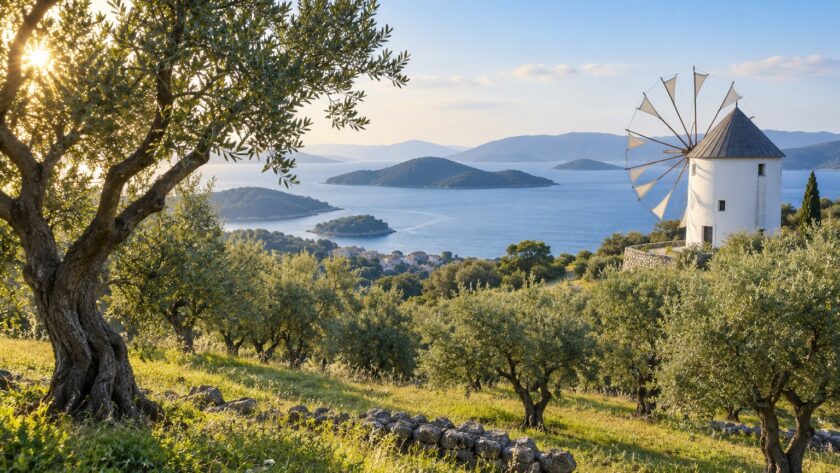
At Shodoshima Olive Park, olive groves and a white windmill frame views over the sea. Walk beyond the busiest photograph spot and notice the trees, leaves, and hillside setting. The park is an accessible introduction to the island’s olive identity, while shops offer a chance to compare products. Read labels carefully if you want locally grown oil rather than simply an olive-themed souvenir.
The island’s food traditions also include soy sauce and thin somen noodles. A producer visit can make fermentation and everyday ingredients more tangible. Establish whether visitors are admitted to production areas or only a museum and shop; a working brewery is not automatically open for tours. Reserve any guided experience and avoid touching equipment or entering areas beyond the marked visitor route.
The prefecture’s island guide highlights Kankakei Gorge, where rugged inland scenery offers a contrast to the coast. Decide whether your visit involves the ropeway, a walk, or both, then check current operating and trail information. Do not assume a leisurely coastal outing equips you for a mountain hike. An overnight stay makes it easier to separate the gorge from a food-focused coastal day.
Kotohira: The Climb to Konpira-san
Kotohiragu Shrine, often called Konpira-san, is associated with seafaring and a long tradition of pilgrimage. The well-known approach involves 785 stone steps to the main shrine and more if you continue to the inner sanctuary. Decide your own destination before starting. Reaching the main shrine can be a satisfying visit without treating the longer climb as compulsory.
Wear shoes suited to repeated steps, carry water, and pause before fatigue makes the descent uncomfortable. Rain can change footing, while summer conditions can make the climb more demanding. Travelers for whom extensive stairs are unsuitable should confirm current access arrangements directly and plan other activities in town. Photos rarely communicate how sustained the ascent feels.
The approach streets provide places to eat and browse, making Kotohira a good contrast to an island museum day. An overnight inn stay can add a relaxed evening, provided the meal and check-in arrangements suit your arrival. Keep worship areas quiet and follow posted photography rules. The shrine is a religious destination whose atmosphere is best experienced with patience and consideration.
Marugame: Stone Walls and a Living Craft
Marugame Castle pairs a surviving wooden keep with imposing stone defenses. The climb makes the relationship between the small tower and the large fortified hill clear. Look at the changes in wall angles and the surrounding city as you ascend. Confirm current access notices, particularly where restoration work affects routes, and allow time for both the uphill approach and the return.
Marugame is also associated with uchiwa, the rigid handheld fans traditionally made with bamboo frameworks. The city’s official visitor guide introduces its fan museum and local food, including seasoned bone-in chicken. Check the museum’s present location and workshop availability before traveling. A craft session needs its own appointment and transport time, rather than being squeezed into the final hour after the castle.
Chichibugahama and Choosing the Right Season
On the western coast, Chichibugahama is known for reflections in shallow tidal pools. The effect depends on conditions: low tide reveals pools, calm water helps the reflection, and evening light can add color. Sunset alone is not enough. Check the local tide information for your date and enjoy the shore even if wind prevents the mirror-like scene you have seen online.
Plan the return trip before waiting for sunset, particularly if you depend on public transport. Keep footwear appropriate for wet sand, take your litter away, and leave space for other visitors. Across Kagawa, spring and autumn can suit long outdoor days, while summer calls for shade and breaks. In winter, shorter daylight and seasonal museum schedules deserve more attention than a generic promise of mild coastal weather.
For rainy days, distinguish an indoor attraction from an entirely sheltered outing. Reaching an island museum can still involve exposed ferry terminals, cycling, and walks between buildings. A mainland meal, craft appointment, or shopping afternoon may be a more comfortable substitute during unsettled weather. Check cancellation terms before paying for several activities that all depend on the same boat connection.
Families and groups should discuss interests before choosing the longest excursion. Someone who enjoys a garden may not want several consecutive art venues, while a dedicated museum visitor may prefer fewer towns. Agree on one shared priority and optional additions. This makes it easier to shorten a day without anyone feeling that the main purpose of the trip has been lost.
A Flexible Five-Day Itinerary
Day one: arrive in Takamatsu and keep the afternoon light, with a simple udon meal and a walk near the waterfront. Day two: devote the morning to Ritsurin Garden, then choose shopping, a food experience, or time to rest. Separating this from arrival protects the garden visit from delays and gives you a useful mainland day if ferry weather is poor.
Day three: visit Naoshima or Teshima with tickets arranged around confirmed transport. Day four: travel to Kotohira or Marugame; choose one as the day’s focus, adding the other only if your pace and connections allow. Day five: begin a Shodoshima extension or explore western Kagawa. Travelers with exactly five days should select between Shodoshima and the inland excursion rather than trying to complete everything.
With a shorter stay, keep Takamatsu and one excursion. With a week, add an island overnight and give a second art island its own day. Reserve the scarce experiences first, preserve a weather alternative, and leave room for an unhurried meal. Kagawa becomes more memorable when its gardens, noodles, art, and sea crossings each receive enough attention to become an experience rather than a stop.
Editorial note: Official sources were checked on October 11, 2026. Museum calendars, reservation rules, ferry operations, workshop access and tide conditions can change; consult the linked providers before traveling. The featured image is an AI-generated illustration inspired by Shodoshima’s olive groves and coastal scenery, not a documentary photograph.