Hiroshima asks visitors to make room for several different experiences. In the city, memorials preserve the human consequences of the atomic bombing and the continuing work for peace. Across the water, Miyajima combines a tidal shrine landscape with wooded slopes and places of worship. Farther east, Onomichi’s hillside lanes and the islands of the Seto Inland Sea invite a slower journey by foot, bicycle, and boat.
A good visit gives each place its own time. Allow at least two full days for Hiroshima city and Miyajima, and four or five if you want to add eastern Hiroshima or island cycling. This guide separates the essential visits from optional extensions, explains important current access details, and suggests a route that leaves space for reflection, changing weather, and ordinary pleasures such as a carefully chosen meal.
Getting Around and Choosing Where to Stay
Hiroshima Station is the main arrival point for Shinkansen travelers. The prefecture’s official transport overview explains the rail network and connections into the city. Staying near the station is practical for day trips, while a central hotel can suit evening dining and walks near the rivers. Compare your actual daily routes before deciding; the station and the principal memorial area are separate parts of the city.
If you fly, remember that Hiroshima Airport is outside the city. The official airport access guidance describes direct buses and a bus-to-rail alternative, rather than a direct airport train. Leave a sensible buffer for road traffic and airport procedures. Check the current departure point and destination of your bus, since Hiroshima Station and Hiroshima Bus Center are not interchangeable arrival points.
For a longer journey, divide your accommodation between Hiroshima city and Onomichi or Fukuyama. This can reduce repeated travel across the prefecture, particularly when cycling or visiting Tomonoura. Keep luggage manageable and confirm storage before arriving early at a hotel. A rail pass may help some routes, but compare its current coverage with your chosen trains and ferries instead of assuming every local connection is included.
Peace Memorial Park and the Atomic Bomb Dome
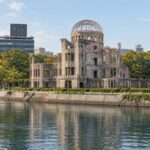
Begin your understanding of Hiroshima with the bombing of August 6, 1945, and the lives affected by it. The UNESCO-listed Hiroshima Peace Memorial, commonly called the Atomic Bomb Dome, preserves the remains of a building close to the hypocenter. Its significance lies in its testimony to destruction and its association with the hope for lasting peace, rather than in conventional architectural sightseeing.
Give the surrounding Peace Memorial Park an unhurried visit. Read the explanations at individual monuments rather than photographing them without context. Keep voices low around people paying their respects, avoid obstructing ceremonies or memorial offerings, and follow photography notices. Different visitors have different personal connections to the place; thoughtful behavior leaves room for remembrance as well as learning.
The park is not a substitute for the museum, and the museum is not a reason to rush through the outdoor memorials. You can visit them in either order, depending on your admission arrangements and energy. Leave an open period afterward rather than booking an activity immediately across town. A quiet riverside walk or a break can help you absorb what you have encountered.
Visiting the Peace Memorial Museum Thoughtfully
The Hiroshima Peace Memorial Museum presents belongings, photographs, documents, and personal accounts connected with the bombing and its aftermath. These are individual lives, not simply a sequence of historical statistics. Allow enough time to read the context and take breaks if needed. Families should consider their children’s readiness for distressing material and discuss the visit together in advance.
Check admission arrangements through the museum’s official information before traveling. The current tourism listing notes that some time slots require advance online reservations. The official admission guidance also recommends buying online to reduce ticket queues. Follow the current links for your date rather than relying on an old screenshot of opening hours, and distinguish a reservation time from a promise that the galleries will be quiet.
Avoid setting a strict target for how quickly you should finish. Some people read extensively; others need shorter periods with the exhibits. If members of your group move at different speeds, agree on a meeting point and communicate without disturbing other visitors. The most useful planning choice is to protect enough time for the visit, even if that means removing another attraction from the day.
Shukkeien and Hiroshima Castle: Check the Current Access
Shukkeien offers a compact garden landscape of ponds, islands, bridges, and carefully arranged scenery. Its history includes destruction in the atomic bombing and subsequent restoration. Follow the paths slowly rather than aiming only for a familiar bridge photograph. Small changes in viewpoint reveal how the garden compresses the impression of larger landscapes into a city setting.
Wear shoes suitable for uneven paths and take weather into account; a garden visit still means time outdoors. Travelers who need step-free routes should ask the venue about current access, surfaces, and facilities. Shukkeien can work as a separate morning visit or a gentle addition to a city day, but it need not be treated as a compulsory emotional counterpoint to the memorial museum.
There is an important update at Hiroshima Castle: the official tourism page states that the keep closed in March 2026 because of deterioration and other concerns. Its exterior can still be viewed. Plan around the grounds and current access information, not an older itinerary promising a climb inside the tower. Check separately which surrounding facilities are open during your visit.
Miyajima: Arrange the Day Around the Tide
Miyajima is worth a full day if you want more than a quick look at its famous gate. The tourist association’s access guide introduces the available approaches, including ferries from Miyajimaguchi. Work backward from your return journey and allow for walking, queues, and meals. Confirm ticket conditions and any local visitor levy through the operator rather than assuming that a transport pass covers every charge.
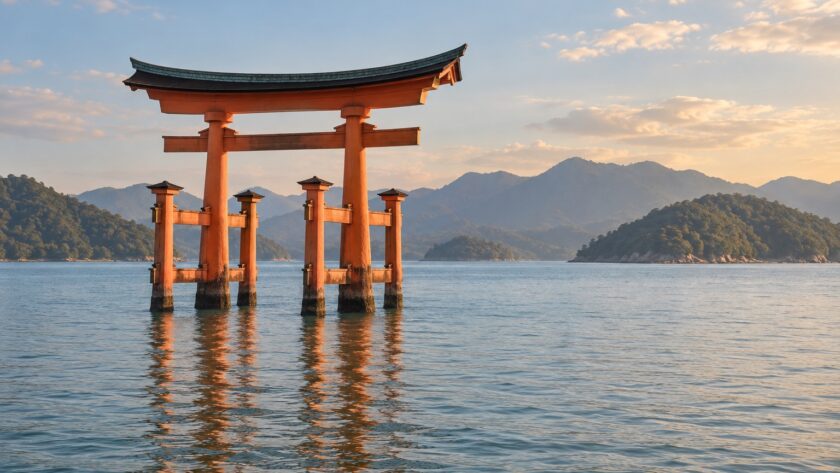
Itsukushima Shrine is closely tied to the island’s shoreline and tidal setting. The covered corridors, vermilion structures, and broad sea outlook form a coherent place of worship, not just a backdrop for the offshore torii. Move through respectfully, keep passageways clear, and allow time to notice the buildings and their relationship with the water.
Consult the tourist association’s date-specific tide information before choosing your arrival time. Higher water creates the familiar floating impression, while sufficiently low water changes the shoreline and may allow an approach toward the gate. These are different experiences, and neither happens simply because you visit in the morning or afternoon. Follow local instructions and do not step into unsafe or restricted areas for a photograph.
An overnight stay can make it easier to see the waterfront at different tides and enjoy quieter streets after daytime visitors leave. Confirm dinner plans, check-in requirements, and ferry arrangements with your accommodation. Shops and restaurants do not necessarily remain open because ferries are still operating. A mainland stay is equally workable if you plan the island day carefully and keep the final return connection in view.
Beyond the Waterfront: Temples, Forest and Mount Misen
The tourist association’s walking map helps connect the waterfront with Daishoin Temple, Momijidani Park, and the paths toward the mountain. Choose a short inland walk if you want a change from the busiest shopping streets. Temple approaches can include steps and slopes, so leave luggage behind and allow everyone in your party to set a comfortable pace.
The Miyajima Ropeway provides mountain views, but it is not an effortless substitute for every walk on Mount Misen. Check the operator’s current service status, final descent, and reservation requirements: designated busy dates require advance booking. Wind, thunderstorms, and maintenance can interrupt operation. The operator also warns of accessibility limitations, so visitors using wheelchairs or strollers should consult its guidance before making plans.
If continuing on mountain paths, carry water, suitable footwear, and enough time to return well before darkness or the last descent. Do not interpret a ropeway ticket as a guarantee that the entire mountain route is easy. An outing that stays near the available viewpoints can be worthwhile in its own right. When weather deteriorates, return to the waterfront rather than trying to salvage a summit plan.
Miyajima’s deer are wild animals. Give them space, keep food, paper, and belongings secure, and follow local notices about interacting with them. A photograph is not a reason to corner an animal or encourage children to approach closely. Carry away your rubbish and eat in suitable places; protecting the island’s everyday environment is part of enjoying its scenery responsibly.
Onomichi: Hillside Lanes and a Working Waterfront
East of Hiroshima city, Onomichi combines a narrow waterfront with slopes full of temples, houses, and small lanes. Choose Onomichi Station for straightforward access to the central waterfront; Shin-Onomichi is a separate Shinkansen station inland. Once you arrive, start with a simple walk to understand the relationship between the water, shopping streets, and hillside before choosing how far to climb.
Senkoji Temple sits on the hillside above the port and is one of the town’s best-known destinations. You can incorporate the ropeway and a walk, or make a shorter visit suited to your mobility. Do not assume descending is effortless: steps and narrow paths can be demanding, especially in rain. Check the route and the ropeway’s operating information before setting out.
Onomichi rewards small discoveries more than a tightly timed circuit. Stop for a view over the channel, browse a shop, and leave room for lunch without crossing off every temple. Remember that many hillside lanes are residential. Keep voices modest, respect private entrances, and avoid blocking steps while taking photographs. Leave a suitcase at your accommodation or a confirmed storage facility instead of carrying it through the slopes.
Shimanami Kaido: Choose the Ride You Actually Want
The Shimanami Kaido cycling route links the Onomichi area with Imabari in neighboring Ehime through islands and bridges. It is possible to enjoy the scenery without completing the whole crossing. Decide first whether you want a short island outing, a substantial day of riding, or a journey with an overnight stop. Those choices require different equipment, accommodation, and return plans.
Before reserving, confirm the bicycle type, correct size, helmet, collection point, and permitted return terminal. Rules can differ for ordinary bicycles, electric bicycles, and other models. Ask what to do if weather changes or a mechanical problem occurs. Do not rely on an old rental brochure for current prices or assume that every bicycle can be returned at any terminal along the route.
Bridge approaches involve climbing, and wind or summer heat can make an apparently straightforward route tiring. Carry water, sun protection, and a realistic plan for food stops. Ride at a pace that lets you pay attention to road users and signs, and stop safely before checking your phone. A shorter route with time for an island lunch can be a more satisfying choice than struggling to finish before closing time.
Plan the return journey before leaving the rental desk. A ferry, bus, or alternative rental terminal may help, but service times and bicycle carriage conditions need confirmation. Keep enough flexibility to turn back early. If you are staying overnight, ask about bicycle storage and luggage arrangements; hauling a large travel case is incompatible with a relaxed day of riding.
Tomonoura, Saijo and Takehara: Select One Extra Stop
Tomonoura, near Fukuyama, is a historic port associated with ships waiting for favorable tides. Its harbor setting and traditional streets suit a quiet walk and a leisurely meal. Treat it as a separate excursion with its own onward transport. A seasonal sightseeing boat shown in a travel article should not be assumed to run every day throughout the year.
For an interest in brewing, Saijo’s brewery district offers a townscape of chimneys and brewery buildings near the local rail station. Check which businesses welcome visitors and whether tours or tastings require booking. You can appreciate the buildings and production history without drinking. If you do taste sake, arrange public transport and do not combine the outing with driving or cycling afterward.
Takehara’s preserved townscape reflects prosperity connected with salt production. Its conservation center provides context for the buildings and their internal layout. This is an appealing alternative for travelers who enjoy historic streets at a measured pace. Choose it in place of another extension rather than squeezing Tomonoura, Saijo, and Takehara into one day simply because they share a prefecture.
Eating in Hiroshima and Choosing a Season
Hiroshima-style okonomiyaki is built in layers, commonly bringing together thin batter, cabbage, noodles, egg, and other ingredients on a hot griddle. Watching the cook assemble it is part of the experience. Choose a restaurant that fits your route rather than assuming a long queue is essential. Ask about portions and toppings before ordering several additional dishes.
The prefecture’s food guide also highlights oysters and other griddle-cooked specialties. Check seasonal availability and preparation, and explain allergies or dietary restrictions clearly. Broths, sauces, and toppings may contain ingredients that are not obvious from a photograph. A written explanation can help, but confirm with the restaurant rather than treating a dish’s name as a complete ingredient list.
Spring and autumn can be comfortable for walking and cycling, although popular dates may bring crowds. Summer requires care with heat on exposed paths and bridges. Winter can offer a quieter pace, but mountain weather and short daylight still shape plans. Check forecasts for the coast, islands, and higher ground separately. Build the itinerary around current conditions rather than assuming the entire prefecture has identical weather.
A Flexible Four-Day Hiroshima Itinerary
Before booking this route, decide where you will sleep on the third night and where you need to finish. Returning to Hiroshima city after Onomichi may be sensible for a flight, while continuing east may fit a rail journey better. Put those transfers on your calendar before adding excursions. For a mixed group, agree on which visits everyone wants to share and which can be optional: one person can cycle while another enjoys the waterfront, provided you arrange a clear meeting place and a return plan that does not depend on a fast ride.
Day one: visit Peace Memorial Park and the museum, arranging admission first and keeping the remainder of the afternoon flexible. Choose a simple evening meal near your accommodation. If you arrive late, move the memorial visit to a full day rather than hurrying through it before closing. Shukkeien can fit on a separate morning when you have adequate time.
Day two: spend the day on Miyajima, using the tide information to prioritize the shrine and waterfront. Add a temple walk or the ropeway only when conditions, reservations, and energy allow. Return to Hiroshima or stay on the island. Avoid booking a tightly timed dinner on the mainland that forces you to rush the final part of the visit.
Day three: travel to Onomichi and explore the waterfront and hillside at an easy pace. Day four: choose a manageable Shimanami ride or a Tomonoura excursion, depending on your interests and onward route. Add Saijo or Takehara by extending the trip or replacing another stop. With only two days, focus on the memorials and Miyajima; leave eastern Hiroshima for a visit that can give it proper attention.
Editorial note: Official sources were checked on October 10, 2026. Museum admission, castle access, ferry services, ropeway reservations, and rental conditions can change; consult the linked operators before travel. The featured image is an AI-generated illustration inspired by Miyajima, not a documentary photograph or exact architectural record.