Tochigi rewards travelers who look beyond a single day in Nikko. North of Tokyo, the prefecture brings together lavish shrine architecture, a highland lake, underground stone chambers, working pottery studios, and a city where dumplings can become the main event. These experiences have different rhythms: a temple visit invites close observation, a mountain outing depends on weather, and an afternoon in Mashiko works best when there is time to browse without an appointment immediately afterward.
This guide suggests building a first visit around Nikko and Utsunomiya, with Mashiko as a dedicated excursion. Ashikaga’s flower gardens and the Nasu highlands are excellent alternatives when their particular attractions match your season. Choose a few places well, and Tochigi becomes a satisfying short journey in its own right.
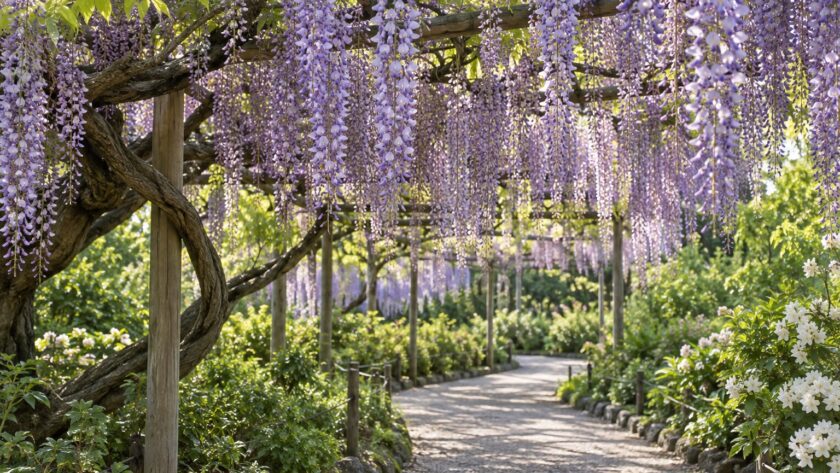
Information checked October 10, 2026. Confirm opening days, transport, weather, and seasonal notices before traveling. The featured image is an AI-generated, photo-style illustration inspired by Tochigi’s wisteria gardens, not a documentary photograph of a particular location.
Choose your bases before your attractions
For a balanced introduction, allow five days and four nights: two nights in Nikko followed by two in Utsunomiya. This gives the shrines and the mountains separate days, then leaves room for the city’s food, the Oya stone district, and a pottery excursion. With only two days, stay within the Nikko area. Trying to add both Nasu and Ashikaga to a short Nikko visit creates a trip dominated by transfers.
In Nikko, compare accommodation near the railway stations, around the historic shrines, and beside Lake Chuzenji. A station location simplifies arrivals; a lakeside stay gives mountain scenery more of your day. Those advantages are different, so check the actual address before booking. In Utsunomiya, choose between convenient onward rail travel and proximity to your chosen evening restaurants. A hotel name containing a destination is less useful than a map showing its nearest usable stop.
Nikko’s World Heritage landscape
The UNESCO-listed Shrines and Temples of Nikko comprise Toshogu and Futarasan shrines and Rinnoji temple, together with their forest setting. Their significance lies in the relationship between sacred mountains, religious practice, craftsmanship, and the Tokugawa shoguns. Approaching them as a connected cultural landscape helps explain why the trees, slopes, gates, and paths matter alongside the decorated buildings.
Make the historic district the main purpose of one day. Start with the site that interests you most, leave space for lunch, and decide afterward whether you want another interior visit or a slower walk through the surrounding grounds. Carry a small amount of cash and check the admission arrangements for each institution separately. These remain places of worship, so follow photography signs, keep voices low inside, and avoid standing in entrances while studying a map.
Look closely at Toshogu
Nikko Toshogu Shrine enshrines Tokugawa Ieyasu and is particularly associated with the lavish expansion undertaken under his grandson Iemitsu. The elaborate Yomeimon gate, the famous three wise monkeys, and the sleeping cat carving give visitors very different scales of detail to examine. It is easy to notice the gold first and miss the smaller animals, patterns, and sculptural storytelling.
Choose a few details to study rather than trying to photograph every surface. A guide can be valuable if you want historical interpretation; otherwise, read the introductory displays before moving into the busiest spaces. Allow extra time if anyone in your group needs frequent rests, and ask about the specific route if steps are difficult. Do not assume that buying a general transport pass also buys admission to religious buildings.
Lake Chuzenji and Kegon Falls
Set aside a separate day for Okunikko, the mountain area above central Nikko. Lake Chuzenji offers a change from carved wood and stone to open water and wooded slopes. Its history as a summer retreat for foreign diplomats adds another layer to a lakeside visit. Start with an unhurried shoreline walk; add a seasonal sightseeing cruise only after checking its operating conditions and your return connection.
Nearby, Kegon Falls drops approximately 97 meters from the lake’s outflow. There is a paid lower observation platform for a closer perspective. Mist and cloud can alter visibility, so leave room to change the order of your stops. A waterfall visit, lunch, and some lakeside time already make a rewarding outing; a longer hike should replace another activity rather than be squeezed into the remaining daylight.
One current planning detail is especially important: Tobu lists the Akechidaira Ropeway as suspended from January 16, 2026, through August 31, 2027, with possible extensions. As of this guide’s check date, do not build your day around that ride or its summit viewpoint. Consult the official Tobu notice and pass information for updates before departure.
Walk the Senjogahara wetlands
Senjogahara lies roughly 1,400 meters above sea level, with wetland vegetation and birdlife that offer a quieter counterpoint to Nikko’s architecture. The official guide describes a gentle nature trail of around two hours, but the outing you plan should reflect the route currently open, your walking speed, and the location of your exit bus stop. Snow changes the nature of the visit considerably.
Before starting, identify where you will finish and which bus you intend to catch. Bring an extra layer, water, rain protection, and footwear suited to wet surfaces. Stay on designated routes, give other walkers room to pass, and check local trail notices. If the weather deteriorates, a short lakeside visit is a sensible substitute. There is no benefit in completing a planned circuit at the expense of a comfortable return.
Utsunomiya: make room for gyoza
Utsunomiya is a useful rail base and a destination for food in its own right. Its gyoza culture embraces many recipes and preparation styles. A good first approach is to order a modest portion, notice the wrapper, filling, and cooking method, and then decide whether to try another version. A comparison between two places can be more enjoyable than a long queue for one famous name.
For a convenient introduction, Kirasse brings together permanent and rotating gyoza vendors in one venue. Check which counters are operating on your day rather than arriving with an inflexible tasting list. Ask about fillings and sauces if you have dietary restrictions; a vegetable-heavy dumpling should not automatically be treated as vegetarian. Consider an early meal if you have a train afterward, and leave a generous margin for queues.
Go underground at Oya
The former quarry at Oya History Museum presents an entirely different side of the prefecture. Huge excavated chambers reveal the scale of local stone extraction, with walls and surfaces that make human labor visible in the landscape. Tobu’s introduction to Oya History Museum notes its cool underground environment and its use as a filming location. Bring a layer even when the streets above feel warm.
Plan Oya as a half-day excursion from Utsunomiya rather than a brief stop between train changes. Check the current entrance arrangements and physical access requirements before visiting, especially if stairs or dim spaces are a concern. Once inside, pause occasionally and let the changing perspective show the size of the chambers. Keep the other half of the day flexible for lunch, a city walk, and the journey to your next hotel.
Mashiko: pottery you can live with
Mashiko’s appeal is tactile and practical: bowls, cups, and plates encourage you to think about everyday use. The town’s connection with potter Shoji Hamada and the mingei folk craft movement adds depth to its contemporary shops. The JNTO Mashiko guide introduces the area’s ceramic heritage and museum options, making a useful starting point for travelers who want more than shopping.
Begin with a museum or heritage stop, then give yourself time among the galleries. When choosing a piece, imagine how it will fit your own table: the weight of a cup, the depth of a bowl, and how comfortably a handle sits in the hand may matter more than a dramatic glaze. Ask before touching delicate displays. For purchases, request protective packing and check whether the maker provides care instructions.
A pottery workshop can turn the visit into a more active experience, with options such as hand building, wheel work, or decorating. Reserve the activity you actually want, then clarify the teaching language, firing process, completion time, and delivery possibilities. A freshly formed pot generally is not a same-day souvenir. Spring and autumn pottery fairs also change the atmosphere and demand on transport, so verify the particular year’s dates.
Ashikaga’s flowers: let the season lead
Ashikaga Flower Park is a compelling reason to explore southern Tochigi, especially if flowering wisteria is a priority. The attraction is seasonal, and the experience depends on which flowers are actually open. Use the park’s current bloom information and ticket details when choosing a date. A festival calendar from a previous year is not a reliable forecast for your visit.
The JNTO access guide identifies Ashikaga Flower Park Station on the JR Ryomo Line as the nearby rail stop. Treat this as its own excursion, with time to enjoy the garden and any crowds without rushing back toward Nikko. If your priority is photography, decide whether daylight or a currently advertised evening event matters more, then confirm opening hours and the last practical return train. Do not expect spring wisteria in autumn.
Nasu for a different mountain escape
Nasu is an alternative northern focus for travelers who want highland scenery. The Nasu Ropeway climbs toward Mount Chausu, but the upper station is not the summit. Taking the cable car for scenery and continuing onto a mountain trail are different activities. Choose your plan according to footwear, fitness, conditions, and the time available rather than assuming the ride removes the need for hiking preparation.
Consult the operator’s service information for seasonal closures and weather-related changes. For a hike, also obtain current local trail and volcanic information before setting out. Nasu deserves an overnight extension or a substitution for part of the main itinerary. On a first four-night trip, trying to combine it with every Nikko, Mashiko, and Ashikaga highlight usually leaves too little time in any one place.
Food beyond the dumplings
In Nikko, look for yuba, the delicate skin lifted from heated soy milk. It appears in several preparations, including fresh servings, fried dishes, and noodle toppings. Trying it in a simple lunch is an approachable introduction before choosing a full specialist meal. Its soy base does not tell you everything about the accompanying broth or sauce, so ask about ingredients when necessary.
Match meals to the day’s structure. In the mountains, have lunch before committing to a long walk. In Utsunomiya, leave enough appetite to enjoy a couple of gyoza styles. In Mashiko, a café break between shops can provide a welcome pause before carrying purchases back to the station. If a hotel booking includes dinner, establish its arrival deadline before adding another afternoon stop; missing that meal can be both disappointing and expensive.
Getting there and moving around
For Nikko, the main choices include Tobu services from Asakusa or a JR journey via Utsunomiya followed by the Nikko Line. The official Nikko transport guide explains the different approaches. Compare the whole journey from your Tokyo accommodation, including station transfers, rather than just the fastest train segment. Mountain sightseeing then involves road transport, so a rail arrival does not place you immediately beside the lake.
Tobu’s All Area pass covers specified routes and is valid for four days; limited express tickets and shrine admissions are separate. Check the coverage map against your actual itinerary. A journey continuing from Nikko to Utsunomiya and Mashiko may not use the return component in the same way as a simple Tokyo round trip. Buying separate tickets can be reasonable when the pass structure does not match your travel.
Autumn congestion on the road to Lake Chuzenji can be severe. Avoid pairing a mountain bus return with a tightly timed reserved train or an airport connection. A car adds flexibility for scattered rural stops but shares those same traffic delays. For a car-free Mashiko excursion, compare the bus from Utsunomiya with the rail approach via Shimodate and the Moka Railway, using current timetables for both directions before committing.
Book for the season and the way you travel
A flower-focused trip and a mountain-focused trip need different booking decisions. For Ashikaga, retain some flexibility around the garden day so you can respond to bloom updates. For Nikko, decide whether you value proximity to the heritage district or waking beside the lake. In autumn, the accommodation choice also affects how much time you spend on the busy mountain road. Pay attention to cancellation terms before committing to a tightly weather-dependent schedule.
For a winter visit, reduce the outdoor list and verify that the paths and transport you intend to use are suitable for the conditions. A summer forecast in Tokyo is not a packing guide for a highland walk. Carrying one compact warm layer is easier than abandoning a viewpoint because everyone is cold. Keep a genuinely indoor option available, but check its closing day before treating it as your automatic rainy-day replacement.
Accommodation deserves a few practical questions. If you choose a ryokan with meals, confirm what is included, when dinner starts, and whether dietary requests can be accommodated in advance. For hot spring bathing, ask about the property’s own rules and any private bathing options you need. If a shuttle is advertised, establish whether it must be reserved and which station it serves. These details can matter more than a small difference in room price.
Travelers with limited mobility should check individual entrances, paths, toilets, and transport arrangements with the places they plan to visit. A general description such as “easy walking” does not establish step-free access. Families may prefer one substantial activity each day, with food and rest arranged around it. In Mashiko, decide in advance who will carry fragile purchases; in Nikko, leave larger luggage at your accommodation when possible. A lighter day bag makes frequent stops and bus boarding much simpler.
A five-day first visit
Day one: arrive in Nikko, leave your luggage, and devote the afternoon to the historic district. Choose one major religious site and an unhurried dinner. Day two: use the weather forecast to choose between Lake Chuzenji with Kegon Falls and a more walking-focused Okunikko outing. Stay a second night so the mountain day does not end with a long onward transfer.
Day three: transfer to Utsunomiya and settle in before exploring its food scene. Keep this day deliberately light; it absorbs any unfinished Nikko sightseeing without jeopardizing the rest of the trip. Day four: spend the day in Mashiko, giving a booked workshop priority and fitting galleries around it. Return to the same Utsunomiya hotel rather than moving your luggage again.
Day five: visit Oya if opening hours and your onward departure allow, then return to the city for lunch and your train. If flowers are the chief reason for visiting Tochigi, substitute an Ashikaga day instead of adding another long excursion. If mountain scenery matters most, extend the journey for Nasu. The best version of this route follows your interests while leaving enough space to enjoy each place.